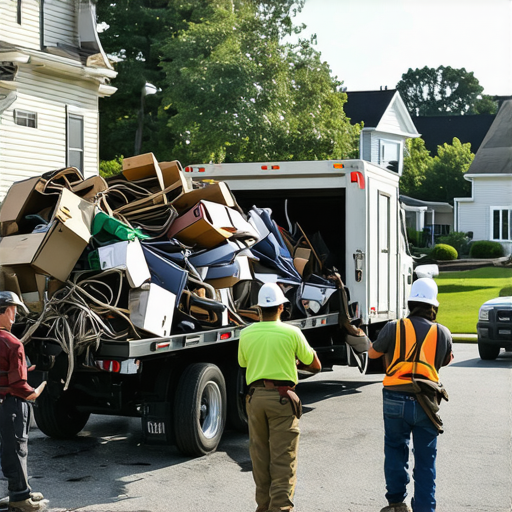

Aurora Hoarder Clean Out: A Practical Guide for 2026
I once cleared a house where the junk wasn’t just ‘stuff.’ It was a structural hazard. We found the floor joists were bowing under the weight of 40 years of newspapers that had absorbed ten years of basement humidity. The air was thick with the scent of mold and hydraulic fluid. We had to shore up the basement with temporary jacks before we could even begin the removal process. Every step was a risk. This is the reality of waste management at the extreme end. When you deal with a hoarder clean out aurora project, you are not just moving boxes. You are managing a logistical and environmental hazard that requires specialized knowledge of weight distribution and material toxicity.
The unseen weight of forgotten paper
Hoarder clean out aurora projects in 2026 involve managing extreme volumetric density where decades of accumulated materials exert thousands of pounds of pressure on residential structures. A single stack of newsprint three feet high weighs approximately 100 pounds. Multiply that by a room filled to the ceiling, and you have a dead load that exceeds the architectural limits of most Kane County homes. The physics of paper are unforgiving. As it absorbs ambient moisture from the Illinois humidity, the cellulose fibers expand, making the mass even heavier and more prone to structural collapse. Professional crews must evaluate the floor load before entry to prevent catastrophic joist failure. This is not about cleaning. This is about structural stabilization and the systematic reduction of mass through calculated extraction points. We often use 15-yard dumpsters because they allow for better weight distribution than the massive 40-yard containers that can crack a driveway under the sheer weight of saturated paper and debris.
“Waste is merely a resource in the wrong place; professional removal is the science of putting it back where it belongs.” – Disposal Industry Maxim
The math of the cubic yard
Junk removal aurora operations rely on calculating the precise volumetric density of a load to maximize truck space and minimize tipping fees at local landfills. When we talk about “cubing out” a truck, we are referring to the Three-Dimensional Tetris required to eliminate air pockets. Air is the enemy of profit and efficiency. A 15-yard truck has a specific footprint. If you toss furniture in haphazardly, you are paying to haul Aurora air. If you dismantle that furniture, you increase the density. Modern junk removal in 2026 uses 3D scanning to estimate load volume before the first item is lifted. This ensures that the quote you receive is based on the actual space occupied in the vehicle. Weight also plays a factor. A truck full of concrete will hit its GVWR (Gross Vehicle Weight Rating) long before it is physically full. Understanding the balance between volume and weight is what separates the veterans from the curbside amateurs. This is especially vital when dealing with furniture removal where heavy oak or cherry wood can weigh hundreds of pounds per piece.
| Disposal Method | Average Cost per Ton | Efficiency Rating | Labor Intensity |
|---|---|---|---|
| Dumpster Rentals Aurora | $450 – $650 | High (DIY) | Extreme |
| Full Junk Removal Aurora | $650 – $950 | Moderate | Low |
| Municipal Pick-up | $50 – $150 | Low | High |
The hazardous chemistry of the garage
Garage clean outs often reveal a chemical cocktail of volatile organic compounds, lead-acid batteries, and pressurized cylinders that require strict adherence to RCRA standards. People treat garages as the final frontier for items they do not know how to discard. We find old cans of lead-based paint, leaking pool chemicals, and pesticide containers from the 1990s. These are not just trash. They are hazardous materials that can cause chemical fires when compressed in the back of a garbage truck. If you hide a half-full propane tank inside a pile of yard waste, you are creating a bomb. In Aurora, the proximity to the Fox River means that any chemical leak during a garage clean out can have immediate environmental consequences. We track every hazardous item from the moment it leaves your property until it reaches a certified processing center. This protects you from the legal liability of your waste being found in an unauthorized dump site.
Items Your Hauler Cannot Legally Touch
- Pressurized gas cylinders and propane tanks
- Sealed containers of unidentified liquid chemicals
- Loose or friable asbestos insulation materials
- Lead-acid batteries with visible casing leaks
- Biohazardous waste or medical sharps
Why your stairs might collapse
Appliance removal requires an understanding of mechanical leverage and structural load limits to safely navigate heavy units through residential corridors without causing damage. Removing an old cast iron radiator or a 1970s refrigerator is a lesson in physics. These items often weigh over 300 pounds. When two men carry that weight down a flight of stairs, the momentary force on each step can exceed 600 pounds. If the wood is aged or has suffered from dry rot, the stairs can fail. We use heavy-duty appliance dollies with stair-climbing treads to distribute the weight across multiple points. Furthermore, appliance removal in 2026 must account for refrigerant recovery. It is a federal offense to vent Freon into the atmosphere. Every refrigerator we haul in Aurora is checked for its cooling agent, which is then drained by certified technicians before the metal is scrapped. This prevents the release of ozone-depleting substances into the Kane County air.
“The Resource Conservation and Recovery Act requires that all hazardous waste be tracked from cradle to grave.” – EPA Regulatory Summary
The Aurora transfer station gauntlet
Dumpster rentals aurora services are dictated by the strict tipping regulations at local facilities like the Orchard Hills Landfill or the Aurora Transfer Station. When you rent a dumpster, you are responsible for what goes inside. If the load is contaminated with electronics or tires, the landfill will reject the entire 20-yard container. This results in “dry run” fees and decontamination surcharges that can double your costs. In Aurora, the municipal code is very specific about e-waste. You cannot put a television in a dumpster. It contains lead and mercury that must be recycled separately. We advise clients to separate their piles before the dumpster arrives. Put the heavy construction debris like drywall and 2x4s in the bottom. Put the lighter household items on top. Never fill a dumpster past the “Max Fill” line. If the load is too high, it becomes a projectile hazard on the highway, and the driver will legally refuse to haul it. Proper loading is about safety, not just convenience.
The heavy cost of keeping everything
Junk removal is the final stage of a psychological and physical process that restores the utility of a living space by removing non-functional mass. Many people hold onto items because they see potential value. They see an old dresser as a project. I see it as 80 pounds of flammable fiberboard that is taking up $200 worth of square footage. In 2026, the cost of living in Aurora makes every square foot of your home valuable. If your garage is filled with junk removal aurora targets, you are essentially paying a mortgage on a storage unit for trash. There is a contrarian reality to recycling. While many believe every plastic bottle must be saved, the carbon footprint of hauling low-grade plastics 500 miles often exceeds the impact of local, high-efficiency waste-to-energy incineration. We focus on high-impact recovery. We salvage metals, clean wood, and functional appliances. The rest is processed to minimize its volume in the landfill. Efficiency is the only way to manage the rising tide of consumer waste.
This article really highlights the complexity of hoarder clean outs, especially in places like Aurora where structural safety is critical. I’ve encountered similar situations where loads of old newspapers or saturated paper caused significant structural concerns. It’s interesting how modern technology like 3D scanning is changing the game, making estimates more accurate and preventing costly mistakes. I wonder, with such precise calculations, how do companies plan for unpredictable hazards like hidden chemicals or compromised structures? In my experience, thorough pre-inspection and collaboration with structural engineers can make a big difference. Has anyone found effective ways to identify hidden hazards early in the removal process? Additionally, I think the environmental aspect is often overlooked — ensuring hazardous waste is properly tracked and processed is crucial for community safety. It’s a complex balance of safety, efficiency, and environmental responsibility that really underscores the importance of working with experienced professionals in these situations.