Aurora Commercial Junk Disposal: 2026 Restaurant Gear Removal
The logistics of heavy waste management are unforgiving. I smell the sharp tang of hydraulic fluid and the stale scent of old fryer grease every morning. For twenty-five years, I have watched the commercial landscape shift, but the physics of a 15-yard truck remain the same. If you do not understand the density of a commercial kitchen cleanout, you are bound to lose money on tipping fees and labor hours. This guide breaks down the absolute reality of restaurant disposal in the current regulatory environment.
The ghost of the bankrupt bistro
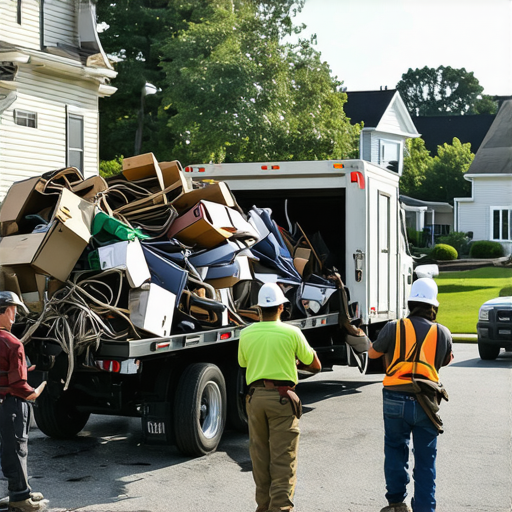
Commercial junk disposal in Aurora requires 15-yard roll-off dumpsters, EPA-certified refrigerant recovery, and heavy-lift equipment. Professional haulers manage the disposal of stainless steel prep tables, industrial fryers, and walk-in coolers while adhering to Illinois waste diversion mandates and regional tipping fee structures. I once saw a business owner try to save 500 dollars by hiring a guy with a pickup truck from a social media ad. Two weeks later, the police called him because his company’s confidential files and old grease traps were found in a ditch near the Fox River. Your junk is your liability until it hits the scale at a licensed transfer station. The weight of your decisions is literally measured in tons. When we clear a commercial space, we aren’t just moving boxes. We are mitigating environmental risks. A single commercial refrigerator contains enough R-22 or R-410A refrigerant to trigger significant EPA fines if vented improperly. We use recovery cylinders and vacuum pumps to ensure the atmospheric integrity of every job site. The logistics are a game of inches. We cube out a truck based on the square footage of the floor and the height of the ceiling. If there is air in that truck, I am losing money. You are losing money.
The math of the 15-yard truck
Volumetric pricing for junk removal Aurora depends on the cubic yardage, material density, and labor-intensive furniture removal. Calculating the load weight of restaurant gear involves measuring stainless steel thickness and compressor weight to ensure the gross vehicle weight rating is never exceeded during Aurora junk disposal tasks.
“Waste is merely a resource in the wrong place; professional removal is the science of putting it back where it belongs.” – Disposal Industry Maxim
Every 15-yard bin has a payload capacity. When we load industrial stoves, we are dealing with cast iron and high-carbon steel. A standard six-burner range weighs roughly 450 pounds. If you stack four of those, you have nearly a ton of localized pressure on the truck bed. We use dunnage to distribute that weight. We treat every load like a Tetris puzzle. We slide the flat sheets of stainless steel prep tables against the walls. We place the heavy compressors over the axles. We fill the voids with smaller items like kitchen utensils or broken plastic bins. The goal is 100 percent density. Anything less is a failure of logistics. I have seen rookies leave gaps the size of a microwave. That is wasted fuel. That is a wasted trip to the transfer station.
Hazardous fluids in the commercial kitchen
Hazardous waste disposal in commercial kitchens focuses on grease trap residues, spent cleaning chemicals, and refrigerant gases. Aurora appliance removal services must verify the extraction of CFCs and HCFCs before scrap metal recycling occurs at certified Illinois waste facilities to avoid environmental contamination and legal penalties.
“The Resource Conservation and Recovery Act (RCRA) requires that any business generating hazardous waste must track its journey from cradle to grave, ensuring no illegal dumping occurs.” – SWANA Regulatory Handbook
We do not just lift. We inspect. I watched a rookie almost lose his eyebrows because a customer hid a half-full propane tank inside a pile of ‘harmless’ yard waste. In a restaurant, the hazards are different. We look for old caustic oven cleaners that have leaked through their plastic jugs. We check for the presence of mercury in old thermostats. We manage the removal of lead-acid batteries from emergency exit lighting. These items cannot go into a general landfill. They require a separate manifest. If your hauler does not ask you about hazardous materials, they are either incompetent or they are planning to dump your trash in a field. Neither is a good look for your brand.
The heavy weight of stainless steel
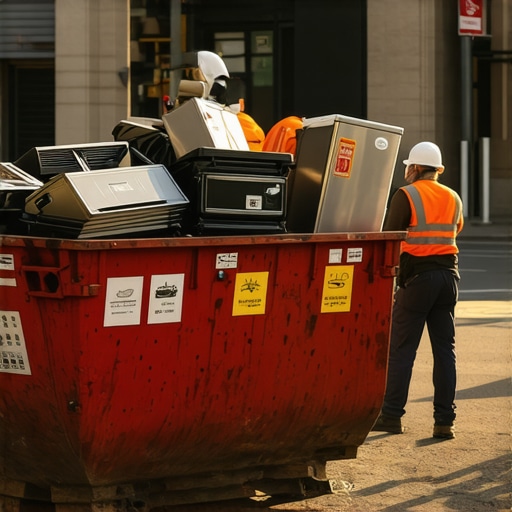
Recycling restaurant equipment involves the separation of ferrous and non-ferrous metals, grade 304 stainless steel recovery, and aluminum component sorting. Local Aurora scrap metal rates influence the cost of junk removal, as high-value metals can offset tipping fees at the Aurora transfer station during commercial cleanouts. [IMAGE_PLACEHOLDER] Most people think recycling is always better for the environment. However, the carbon footprint of hauling low-grade plastics 500 miles often exceeds the impact of local, high-efficiency waste-to-energy incineration. With steel, it is a different story. Stainless steel is a gold mine. We strip the insulation and the plastic gaskets. We get down to the raw metal. This reduces the volume of the landfill-bound waste and provides a small credit back to the operation. But you have to know the grades. If you mix 304 and 430 stainless, the yard will pay you the lowest common denominator price. Precision matters. We use magnets to test for nickel content on the fly. We are not just haulers. We are commodity brokers for your trash.
| Material Type | Decomposition Time | Disposal Priority | Density (Lbs/CuYd) |
|---|---|---|---|
| Stainless Steel | 100+ Years | High Recycling | 490 |
| Commercial Wood Crating | 10-15 Years | Waste-to-Energy | 250 |
| Industrial Plastics | 450+ Years | Landfill/Recycling | 150 |
| Food Residuals | 6 Months | Composting | 1,000 |
Legal traps for the unwary business owner
Commercial liability for illegal dumping remains with the waste generator until the certified disposal receipt is issued by the landfill operator. Aurora commercial junk disposal contracts must include indemnification clauses and proof of insurance to protect restaurant owners from vicarious liability associated with unlicensed hauling services. The city of Aurora has strict rules. The narrow alleys behind some of our older downtown buildings mean a 20-yard dumpster is a permit nightmare. You need a live-load truck and a crew that can move fast. If you block an alley for more than thirty minutes, the city is handing out tickets. We time our arrivals for 5 AM to beat the traffic and the inspectors. We use 14-foot box trucks with lift gates for these tight spots. It is about the right tool for the specific urban geography.
Items Your Hauler Cannot Legally Touch
- Pressurized gas cylinders and propane tanks.
- Open containers of industrial-grade solvent or paint.
- Lead-acid batteries and lithium-ion power packs.
- Biohazardous materials or medical waste from first-aid kits.
- Radioactive smoke detectors and exit signs.
- Unidentified chemical drums or leaking containers.
The Aurora transfer station reality
Waste management in Aurora utilizes local transfer stations like the Orchard Hills Landfill and regional processing centers for bulk item disposal. Effective furniture removal and hoarder clean out Aurora services rely on proximity to disposal sites to minimize transportation overhead and maintain competitive junk removal pricing. The floor snapped last week under a heavy refrigerator. It was a reminder that we are working in aging structures. We have to map out the path to the door. We check the joists. We protect the thresholds with plywood. It is a surgical operation. We aren’t just ‘junk men.’ We are logistics professionals who understand the weight of every pound we carry. Your restaurant deserves a clean break. Your reputation depends on how you handle the exit. We make sure that exit is clean, legal, and efficient. No shortcuts. No illegal ditches. Just physics and hard work.