The phantom cost of cheap labor
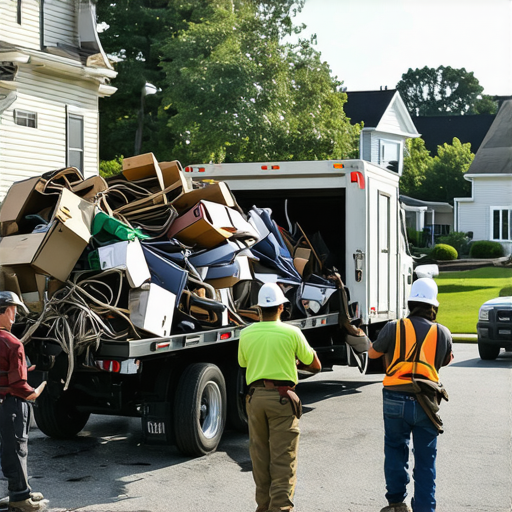
Commercial junk disposal in Aurora requires property managers to prioritize liability over low-cost bids to avoid legal entanglements and environmental fines. Professional waste management involves strict adherence to the Resource Conservation and Recovery Act and local municipal codes. Selecting a certified hauler ensures that discarded materials reach authorized transfer stations rather than illegal ditches. A business owner tried to save €500 by hiring a guy with a pickup truck from a social media ad. Two weeks later, the police called him because his company’s confidential files were found in a ditch. Your junk is your liability until it hits the scale. This reality dictates every decision in the logistics chain. The smell of diesel and hydraulic fluid is the scent of a job done correctly. If your hauler lacks a DOT number or a waste manifest, you are not saving money. You are gambling with your corporate reputation. The physics of waste management is simple. Mass times distance equals cost. When someone offers a price that defies this math, they are cutting corners. Those corners usually involve your brand being associated with illegal dumping near local waterways or abandoned lots. In 2026, the regulatory pressure on property managers has reached a fever pitch. Digital tracking of waste streams means you can no longer plead ignorance when a load of tires or electronics vanishes into the night. It is about the chain of custody. It is about the weight ticket from the landfill. It is about sleeping at night knowing the EPA will not be knocking on your door because of a rogue contractor.
The math behind volumetric tetris
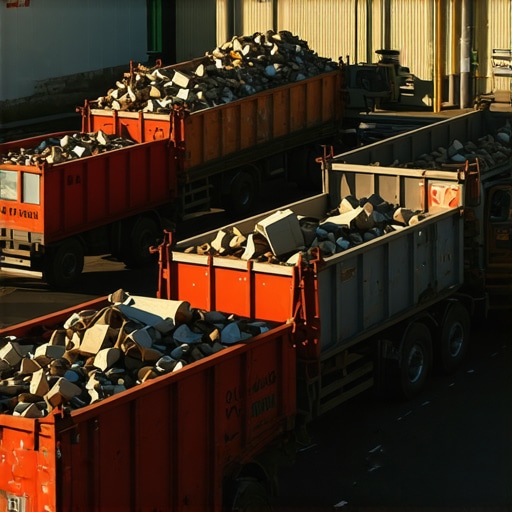
Effective Junk Removal Aurora depends on maximizing truck capacity through high-density packing and strategic weight distribution to minimize the number of trips to the landfill. Every cubic inch of air in a truck bed represents lost revenue and wasted fuel. A veteran loader sees a pile of debris as a puzzle. Heavy items like concrete or brick must sit over the axles to maintain vehicle stability. Lightweight items like cardboard or insulation fill the gaps. The goal is to cube out the truck. This means the volume is exhausted at the exact moment the weight limit is reached. A 15-yard dumpster has a finite capacity. If you throw items in haphazardly, you pay for air. If you break down the furniture and stack the debris flat, you increase the density. This is the difference between three truckloads and five. In the Aurora market, tipping fees are calculated by the ton. If your load is mostly air, you are paying a premium for transportation without moving much material. Professional crews use 3000 PSI hydraulic rams in packer trucks to crush the volume. This increases the BTU potential for waste-to-energy facilities. It also reduces the carbon footprint per ton of waste hauled. We calculate the load limit of every residential stairwell and commercial elevator. A standard office desk might weigh 150 pounds, but it occupies 40 cubic feet. By removing the legs and panels, we reduce that volume to 10 cubic feet. That is a 75 percent increase in efficiency. This is how high-level logistics managers operate. We do not just lift objects. We solve spatial equations under pressure.
“Waste is merely a resource in the wrong place; professional removal is the science of putting it back where it belongs.” – Disposal Industry Maxim
The structural reality of hoarder cleanouts
A Hoarder Clean Out aurora project is a high-risk recovery operation that requires structural assessment, biohazard protocols, and meticulous sorting to ensure site safety and material salvage. The weight of accumulated materials can exceed the load-bearing capacity of residential floor joists. Forty years of newspapers can absorb enough ambient humidity to double in weight. I once cleared a house where the junk was a structural hazard. We found the floor joists were bowing under the weight of saturated paper. The air quality in these environments often contains mold spores and dust mites. Full PPE is a requirement, not a choice. We use HEPA filtration units to scrub the air while we work. The process is a slow, methodical extraction. We look for the backdoor logistics. How can we move 20 tons of debris without damaging the drywall? We use plywood runners to protect the floors. We use high-capacity winches for the heavy items. It is a data overflow error in physical space. Every item must be categorized. Is it a recyclable metal? Is it a hazardous chemical? Is it a salvageable antique? The sheer volume of material can mask structural rot. We have seen floors give way under the weight of a single heavy appliance when the subfloor was compromised by decades of neglect. This is why you do not hire a casual laborer for this task. You need a team that understands the physics of a collapsing pile. You need people who know how to vent a room without spreading contaminants to the neighbors. It is a forensic autopsy of a lifestyle. It requires patience and a strong stomach. It requires the right equipment for a 40-yard haul.
| Material Type | Decomposition Time (Years) | Recovery Rate (%) | Average Weight per Cubic Yard (Lbs) |
|---|---|---|---|
| Corrugated Cardboard | 1 | 92 | 100 |
| Mixed Construction Debris | 50 | 45 | 450 |
| Untreated Wood Waste | 15 | 85 | 300 |
| Consumer Electronics | 1000+ | 15 | 250 |
| Standard Household Trash | 25 | 10 | 200 |
The heavy truth about furniture disposal
Furniture Removal involves more than just lifting because modern pieces often contain composite materials and adhesives that require specific disposal methods at specialized transfer stations. Older furniture was solid wood and joinery. Modern pieces are often particle board held together by formaldehyde resins. When this stuff breaks, it is useless. It cannot be refinished. It is just bulk waste. We see it every day. Cheap sofas that lose their structural integrity after two years. They end up in the landfill where the treated fabrics leach chemicals into the soil. We prefer to divert high-quality wood to local craftspeople. We strip the metal frames from the chairs. The steel is a valuable commodity. We calculate the labor cost of disassembly versus the market value of the scrap. If the numbers do not align, the item goes to the waste-to-energy plant. We are irritated by wasted air space. A dresser is just a wooden box full of air. We pull the drawers out. We fill the drawers with smaller debris. We put the drawers back in. Now the dresser is a shipping container. This is the Tetris mindset. In Aurora, the logistics of furniture removal are complicated by narrow staircases and tight parking. A 20-yard truck cannot fit in every alley. We use 14-foot box trucks for the urban core. They have a tighter turning radius. They allow us to load and clear the scene before the traffic builds up. We treat every sofa like a tactical objective. We plan the route through the building. We clear the obstacles. We move with precision. The floor must remain scratch-free. The walls must remain un-scuffed. This is the hallmark of a veteran crew.
Hazardous surprises in the waste stream
Appliance removal and garage clean outs frequently uncover hidden hazardous materials that must be separated from the general waste stream to prevent environmental contamination and landfill fires. Lithium batteries are a significant threat. They ignite under the pressure of a trash compactor. We have seen entire trucks lost to battery fires. We do not just lift; we inspect. Every. Single. Item. We look for the tell-tale signs of old chemicals. Lead-acid batteries from cars. Propane tanks hidden in yard waste. These are the items that curbside cowboys ignore. I watched a rookie almost lose his eyebrows because a customer hid a half-full propane tank inside a pile of yard waste. We use specialized containers for these materials. We transport them to the local household hazardous waste facility. The EPA has strict guidelines on the disposal of refrigerants like Freon. Every refrigerator must have the gas reclaimed by a certified technician. We provide the documentation. We ensure the heavy metals from the compressors are recycled. In a typical garage, we find 30-year-old cans of oil-based paint. This cannot go in the regular trash. It is a liquid. Liquids are banned from most landfills. We solidify the paint with sawdust or cat litter before disposal. Or we take it to a paint recycling center. The logic is environmental protection. We do not want these chemicals in the groundwater. The Aurora aquifer is a precious resource. We take our role as the gatekeepers of the landfill seriously. If it is toxic, it does not go in the truck. Not without a plan. Not without the right permits. This is the professional standard. Anything less is negligence.
- Refrigerants and Freon-based cooling units
- Wet-cell batteries and large lithium-ion packs
- Pressurized cylinders and old fire extinguishers
- Industrial solvents and oil-based paint products
- Biohazardous materials and medical sharps
- Asbestos-containing materials from old renovations
Dumpster rentals versus full service hauling
Dumpster Rentals Aurora provide a stationary solution for long-term projects while full-service junk removal offers immediate labor and specialized transport for rapid property turnovers. A dumpster is a liability on your driveway. It can damage the asphalt if the weight is not distributed. It can become a target for illegal dumping by neighbors. You wake up and find someone else’s old water heater in your bin. You pay the weight fee for their trash. Full-service hauling eliminates this risk. We arrive. We load. We vanish. The site is clean within hours. For property managers, speed is the key metric. Every day a unit is full of junk is a day it is not earning rent. We provide a 24-hour turnaround. We understand the tipping fee schedules. We know which transfer stations are backed up on a Tuesday morning. We adjust our routes to save time. A dumpster is a passive tool. A hauling crew is an active solution. We bring the tools to disassemble the oversized items. We bring the dollies to protect the floors. We provide the labor that saves your back. The cost of a back injury far exceeds the price of a professional crew. We look at the BTU potential of the load. We look at the diversion rate. We provide a manifest that proves you handled the waste responsibly. This is essential for LEED certification and corporate social responsibility reports. In 2026, the data is just as important as the debris. You need a partner who can provide both. You need someone who knows the difference between a 10-yard bin and a 40-yard roll-off by the sound of the metal hitting the ground. You need a veteran.
“The Resource Conservation and Recovery Act (RCRA) gives EPA the authority to control hazardous waste from the cradle to the grave.” – Environmental Protection Agency Safety Standards
The heavy cost of keeping everything
The accumulation of low-value assets in commercial spaces creates an invisible tax on operations by consuming square footage and increasing insurance premiums for fire hazards. A warehouse full of old pallets and broken office chairs is a waste of capital. That space could be used for inventory. It could be used for new employees. Instead, it collects dust and spiders. We help managers reclaim their footprint. We look at the density of the storage. We see the wasted vertical space. We see the fire risks. A pile of old tires is a tinderbox. A stack of old monitors is a toxic leak waiting to happen. We clear the path. We make the space functional again. The transformation is psychological as well as physical. A clean space leads to a clean mind. It leads to more efficient workflows. We use the language of diversion rates. How much of this can we keep out of the landfill? We aim for 75 percent. We achieve this by sorting on-site. Metal to the scrap yard. Wood to the chipper. Cardboard to the pulper. Only the true trash goes to the pit. This is how we keep Aurora clean. This is how we protect the local economy. We are the janitors of the industrial age. We deal with the things no one else wants to see. We do it with precision. We do it with a focus on the logistical Tetris that keeps our trucks full and our clients happy. The noise of the engine and the smell of the grease are the markers of a city that is moving forward. We are the ones who clear the way. We are the heavy-load specialists. We are the masters of the disposal engine.