The invisible danger of the cooling coil
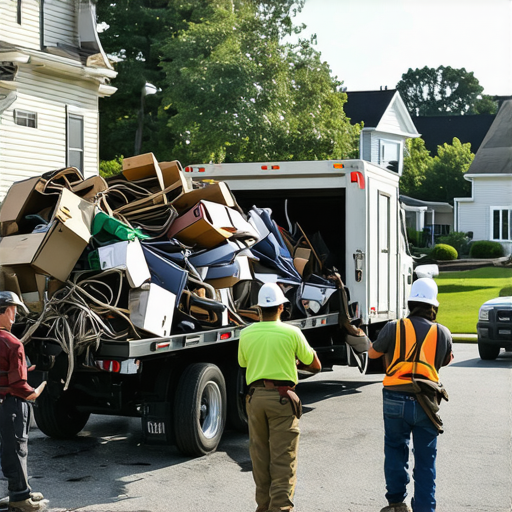
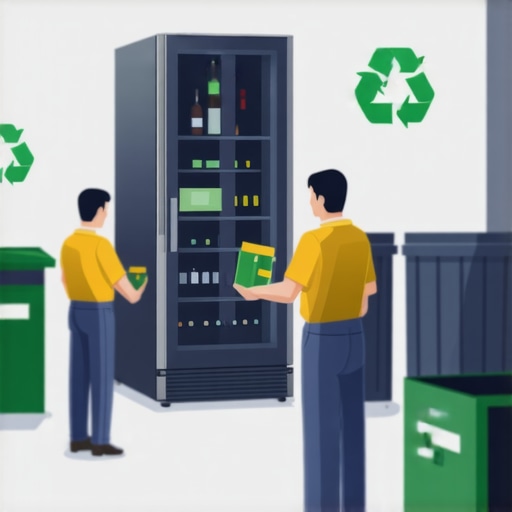
Professional wine fridge disposal requires certified refrigerant recovery to prevent environmental contamination and comply with Aurora municipal waste regulations. Proper Junk Removal Aurora services ensure that appliances containing R134a or R600a gases are handled according to EPA Section 608 standards. Attempting to transport these units without securing the compressor can lead to hazardous leaks in residential driveways. I watched a rookie almost lose his eyebrows because a customer hid a half-full propane tank inside a pile of harmless yard waste. We don’t just lift. We inspect. Every. Single. Item. This level of scrutiny is mandatory for appliance removal because the risks are often invisible to the untrained eye. When we arrive for a Garage Clean outs project, the wine fridge is often the heaviest, most volatile object in the room. It is not just a metal box. It is a pressurized vessel filled with chemical refrigerants and high-density polyurethane foam insulation that requires specialized recycling protocols at local transfer stations like the Denver Arapahoe Disposal Site. The physics of moving a 150-pound cooler down a flight of stairs requires more than muscle. It requires an understanding of structural load limits and center-of-gravity management. If you tilt a wine fridge more than forty-five degrees, the compressor oil can migrate into the cooling lines, making the unit a fire hazard if it is ever plugged in again. This is why professional Junk Removal is about logistics, not just hauling.
“Waste is merely a resource in the wrong place; professional removal is the science of putting it back where it belongs.” – Disposal Industry Maxim
Why your wine cooler is a hazardous waste ticking clock
The average wine fridge contains several ounces of refrigerant that, if released, has a global warming potential thousands of times higher than carbon dioxide. In the dry climate of Aurora, the degradation of rubber seals happens faster than in humid regions. This means an old unit sitting in a hot garage during a Hoarder Clean Out aurora is likely leaking small amounts of gas already. We track diversion rates for every load. We look at the cubic-yard density of the truck. If a wine fridge is buried under Furniture Removal items, the risk of a puncture increases. We use the tetris method. The heaviest items, the appliances, go at the bottom against the bulkhead. We secure them with heavy-duty ratchets. We never leave air space. Air space is wasted money and shifting cargo. A shifting cargo in a 15-yard truck on a steep Aurora incline is a recipe for a hydraulic failure or a tipped load. We see curbside cowboys trying to haul these units in the back of an open pickup truck. They do not have the manifests. They do not have the recovery tanks. They are the reason our local creek beds end up with rusted compressors leaching oil into the water table. Your junk is your liability until it hits the scale at the transfer station and you have the receipt to prove it.
| Disposal Method | Volume Capacity | Weight Limit | Best Use Case |
|---|---|---|---|
| Junk Removal Truck | 14-16 Cubic Yards | 2 Tons | Appliance and Furniture Removal |
| Roll-off Dumpster | 20-40 Cubic Yards | 4-6 Tons | Major Hoarder Clean Out |
| Bag-style Pickup | 3 Cubic Yards | 3300 Lbs | Small Garage Clean outs |
The heavy cost of keeping everything
Hoarding is not just a collection of items. It is a structural hazard. When we perform a Hoarder Clean Out aurora, we often find that the floor joists are bowing under the weight of decades of accumulated material. A single wine fridge adds 150 pounds of static load to a small footprint. Multiply that by twenty years of magazines and broken furniture, and you have a recipe for floor failure. In Aurora, many basements suffer from moisture issues. When newspapers absorb that humidity, they double in weight. They become a dense, moldy mass that requires a Dumpster Rentals Aurora solution just to manage the sheer tonnage. We calculate the BTU potential of the wood waste we recover. We look at the scrap value of the copper coils in the wine fridge. Every piece of junk has a destination. Some goes to the waste-to-energy plant. Some goes to the scrap yard. The goal is 100 percent diversion, though the reality is usually closer to 80 percent due to contaminated materials. If you have a wine fridge that is still functional, we don’t dump it. We find a second life for it. But if the compressor is shot, it goes to the specialized recycler who can safely evacuate the gas. This is the backdoor logistics of the waste industry. It is not glamorous. It smells like diesel and hydraulic fluid. But it is what keeps the city clean and the legal liabilities off your doorstep.
“Solid waste management is the silent backbone of public health and environmental protection.” – SWANA Industry Manifesto
Items your hauler cannot legally touch
Before you book your Appliance removal, you must understand the legal boundaries of haulage. We are not a hazmat team, though we deal with hazards daily. There are specific items that the Resource Conservation and Recovery Act prohibits us from transporting without specialized permits.
- Unsealed Lead Acid Batteries from backup power units
- Residential Mercury Thermostats found in old wine coolers
- Open Containers of Solvent or Oil-based Paints
- Bio-Medical Waste or Sharps
- Pressurized Gas Canisters that are not empty and valved
While most people think recycling is always better, the carbon footprint of hauling low-grade plastics 500 miles often exceeds the impact of local, high-efficiency waste-to-energy incineration. This is the contrarian truth of the industry. Sometimes, the most eco-friendly thing you can do with a piece of junk is to burn it in a controlled, high-temp facility that captures the energy. In the Denver metro area, we have access to facilities that turn your old sofa and your broken wine fridge shelving into electricity for the local grid. This is far better than letting it sit in a landfill for 400 years while it slowly off-gasses methane. We optimize every route. We minimize the idle time of our trucks. We maximize the density of every load. This is the science of waste. It is about the cubic yard. It is about the tipping fee. It is about ensuring that when we pull away from your curb in Aurora, the problem is solved permanently. No fines. No police calls. No environmental damage. Just a clean space and a managed liability. The floor snapped. That is what happens when you wait too long to clear the load. Don’t wait for the floor to snap.