The dangerous reality of the hidden roof hazard
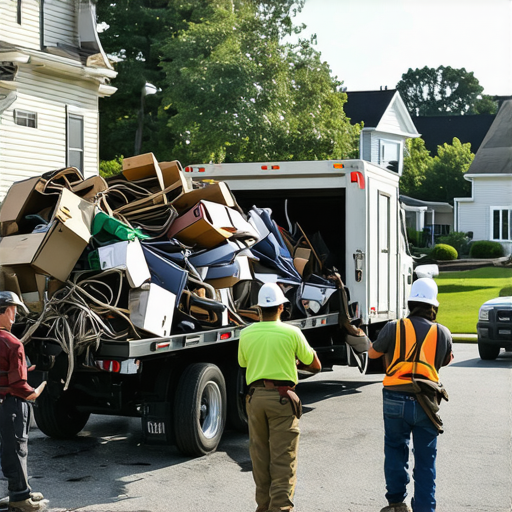
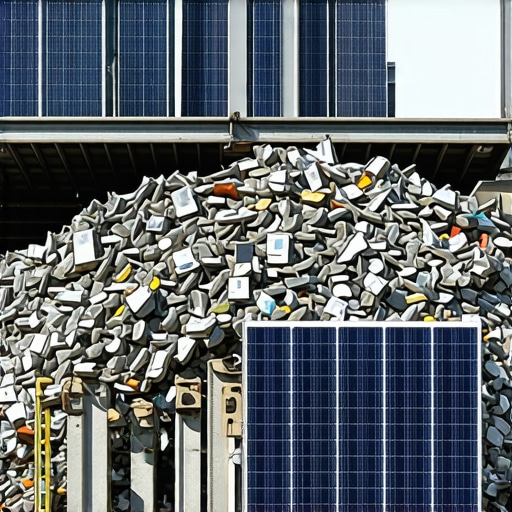
Solar panel disposal in Aurora requires professional hazardous waste handling due to heavy metals like lead and cadmium found in photovoltaic cells. These components are not standard household junk. They are complex electronic waste systems that require specialized extraction processes to prevent environmental contamination at the Denver Arapahoe Disposal Site or other local landfills. I watched a rookie almost lose his eyebrows because a customer hid a half-full propane tank inside a pile of harmless yard waste. We do not just lift. We inspect. Every. Single. Item. This rule applies doubly to solar panels. If you smash a panel during a DIY removal, you are releasing toxic dust into your driveway. That dust contains silicon, silver, and gallium. Your lungs are not designed to filter those materials. Your garage clean out might seem like a simple weekend project, but when you add decommissioned solar tech or old refrigerators to the mix, you are dealing with regulated substances. Logistics matter. Density matters. Safety is the only metric that determines if a job was successful.
The hidden chemistry of your roof
Photovoltaic panels are composed of glass, aluminum frames, and silicon cells that contain hazardous trace elements which leach into groundwater if crushed. Most homeowners in Aurora view their old solar array as just more glass and metal. It is far more sinister. The backing sheets often contain polyvinyl fluoride. The solder used to connect cells contains lead. When these panels reach the end of their twenty-year lifespan, they become a liability. You cannot simply toss them into a dumpster rental in Aurora. Local regulations are tightening as the first generation of residential solar reaches obsolescence. We analyze the load before we even touch a wrench. We look for cracked glass. We check for compromised wiring. A single short circuit in a stored panel can spark a fire in the back of a haul truck. The air smells like hot asphalt and ozone when a panel is failing. We manage that risk through containment. We treat every panel as a potential chemical spill. Professional junk removal means understanding the atomic structure of what you are hauling. It is not just about brawn. It is about chemistry.
“Waste is merely a resource in the wrong place; professional removal is the science of putting it back where it belongs.” – Disposal Industry Maxim
Why Aurora residents face a disposal wall
Landfill bans in Colorado prohibit the disposal of certain electronic components, forcing residents to seek certified e-waste recyclers for solar panels and appliances. The state of Colorado has strict rules regarding what can enter our soil. Most local transfer stations will turn you away if they see solar glass in your trailer. This is why specialized junk removal Aurora services are growing. We have the manifests. We have the downstream partners who can actually strip the silver from the silicon wafers. If you hire a guy with a pickup truck, he might dump your panels in a ditch off Tower Road. That is a legal time bomb. Your name is on those panels. Your liability does not end when the truck pulls away. It ends when the recycling certificate is signed. We track every cubic yard. We know where the aluminum goes. We know where the hazardous glass goes. The system works only if the chain of custody is unbroken. Curbside cowboys break that chain. We forge it.
| Material Type | Decomposition Time | Disposal Method |
|---|---|---|
| Aluminum Frames | 200 Years | Infinite Recycling |
| Solar Glass | 1 Million Years | Specialized Crushing |
| Silicon Cells | Unknown | Chemical Extraction |
| Old Furniture | 50 Years | Landfill or Donation |
| Lead-Acid Batteries | Never | Hazardous Waste Facility |
The structural burden of a hoarder clean out
A hoarder clean out in Aurora involves managing extreme weight loads that can compromise the floor joists of a residential structure. Junk is heavy. It is not just the volume. It is the density. I once cleared a house where the junk was not just stuff. It was a structural hazard. We found the floor joists were bowing under the weight of 40 years of newspapers that had absorbed ten years of basement humidity. This is the reality of heavy load hauling. You have to understand the physics of the building. We start from the top and work down. We calculate the path of egress. We clear the hallways first to ensure a rapid exit if the floor starts to groan. Hoarding is a data overflow error in physical space. Every item is a bit of corrupted data. We are the system restore. We do not just toss things. We categorize. We find the valuables buried under the trash. We find the lithium batteries hidden in the paper piles. We prevent the fires that kill crews and homeowners alike. The work is grueling. The reward is a safe structure.
Furniture removal and the collapse of quality
Modern furniture removal highlights the transition from solid wood construction to low-density particle board that degrades rapidly in storage. I hate modern disposable furniture. It breaks if you look at it wrong. It is mostly glue and sawdust. When we perform furniture removal in Aurora, we see the difference. An old oak dresser from the 1940s is a logistical dream. It is heavy, but it is solid. You can strap it down. You can stack on top of it. A modern flat-pack desk is a nightmare. It shatters. It creates splinters. It takes up too much air space in the truck because it cannot be safely stacked. We focus on the tetris of the load. We want zero air gaps. Air gaps are wasted money. If I see air in my truck, I see a failure of planning. We break down the cheap stuff. We preserve the quality stuff for donation. The smell of old wax and wood in a quality clean out is a relief compared to the chemical stench of modern veneers. We handle both, but we respect the wood.
The financial math of dumpster rentals
Dumpster rentals in Aurora are priced by volume and weight limits, requiring careful planning to avoid massive overage fees at the scale house. You think a 20-yard dumpster is enough. It never is. People forget about the fluff factor. You throw in a sofa and suddenly half your space is gone. You are paying to haul Aurora air. We teach people how to load. Heavy items on the bottom. Flat items on the sides. Break down every box. If you are doing a garage clean out, start with the big items. If you fill the bottom with small bags, you have no room for the fridge. Appliance removal requires its own logic. You cannot just bury a freezer. It needs to be accessible for the Freon recovery team. We manage the weight. If you go over the limit, the truck cannot lift the bin. Then you are stuck with a heavy box on your driveway and a bill that keeps growing. We provide the logistics to avoid the scale house surprises. Knowledge is cheaper than tipping fees.
- Lithium-ion batteries of any size
- Propane tanks and pressurized cylinders
- Wet paint and liquid solvents
- Asbestos-containing construction materials
- Medical waste and biohazards
- Unlabeled chemical drums
Navigating the Tower Road scale house
Local disposal in Aurora centers on the Tower Road facilities where strict load inspections ensure no hazardous materials enter the general waste stream. The scale house operators have seen it all. They know when you are hiding tires under a tarp. They know when there is a water heater full of sediment at the back of the trailer. We do not play games at the scale. We declare everything. We separate the metal from the trash. This saves us money and it saves our customers money. The smell of diesel and hydraulic fluid at the transfer station is the smell of a city functioning. Without us, the streets would be lined with old solar panels and broken chairs. We are the filter. We are the ones who ensure that Aurora stays clean and that the hazardous stuff stays out of the dirt. It is a constant battle against the easy way out. The right way is the heavy way. We lift the weight so the city doesn’t have to. Every load is a puzzle. Every truck is a solution. We are the masters of the junk engine.
Appliance removal and the Freon protocol
Federal law mandates the recovery of refrigerants from all appliances before they can be crushed for scrap metal recycling. You cannot just cut the lines on an old fridge. That is a violation of the Clean Air Act. We use specialized recovery equipment. We pull the gas into cylinders. We certify the unit is clean. Only then does it go to the scrap yard. Appliance removal is a technical process. It is not just about moving a heavy box. It is about environmental compliance. We see the oil leaks. We see the rusted coils. We handle the units with care to prevent leaks on your driveway. A Freon leak smells like a chemical sweet rot. It is the smell of a fine. We avoid fines by following the protocol. We keep the manifests. We keep the records. This is how professional junk removal Aurora operates. We are the experts because we know the rules that the curbside cowboys ignore. Your old freezer is a resource, but only if it is handled with the precision of a surgeon. We have the tools and the experience to do it right every time.
Reading this post really opened my eyes about the complexity involved in solar panel disposal. I used to think it was just a matter of taking them to the landfill once they stopped working, but now I understand the environmental and legal risks interconnected with improper disposal. It’s reassuring to know that Aurora has specialized services that track and manage the chain of custody for hazardous materials. It made me wonder, though, how accessible are these certified e-waste recycling options for the average homeowner? Sometimes, dealing with a large, outdated system can feel overwhelming, especially with all the regulations. Have others found it difficult to find responsible local recyclers, or is this process more straightforward than it sounds? I believe that increased awareness and easier access to proper disposal options could significantly reduce illegal dumping, which is obviously harmful to our environment. Would love to hear more about best practices or personal experiences with responsibly disposing of solar panels in Aurora.
This post really highlights how complex and regulated solar panel disposal has become in Aurora. It’s fascinating to see how much chemical and material knowledge goes into handling these panels safely. I remember when my parents replaced their old solar system, they weren’t even aware of how important it was to choose a certified recycler. We had to do a lot of research to ensure proper handling of hazardous materials like lead and cadmium. It makes me wonder how accessible these qualified disposal services are for everyday homeowners. Do you think the increased regulations might make responsible recyclers more expensive or harder to find? I believe raising public awareness about this process could encourage more people to opt for professional disposal rather than risking illegal dumping. Have any Aurora residents here had firsthand experience with scheduling or navigating proper solar panel recycling? Would be great to hear about local options and best practices.