The dangerous surprise hidden in your utility room
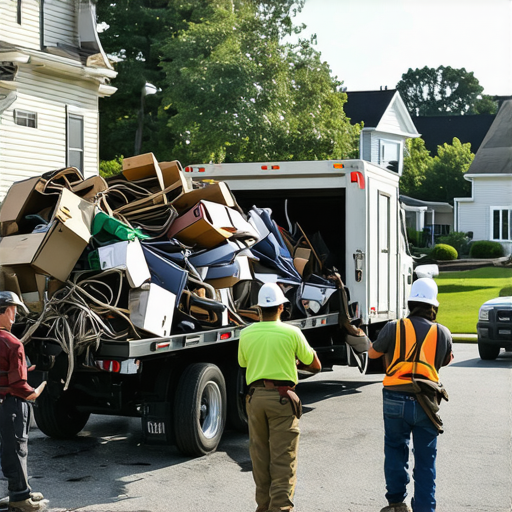
Appliance removal in Aurora requires more than just muscle because it involves navigating complex local disposal regulations and managing heavy machinery. Removing an old clothes dryer involves disconnecting high-voltage electrical lines or volatile gas connections while maneuvering a high-density steel box through narrow residential corridors. I watched a rookie almost lose his eyebrows because a customer hid a half-full propane tank inside a pile of harmless yard waste. We do not just lift. We inspect. Every. Single. Item. That mindset is mandatory when you are dealing with the heavy metal of Aurora households. A dryer might look like a simple white box, but it is a logistical puzzle. It is a mix of galvanized steel, copper wiring, and potentially hazardous lint accumulation that presents a fire risk during transport. My trucks operate on a zero-room-for-error policy. We calculate the cubic yardage before the ramp even drops. If you are in Aurora and think a weekend warrior with a rusty pickup can handle a full hoarder clean out or a garage overhaul, you are courting a liability suit.
The phantom weight of a dead dryer
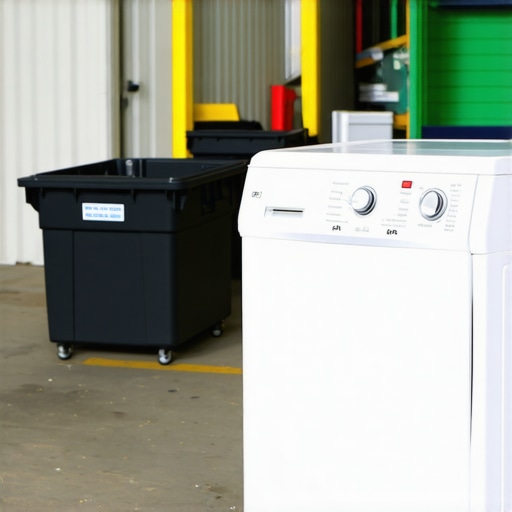
The average clothes dryer weighs between 150 and 200 pounds, but its bulk makes it feel like twice that weight during a basement extraction. Professional junk removal teams must account for the shift in the center of gravity when navigating stairs to prevent structural damage. Modern units are lighter but bulkier. Older units from the 1980s are dense monsters. They were built with heavy gauge steel that does not flex. When we perform appliance removal, we look at the drum. The drum is a hollow cylinder that wastes truck space if not handled correctly. I hate wasted air. My loaders are trained to cubing out the truck, which means every square inch is filled. If a dryer is going to a scrap yard, we might use that internal drum space to pack smaller e-waste or metal scraps. This increases our diversion rate. High diversion rates mean less waste in the Denver Regional Landfill. This is how a professional operation stays profitable while keeping Aurora clean.
Why your basement stairs are a liability
Basement stairs are the primary failure point during heavy appliance removal due to their narrow width and varying riser heights. Professional haulers use specialized heavy-duty dollies with stair-climbing treads to distribute the weight and protect the integrity of the home structure. I have seen stairs in older Aurora homes that were never meant to support a 200-pound machine plus two 200-pound men. The wood groans. The nails pull. We use 4-ply moving blankets and floor runners. This is not about being delicate. This is about physics. If a crew member loses their grip, that dryer becomes a kinetic weapon. It will punch a hole through drywall. It will snap a bannister like a toothpick. We verify the load-bearing capacity of every step.
“Waste is merely a resource in the wrong place; professional removal is the science of putting it back where it belongs.” – Disposal Industry Maxim
The toxic secrets of vintage heating elements
Older clothes dryers contain nichrome heating coils and occasionally asbestos insulation in the cabinet liners which requires specialized handling during the recycling process. Professional junk removal services ensure these materials are diverted to proper processing facilities rather than general landfills. You cannot just toss these into a dumpster rental in Aurora. If the heating element is damaged, it can release metal dust. We check the seals. Older dryers used gaskets that might contain trace amounts of hazardous materials. Then there is the lint. A dryer that has not been cleaned in ten years contains a compressed block of highly flammable fibers. One spark from a metal-on-metal scrape during loading could ignite it. We treat every appliance as a potential fire hazard until it is secured on the truck.
Aurora disposal laws and the fine print
Aurora municipal code and Colorado state law prohibit the disposal of large appliances containing hazardous components in standard residential trash streams. Residents must utilize certified haulers who provide documented disposal at licensed transfer stations or scrap metal recyclers. The city is strict. If you leave a dryer on the curb, you are begging for a fine. The local landfills like the one on Gun Club Road have specific gates for white goods. You cannot just tip a load of furniture removal items and hide a dryer underneath. They will find it. They will charge you a heavy surcharge.
The hidden math of the transfer station
Transfer stations calculate costs based on either weight-based tipping fees or flat-rate per-unit fees for large appliances. Understanding the difference between volume-based pricing and weight-based pricing is essential for managing the costs of a hoarder clean out. My logistics brain is always crunching the numbers. A 15-yard truck costs a certain amount in fuel and labor to move. If that truck is full of light furniture, the weight is low, but the volume is high. If it is full of dryers and washers, the weight is high, but the volume is lower. We have to balance the load. A heavy load wears down the leaf springs. It burns more diesel. We pass that efficiency to the customer.
| Material Type | Decomposition Time | Recyclability % |
|---|---|---|
| Galvanized Steel | 50+ Years | 100% |
| Copper Wiring | Non-biodegradable | 100% |
| Plastic Knobs/Trim | 450 Years | 15% |
| Glass Door Panels | 1 Million Years | 100% |
Items your hauler cannot legally touch
Federal and state regulations like the Resource Conservation and Recovery Act strictly define what a standard junk removal service can transport. Items that are flammable, corrosive, or toxic require specialized hazmat certification.
- Unsealed lead-acid batteries
- Propane tanks with any residual gas
- Industrial solvents and thinners
- Asbestos-containing construction debris
- Biohazardous waste or medical needles
- Radioactive smoke detectors in bulk
Recovery rates and the steel cycle
Recycling a single clothes dryer recovers approximately 100 pounds of steel which is then melted down to create new industrial components. This process uses 75% less energy than producing new steel from raw iron ore. When we haul a dryer from a garage clean out in Aurora, its journey is just beginning. It goes to a shredder. Huge magnets pull the ferrous metal away. The copper from the motor is separated. This is the industrial cycle. Your old junk becomes the rebar for a new bridge or the frame of a new car.
“The efficient management of solid waste is a cornerstone of public health and environmental stewardship in the modern urban landscape.” – Solid Waste Association of North America
Why a pickup truck is not a waste strategy
Hiring an unlicensed individual with a pickup truck for junk removal in Aurora exposes the homeowner to significant legal and environmental liability. If the items are illegally dumped, the original owner can be traced via serial numbers or personal effects. I see the curbside cowboys every day. They take your money, they drive to a dark alley, and they dump the load. Then the Aurora code enforcement officers find a piece of mail or a dryer serial number linked to your address. Now you are paying a thousand-dollar fine to save fifty bucks. It is a bad bet. Professional haulers provide a manifest. We provide a receipt from the transfer station. That is your insurance policy.
The heavy cost of keeping everything
Hoarding situations in Aurora create significant structural and health risks including mold growth behind appliances and compromised floor joists. Professional hoarder clean out services focus on rapid volume reduction to restore the safety of the residence. I have entered homes where the floor was bowing. The weight of accumulated junk was literally crushing the house. A dryer buried under five feet of old newspapers is not just an appliance. It is a tombstone. We have to dig it out. We have to stabilize the area. This is not just cleaning. This is salvage.
The logistical reality of Aurora neighborhoods
Navigating the narrow residential streets of Aurora requires precision driving and strategic truck placement to avoid blocking emergency access. We plan our routes based on the specific density of neighborhoods like Heather Gardens or Seven Hills. A 20-yard truck is a beast. You cannot just park it anywhere. We check for low-hanging power lines. We check for narrow alleyways. In Aurora, the difference between a successful load and a stuck truck is a six-inch margin. We do not guess. We measure.
The carbon footprint of the haul
While recycling is beneficial, the carbon footprint of the transportation must be optimized through efficient routing and high-density loading. Professional logistics managers reduce the total miles driven per pound of waste recovered. Most people think recycling is always better. However, the carbon footprint of hauling low-grade plastics 500 miles often exceeds the impact of local, high-efficiency waste-to-energy incineration. We look for local solutions. We keep the miles low. We keep the trucks full. This is the only way to manage waste in the 21st century.
The ghost in the garage
Abandoned appliances in garages often become nesting sites for rodents and insects, leading to property damage and health concerns. Removing these items early prevents the escalation of pest control costs and structural repairs. That old dryer in the corner of your garage is not just taking up space. It is a hotel for mice. They chew the wiring. They build nests in the drum. By the time you call us for a garage clean out, the smell of rodent urine is baked into the metal. We wear respirators for a reason. Junk removal is a frontline health service. We clear the clutter so the pests have nowhere to hide. This is the reality of the business. It is dirty, it is heavy, and it is absolutely necessary.