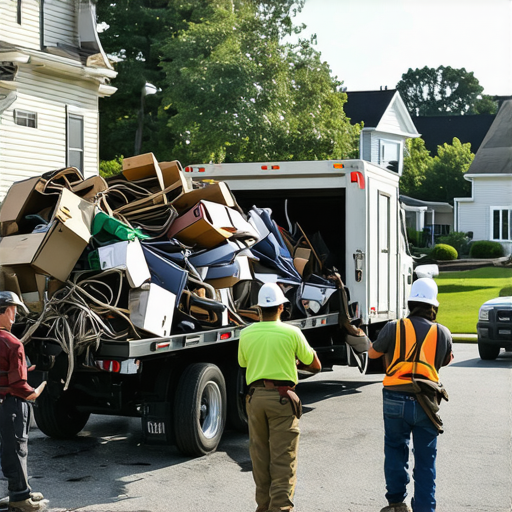
Twenty five years in the waste management trenches teaches you one thing. Junk is never just junk. It is a complex puzzle of chemical compositions, weight distribution, and legal liability. I have spent decades calculating tipping fees and managing diversion rates across the Aurora region. I have seen the damage caused by curbside cowboys who dump appliances in ditches to avoid the 25 dollar refrigerant recovery fee. It is a disgrace. I watched a rookie almost lose his eyebrows because a customer hid a half-full propane tank inside a pile of harmless yard waste. We do not just lift. We inspect. Every. Single. Item. If you think getting rid of a chest freezer is as simple as dragging it to the curb, you are mistaken. You are dealing with a pressurized vessel of environmental toxins that requires a logistical masterclass to move safely. Your junk is your liability until it hits the scale at a certified transfer station. This is the reality of heavy load logistics in the modern age.
The pressurized danger of vintage cooling systems
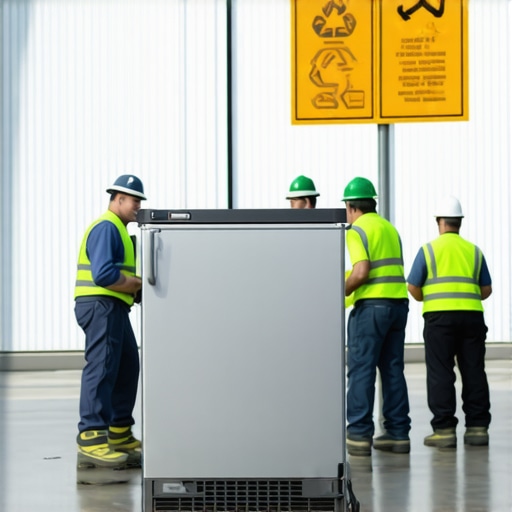
Appliance removal Aurora professionals must treat every chest freezer as a potential hazardous material event because older units contain CFCs or HCFCs like R-12 Freon. These refrigerants are not just greenhouse gases. They are ozone-depleting substances that carry heavy EPA fines if vented into the atmosphere. The compressor is the heart of the risk. Over decades of sitting in a damp Aurora garage, the steel casing of the compressor can corrode. One wrong bump during a Garage Clean out and the pressurized gas escapes. This is why Junk Removal Aurora teams are trained in Section 608 compliance. We focus on the integrity of the copper lines. We look for the oily residue that indicates a slow leak. A 1980s chest freezer is a heavy, awkward box of liability that requires specialized equipment to transport without compromising the cooling loop. The physics of the move are unforgiving. A horizontal freezer has a low center of gravity but a wide footprint. It is the Tetris piece from hell. We use heavy-duty appliance dollies with integrated ratcheting straps to ensure the unit stays upright. Tilting a freezer more than forty-five degrees can send oil from the compressor into the cooling coils. This ruins the unit for potential refurbishment and makes the final disposal process even more volatile.
“Waste is merely a resource in the wrong place; professional removal is the science of putting it back where it belongs.” – Disposal Industry Maxim
Aurora regulatory compliance and the EPA mandate
Safe disposal of appliances in Aurora is governed by strict municipal codes and federal Clean Air Act requirements that prohibit the intentional venting of refrigerants. The Solid Waste Association of North America (SWANA) emphasizes that improper disposal leads to groundwater contamination through the leaching of heavy metals found in electrical components. When we perform a Hoarder Clean Out aurora, we are often dealing with units that have been plugged in for thirty years. The insulation in these old freezers is not just foam. It is polyurethane blown with ozone-depleting substances. When these units are crushed in a standard landfill, those gases are released. Professional Appliance removal ensures the unit goes to a facility where the foam is properly degassed. In the Aurora region, the local transfer stations have specific lanes for white goods. You cannot just throw a freezer into a Dumpster Rentals Aurora container without prior processing. Most rental companies will slap you with a 200 dollar contamination fee if they find a compressor in the bin. It is about the chain of custody. You need a paper trail showing the refrigerant was recovered by a certified technician. This is not just red tape. It is environmental defense. We track every pound of material from your driveway to the final recovery point. If the police find your freezer in a creek, the serial number leads back to you. Professional haulers provide the legal shield you need.
The secret math of material recovery
Recycling efficiency for old chest freezers is actually quite high because the steel shell and copper windings represent significant scrap value at current market rates. However, the cost of labor and hazardous material handling often exceeds the raw material return. While most people think recycling is always better, the carbon footprint of hauling low-grade plastics 500 miles often exceeds the impact of local, high-efficiency waste-to-energy incineration. We look at the BTU potential of the non-metallic components. The plastic liners and rubber gaskets are often shredded and used as alternative fuel. The heavy lifting is in the separation. We must strip the mercury switches from the lids. Older chest freezers used mercury tilt-switches for the internal lights. If that mercury hits the local water table, you are looking at an ecological disaster. We also harvest the capacitor. Older units might contain PCBs or polychlorinated biphenyls. These are persistent organic pollutants. We treat every pre-1979 freezer as a potential PCB site. The logistics of the load are calculated by cubic yard density. A freezer is mostly dead air. This irritates me. We cube out the truck by packing Furniture Removal items or smaller boxes around the freezer to ensure no air space is wasted. Efficiency is the only way to keep tipping fees manageable for the consumer.
| Material | Decomposition Time | Recovery Value | Hazard Level |
|---|---|---|---|
| Steel Shell | 50-100 Years | High (Scrap) | Low |
| R-12 Refrigerant | Never (Atmospheric) | Zero (Cost to Recover) | Extreme |
| Copper Tubing | Indefinite | High | Low |
| Polyurethane Foam | 1000+ Years | Low | Medium |
The logistics of the heavy lift
Structural load limits of residential stairs are often the primary obstacle during a Junk Removal operation involving commercial-grade chest freezers. A standard residential staircase is designed for a live load of 40 pounds per square foot. A full-sized freezer combined with two heavy-load specialists can exceed this limit instantly. We have seen floor joists bow under the pressure. We use plywood sheeting to distribute the weight across the floorboards. This prevents the wheels of the dolly from punching through the subfloor. In Aurora, many basement stairs are narrow and steep. We often have to use winch systems or dismantle the unit in situ. Dismantling is the last resort. It requires a HEPA vacuum to catch any dust from the aging insulation. We also consider the tare weight of the truck. A 15-yard dump truck has a specific Gross Vehicle Weight Rating. If we load ten chest freezers, we are hitting the weight limit before the volume limit. This is the science of the load. We balance the truck to ensure the hydraulic lift can operate at peak efficiency. Most people see a box. I see three hundred pounds of steel, ten pounds of copper, and a pressurized gas cylinder that wants to explode. We use industrial-grade straps to secure the lid. A freezer lid that swings open during transport can shift the center of gravity and cause a rollover. We take no chances.
“The goal of waste management is not to hide the trash, but to neutralize the risk through systematic deconstruction.” – EPA Compliance Handbook
- Intact mercury switches in older chest freezer lids.
- Leaking lead-acid batteries stored nearby in the garage.
- Unsealed containers of unknown industrial solvents inside the unit.
- Biohazardous medical waste or spoiled organic matter in the seals.
- Pressurized fuel canisters or ammunition hidden in the insulation.
The heavy cost of keeping everything
Hoarding behavior often centers around large appliances because they represent a significant past investment, but in Aurora, an unused freezer is a death trap for local wildlife and curious children. The old mechanical latches on freezers from the 1960s cannot be opened from the inside. This is why we prioritize Appliance removal in every clean out project. We remove the doors immediately upon arrival. This is a safety protocol. We see the biological hazards that most people ignore. A freezer that has been unplugged for a month is a breeding ground for Listeria and Salmonella. The plastic liners absorb the smell of rotting organic matter. This requires PPE including N95 masks and heavy-duty nitrile gloves. The Junk Removal Aurora market is flooded with amateurs who do not understand biohazard protocols. They throw these units into the back of a pickup and hope for the best. When that unit leaks putrid liquid onto the Aurora streets, it creates a public health nuisance. We use absorbent pads and neutralizing agents to ensure the transport is clean. The environmental impact of one leaking freezer can affect an entire block. We focus on the Resource Conservation and Recovery Act (RCRA) standards. This ensures that every step of our process is documented and defensible in a court of law. If you are a business owner, this is vital. Your junk is your liability. Do not let it become your legal nightmare.