The illegal dumping trap
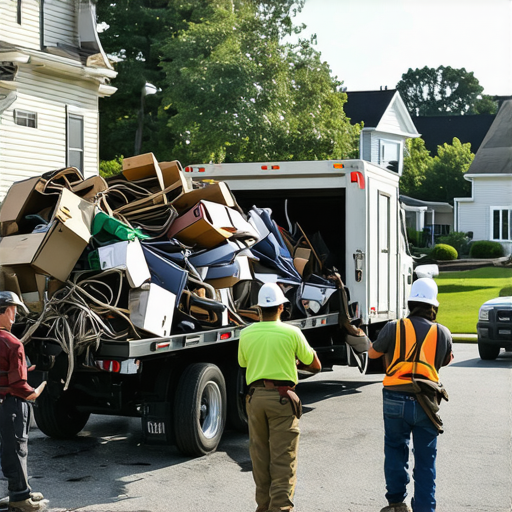
Appliance recycling Aurora operations for 2026 demand a level of logistical precision that most homeowners and casual haulers simply fail to grasp. Junk removal Aurora services are no longer just about muscle; they are about navigating the complex intersection of municipal waste codes, metal recovery values, and strict environmental liability. A local business owner tried to save five hundred dollars by hiring a guy with a pickup truck from a social media ad. Two weeks later, the Aurora police department knocked on his door. His old furnace and several crates of client files were found in a red-tagged ditch. Your junk is your liability until it hits the scale at a certified transfer station. This is the reality of the waste industry. We do not just move boxes. We manage risks. We protect clients from the legal fallout of improper disposal. The process of removing a 400-pound furnace from a narrow 1920s basement is a physical puzzle that requires more than a dolly. It requires a deep understanding of weight distribution and structural load limits.
“Waste is merely a resource in the wrong place; professional removal is the science of putting it back where it belongs.” – Disposal Industry Maxim
The basement gravity trap
Garage clean outs and furnace removals in Aurora often start in the worst possible place: the basement crawlspace. Appliance removal involving old heating systems requires a systematic approach to disassembly because these units were often installed before the home was finished. The physics of the lift are unforgiving. A standard cast-iron furnace can weigh as much as a small piano. When you try to move that much mass up a flight of wooden stairs, the floor joists groan. The wood snaps. If you do not know where the load-bearing points are, you risk a catastrophic structural failure. We see it every season. Amateur haulers try to manhandle a furnace, lose their grip, and the unit goes through the drywall or crushes a foot. Professional logistics managers calculate the pivot points before the first strap is tightened. We look for the path of least resistance. We measure every doorway to the millimeter. There is no room for error when you are moving a literal ton of metal through a living space. The air in the truck must be used efficiently. We call this cubing out the load. Every cubic inch of wasted space is a loss of profit and a waste of fuel.
The hidden chemistry of the furnace
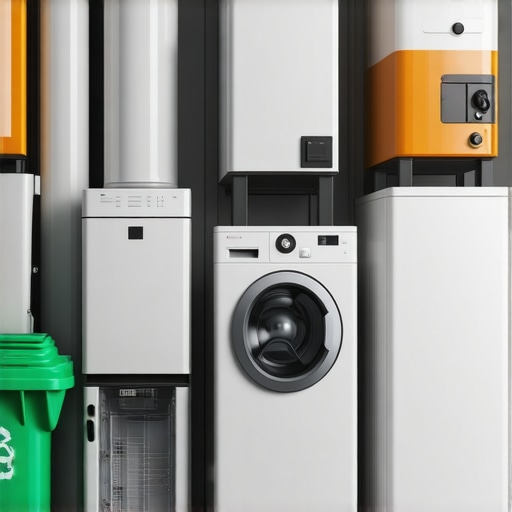
Junk removal for HVAC systems involves more than just heavy lifting. Appliance recycling Aurora professionals must account for the chemical residues left inside old burners. A furnace from twenty years ago contains a mix of metals and potentially hazardous particulates. The heat exchanger might be cracked, leaking trace amounts of carbon deposits or old oil residues. If the unit was a boiler, you are dealing with stagnant water that has been sitting for decades, often concentrated with scale and mineral buildup. Modern 2026 standards require us to identify these materials before they hit the truck. We cannot mix high-grade scrap metal with general household debris. It ruins the diversion rate. Diversion is the percentage of waste we keep out of the landfill. In Aurora, the goal is to hit a ninety percent diversion rate for metal appliances. This means the furnace is stripped. The copper wiring is separated. The steel casing is sent to a specific shredder. The control boards, which contain gold and silver traces, are processed as e-waste. This is the science of material recovery. It is not just trash. It is a series of valuable commodities trapped in a rusted shell.
| Waste Category | Aurora Disposal Rule | Recovery Potential |
|---|---|---|
| HVAC Units | Professional License Required | 95% Metal |
| Furniture | Bulk Tag Required | 10% Fiber |
| Garage Waste | Hazardous Waste Manifest | 40% Mixed |
Aurora municipal waste rules for the new year
Hoarder clean out Aurora projects and large-scale junk removal are governed by the local ordinances that dictate where and when items can be staged. Dumpster rentals Aurora customers often forget that you cannot simply place a twenty-yard bin on a city street without a permit. The local authorities are cracking down on sidewalk obstructions. If you block a fire hydrant or a pedestrian path, the fines are immediate. In 2026, the city has implemented a new weight-based tipping fee system at the regional transfer stations. This means that a heavy furnace costs significantly more to dump than a pile of dry wood. You have to know the weight of your load before you hit the scale. The trucks are weighed on entry and exit. The difference is the weight of your debris. This is why we are obsessed with moisture content. Wet junk weighs more. A rain-soaked sofa can double in weight, costing the homeowner hundreds of dollars in extra disposal fees. We wrap the load. We keep it dry. We save money by managing the density of the debris.
The reality of load based pricing
Furniture removal is often priced by volume, but smart managers look at the density. Junk removal Aurora pricing models are shifting toward a hybrid of cubic yardage and weight. Think about the math. A truck filled with fiberglass insulation is light but takes up massive space. A truck filled with concrete is small but hits the weight limit in seconds. When we remove a furnace, we are looking at a high-density, high-value item. We offset the cost of the labor by the scrap value of the metal. This is the transparency the industry needs. If a hauler gives you a flat rate without looking at the items, they are either overcharging you or they are planning to dump it illegally. There is no middle ground. The cost of labor, fuel, insurance, and tipping fees is a fixed reality. We calculate the BTU potential of recovered wood waste when we do garage clean outs. That wood goes to a waste-to-energy plant, where it is burned to create electricity. It is better than a landfill. It is a circular economy in action. The truck groans under the weight of the steel. The tires compress. We feel the load.
Items your hauler must refuse
Junk removal specialists are restricted by federal laws like the Resource Conservation and Recovery Act. Appliance removal does not include hazardous materials that require a specific hazmat manifest. If we find these items, we have to stop. We are not being difficult. We are being legal. Your junk is your liability. If we take a banned item and it leaks in our truck, we are responsible for the cleanup, which can cost thousands. The following items are generally prohibited by standard haulers in the Aurora area:
- Lead-acid batteries
- Unspent propane tanks
- Wet paint and solvents
- Medical sharps
- Radioactive smoke detectors
- Industrial chemicals
We once found a half-full propane tank buried in a pile of yard waste. A rookie almost lost his eyebrows when the compactor cycled. We don’t just lift; we inspect. Every. Single. Item. This is the difference between a professional and a guy with a truck. We know the chemistry of the load. We know what can explode and what can leak. We protect the truck, and we protect the environment. Professionalism is about the details others ignore.
“Professional waste management is the invisible line between a clean city and an environmental disaster.” – Solid Waste Association Standards
The carbon footprint of the local haul
Dumpster rentals Aurora and direct hauling services have a massive impact on the local environment. While most people think recycling is always better, the carbon footprint of hauling low-grade plastics five hundred miles often exceeds the impact of local, high-efficiency waste-to-energy incineration. We choose the closest facility that offers the highest diversion rate. We minimize the miles. We maximize the load. This is why we hate wasted space. Air in the truck is carbon wasted. Every trip must be full. Every route must be optimized. In Aurora, the proximity to major scrap processors makes furnace recycling highly efficient. We can have a furnace out of your basement and into the melting pot within forty-eight hours. That is the speed of the modern waste engine. We are the stewards of the material lifecycle. We take the old, the broken, and the heavy, and we put it back into the stream of production. The floor snapped. The furnace moved. The job is done. We move to the next pile of forgotten assets.“