The toxic breath of a discarded window unit
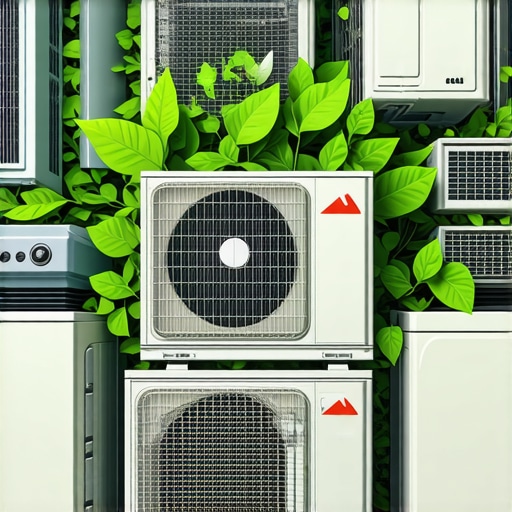
Appliance recycling in Aurora requires specialized handling of refrigerants under EPA Section 608. To recycle old AC units, you must contact a certified technician to recover gases like R-22 or R-410A before the metal chassis can be scrapped at an Aurora transfer station. Local junk removal services often provide this logistics loop.
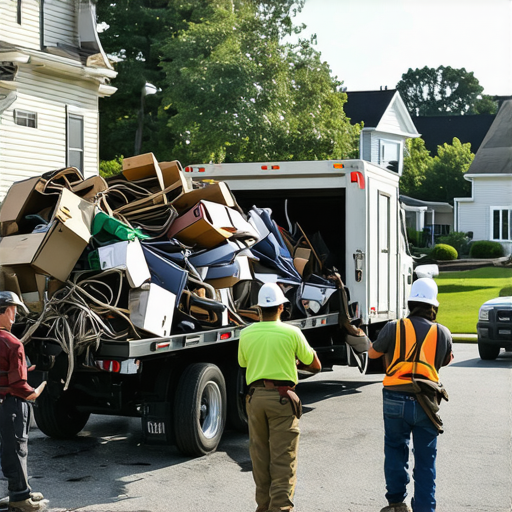
I watched a rookie almost lose his eyebrows because a customer hid a half-full propane tank inside a pile of harmless yard waste. We do not just lift. We inspect. Every. Single. Item. That mindset is vital when dealing with air conditioning units in the Aurora heat. You see a metal box. I see a pressurized vessel filled with hydrofluorocarbons and a high-voltage capacitor capable of delivering a lethal heart-stunting shock even months after being unplugged. The diesel fumes from my 15-yard truck remind me that every mile counts. Moving air is a waste of money. If we are hauling an AC unit, it needs to be drained, documented, and ready for the recovery cycle. The logistics of waste management in the front range area demand precision. If you leave an old unit on the curb in a neighborhood like Seven Hills or Tallyn’s Reach, you are not just being an eyesore. You are creating a hazardous waste site. Rainwater hits those rusted coils. It leaches heavy metals. The soil suffers. Our local groundwater is not a filter for your laziness.
The physics of the load and the cost of air
Waste management is the science of density. When we talk about Junk Removal Aurora, we are talking about cubic yards. A standard window AC unit occupies about three to five cubic feet. If you throw that into a dumpster rental without breaking it down, you are paying to haul Aurora air. The logistics manager in me hates that. Every gap in the truck bed is a lost margin. Professional haulers use a method called cubing out. We stack the heavy furniture removal items on the bottom. We use the appliance removal units as anchors. Then we fill the voids with soft goods from garage clean outs. It is a physical Tetris game played with 500-pound stakes. The suspension of a heavy-duty truck handles the weight, but the wind resistance of a poorly packed load kills the fuel economy. We track every gallon. We track every tip fee at the Denver Arapahoe Disposal Site. Your junk is a mathematical equation that needs solving.
“Waste is merely a resource in the wrong place; professional removal is the science of putting it back where it belongs.” – Disposal Industry Maxim
Legal traps for the Aurora property owner
Your liability does not end when the truck pulls away. If you hire a guy with a rusty pickup and no manifest, and he dumps your old refrigerator in a Cherry Creek ditch, the EPA can trace that serial number back to you. The Resource Conservation and Recovery Act is very clear about the chain of custody for hazardous materials. AC units contain oil and refrigerants that are classified as regulated substances. In Aurora, the municipal code aligns with state health department mandates. You need a paper trail. This is why professional hoarder clean out aurora projects take so long. We have to sort the batteries, the solvents, and the appliances. We do not just shove it all into a hole in the ground. We manage the risk. The small-town mayor types might tell you to just take it to the dump, but the logistics expert knows that the dump will turn you away if they see a compressor still attached to that frame.
| Disposal Method | Direct Cost | Environmental Impact | Liability Risk |
|---|---|---|---|
| Municipal Curbside | Low | High (Landfill) | Moderate |
| Dumpster Rentals Aurora | Medium | Low (If sorted) | Low |
| Professional Junk Removal | Variable | Very Low (Recycled) | Zero |
| Illegal Dumping | Legal Fees | Extreme | Maximal |
The structural reality of hoarder clean out projects
Hoarding is not just a collection of stuff. It is a structural load. I once cleared a house where the junk was not just stuff. It was a structural hazard. We found the floor joists were bowing under the weight of 40 years of newspapers that had absorbed ten years of basement humidity. The paper became a solid, heavy mass. It was like mining rock. When we do appliance removal in these environments, the risk triples. Rodents love the insulation inside old AC units. They chew the wires. They leave biological hazards behind. The air quality inside a Level 5 hoarding situation in Aurora can be more toxic than a chemical plant. We wear respirators. We wear puncture-resistant gloves. The floor snapped once under a stack of old CRT televisions. We had to bridge the gap with plywood just to get the furniture removal team out safely. This is the reality of heavy-load logistics. It is dangerous. It is dirty. It is necessary.
Items your hauler cannot legally touch
- Pressurized gas cylinders like propane or oxygen tanks.
- Open containers of liquid lead-acid batteries.
- Unlabeled industrial chemicals or solvents.
- Biohazardous waste and medical sharps.
- Radioactive materials including some old smoke detectors.
- Ammunition or unexploded ordnance.
- Wet paint or jars of used motor oil.
The carbon footprint of low-grade recycling
While most people think recycling is always better, the carbon footprint of hauling low-grade plastics 500 miles often exceeds the impact of local, high-efficiency waste-to-energy incineration. We have to be honest about the math. Moving a plastic chair across three states to a processing plant that uses coal-fired electricity is a net loss for the planet. In Aurora, we try to keep it local. We look for scrap yards within a twenty-mile radius. We look for furniture removal charities that can actually use the items. If an item is truly junk, the most ethical thing to do is to minimize the transport distance. Every mile a 26,000-pound GVW truck travels, it emits a specific amount of nitrogen oxide. My job is to make sure that emission is justified by the recovery of high-value materials like copper, aluminum, and steel from those old AC units. The copper in an evaporator coil has a high BTU recovery value. The steel frame is infinitely recyclable. That is the win. That is why we do this.
“The proper management of solid waste is a fundamental requirement of a functional society, yet it remains invisible until the system fails.” – Solid Waste Association of North America
The heavy cost of keeping everything
Every square foot in your Aurora home has a rental value. If you are using fifty square feet of your garage to store a broken fridge and a 1990s window AC unit, you are paying a storage tax. You just do not see the bill. Garage clean outs are about reclaiming equity. We see it every day. A homeowner spends $200 a month on a storage unit while their two-car garage is filled with furniture removal candidates. The math does not work. The stress of the clutter impacts your mental clarity. The dust impacts your lungs. The logistics of a clean life start with a clear floor. When we pull that final load out and sweep the concrete, you can see the physical weight lift off the customer. The engine idles. The hydraulic lift gate slams shut. The job is done. We head back to the yard to sort the metal from the trash. The cycle continues. Diesel, sweat, and steel. That is the waste management life in Aurora. Don’t be the person who hides a battery in the trash. Be the person who respects the process.