The hidden explosion in the driveway
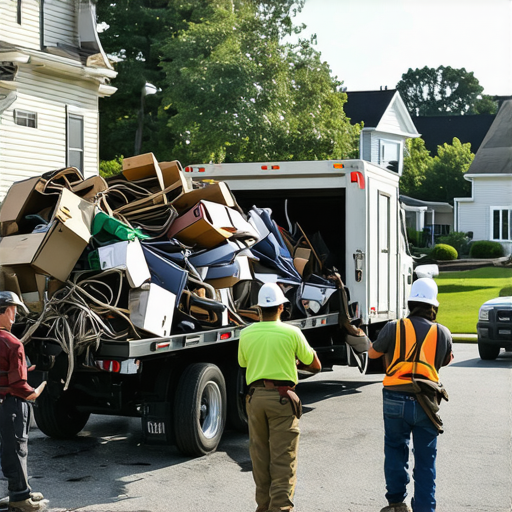
Appliance removal and junk removal in Aurora require more than just a strong back and a lift gate. I watched a rookie almost lose his eyebrows because a customer hid a half-full propane tank inside a pile of yard waste. We do not just lift. We inspect every single item. This is the reality of waste management. The smell of diesel and hydraulic fluid is the scent of a job done right. When you see a dishwasher sitting on a curb in Aurora, you are not looking at trash. You are looking at a complex assembly of high-grade stainless steel, copper windings, bitumen sound-deadening pads, and potentially hazardous capacitors. The curbside cowboys see a quick buck. I see a logistical puzzle that requires precise cubing out of a 15-yard truck to ensure we do not transport air. Transporting air is the greatest sin in this industry. It wastes fuel and destroys margins. If you are dealing with a hoarder clean out aurora, the complexity scales exponentially as density increases and structural integrity fails. Every cubic yard of waste has a weight profile that dictates the physics of the haul. A dishwasher might weigh 150 pounds, but its volumetric footprint is what kills your efficiency if you do not know how to stack the rest of the load around it. We are talking about the science of material recovery in an era where the Resource Conservation and Recovery Act defines how we handle the things you no longer want.
“Waste is merely a resource in the wrong place; professional removal is the science of putting it back where it belongs.” – Disposal Industry Maxim
The metallurgy of a kitchen scrap
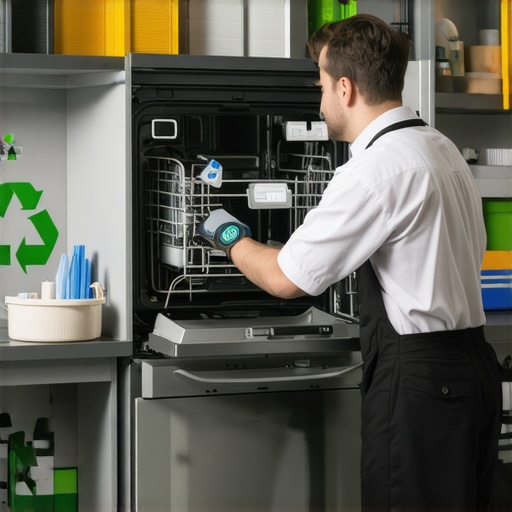
Appliance recycling in Aurora demands a granular understanding of the raw materials found in modern household machines. A standard dishwasher consists of a galvanized steel frame, a pump motor containing roughly two pounds of copper, and a plastic or stainless tub. In Aurora, the local transfer stations and scrap yards have strict purity requirements. You cannot just toss a dishwasher into a shredder without removing the heavy rubber gaskets and the fiberglass insulation. This insulation is a primary irritant. It requires specific personal protective equipment to handle during a high-volume garage clean out. If the unit is an older model, we check for PCB-containing capacitors which are a major environmental liability. The logistics of moving these units out of a tight Aurora kitchen involves calculating the load-bearing capacity of the floor and the turning radius of a standard appliance dolly. We often see homeowners try to drag these across hardwood, ruining the finish. A professional knows that the weight must be distributed across pneumatic tires. When we perform appliance removal, we are calculating the tip fee against the scrap value. Most of the time, the labor and fuel far outweigh the four dollars in scrap steel. This is why residents need a professional service that understands the diversion rates required by modern municipal standards.
| Material Type | Decomposition Time | Recycle Potential | Density (lbs/cu yd) |
|---|---|---|---|
| Corrugated Cardboard | 2 Months | 95% | 100 |
| Mixed Plastics | 450 Years | 20% | 250 |
| Ferrous Metals | 50 Years | 100% | 2200 |
| Dishwasher Unit | 100 Years | 85% | 400 |
The structural danger of the basement stash
A hoarder clean out aurora project is a masterclass in gravitational physics and biological hazards. I once cleared a house where the junk was not just stuff. It was a structural hazard. We found the floor joists were bowing under the weight of forty years of newspapers that had absorbed ten years of basement humidity. This is the logarithmic growth of weight in waste management. Dry paper is light. Damp paper is a lead weight. When we enter a garage clean out, we are looking for more than just furniture removal. We are looking for signs of pests and structural rot. The Aurora climate can be harsh. Humidity spikes lead to mold growth in porous materials like sofas and mattresses. This makes them hazardous to handle and increases the tipping fee at the landfill because they are categorized as contaminated waste. We use a Tetris-like strategy to load the truck. We place the heaviest items like old washing machines or refrigerators at the bottom to lower the center of gravity. We then fill the gaps with smaller debris. If you leave empty pockets in the load, the cargo shifts during transit on the E-470 loop. This creates a dangerous imbalance. A professional hauler knows that the goal is a solid block of material that does not move when the truck hits a pothole. This is the difference between a veteran and a guy with a pickup truck who just wants your cash.
The high cost of hidden hazards
Hazardous waste identification is the most critical skill in the junk removal industry. We see it constantly in Aurora garage clean outs. A resident has ten gallons of old paint, three car batteries, and a gallon of pesticide hidden behind a pile of old rugs. If we toss those into the back of a hydraulic packer, we risk a chemical fire or a pressurized spray that could blind a worker. Your junk is your liability until it hits the scale at the transfer station. This is why we insist on a full manifest for commercial clean outs. The local regulations in Aurora are clear about what can and cannot enter the municipal waste stream. Lead-acid batteries contain sulfuric acid and lead. These are toxic. They cannot go to the landfill. We must divert them to specialized recyclers. This is not just an environmental choice. It is a legal mandate. The EPA has strict guidelines on the disposal of white goods. If a hauler dumps your dishwasher in a ditch, and the serial number is traced back to your address, you are the one facing the fine. Professional junk removal is an insurance policy against legal and environmental disaster.
- Lead-acid car and motorcycle batteries
- Propane tanks and pressurized cylinders
- Liquid paint and volatile solvents
- Ammunition and explosive materials
- Fluorescent light tubes containing mercury
- Biohazardous waste or medical needles
Why the local landfill is not a playground
Navigating the Aurora disposal landscape requires knowledge of tipping fees and site-specific rules. The Denver Regional Landfill and local transfer stations have specific lanes for different materials. If you show up with a mixed load of furniture removal items and concrete, you will be hit with the highest possible rate. We sort on-site. We separate the clean wood from the treated lumber. Clean wood can be chipped for mulch or used as fuel in waste-to-energy plants. Treated lumber contains arsenic and chromium. It must be handled differently. This level of detail is how we maintain a high diversion rate. While most people think recycling is always better, the carbon footprint of hauling low-grade plastics 500 miles often exceeds the impact of local, high-efficiency waste-to-energy incineration. We make these calculations daily. We choose the disposal site based on the material mix. If we are doing a furniture removal job in Aurora, we look for donation centers first. If the item is too damaged, we break it down. A sofa is a mix of wood, steel springs, and polyurethane foam. Breaking it down takes time, but it saves space in the landfill. Space is the most expensive commodity in the world of waste. Every cubic inch we save extends the life of our local infrastructure.
“Modern waste management is the invisible backbone of urban hygiene; without it, the city stops breathing.” – SWANA Technical Report
The logistics of the heavy lift
Furniture removal and appliance removal in Aurora often involve tight spaces and high weights. When we handle a piano or a large sectional sofa, we are managing the structural load limits of the home. Moving a 300-pound refrigerator down a flight of stairs requires more than muscle. It requires an understanding of mechanical advantage. We use shoulder dollies and specialized ramps. We calculate the pivot point at every corner. If you get it wrong, you don’t just damage the walls. You risk a crush injury. The physics of junk removal are unforgiving. A 15-yard dumpster rental in Aurora might seem like a good DIY option, but most people do not know how to load them. They put the light stuff at the bottom and the heavy stuff on top. The dumpster becomes top-heavy and dangerous to haul. Or they exceed the weight limit by filling it with concrete. Most 15-yard bins have a four-ton limit. If you fill it with dirt, it will weigh ten tons. The truck cannot lift it. The pavement under the bin cracks. This is why live-loading with a professional crew is often cheaper and safer than a dumpster rental. We bring the truck, we load it in an hour, and we are gone. No permits. No bin sitting in your driveway for a week. No neighbors throwing their trash into your rented space at night. It is a clean, surgical strike on clutter.
The digital footprint of physical waste
Every load we haul from an Aurora property generates a data trail of weight and material type. This is the ethical hacker approach to waste. We treat a hoarding situation like a data overflow error. We need to clear the cache. We start with the high-volume, low-value items to create operational space. Once the floor is visible, we can tackle the more complex technical waste. E-waste is a major concern. Old computers, televisions, and monitors contain lead, cadmium, and brominated flame retardants. In Aurora, you cannot simply toss a CRT monitor in the trash. The glass is leaded. It requires specialized smelting to recover the materials. We ensure that all electronics are wiped and destroyed if necessary, then sent to R2-certified recyclers. This prevents your personal data from ending up in a foreign landfill where the boards are burned for copper. We take the chain of custody seriously. Whether it is a single dishwasher or a full estate clean out, the process remains the same. We identify, we sort, we load, and we document. This is the only way to manage the massive output of our modern consumer culture. We are the filter between your home and the environment. We make sure nothing toxic gets through.