The nightmare in the driveway
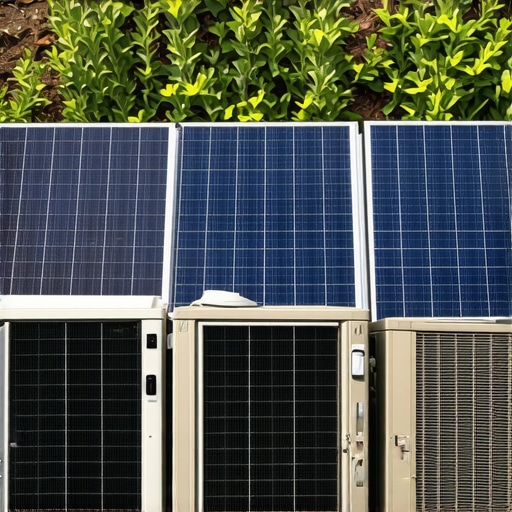
Appliance recycling Aurora centers and professional junk removal services define old solar panels as universal waste requiring specialized handling protocols to prevent heavy metal leaching into local groundwater systems. The complexity of the photovoltaic recycling process involves mechanical separation of tempered glass and chemical extraction of valuable silicon wafers. I watched a rookie almost lose his eyebrows because a customer hid a half-full propane tank inside a pile of harmless yard waste. We don’t just lift. We inspect. Every. Single. Item. This rule applies doubly to solar technology. A single cracked panel in a rainstorm releases lead and cadmium. These elements do not belong in a standard Colorado landfill. My team knows the weight of responsibility. We calculate the center of gravity for every load. The hydraulics hiss under the pressure of a full 15-yard bin. Efficiency is the only way to survive the rising tipping fees at the Denver Arapahoe Disposal Site. We see it all. We see the shortcuts people take. They think a cheap truck and a trailer solve the problem. They are wrong. They are liable for every ounce of toxic runoff their junk creates. Professionalism is about documentation. It is about the manifest. It is about the chemistry of the load. We treat solar panels with the same respect as a live transformer. The energy potential might be gone, but the chemical threat remains. Aurora has strict rules for a reason. The high plains environment is fragile. We manage that fragility with steel trucks and logistics. We do not just haul. We mitigate risk. This is the science of the scrap.
The heavy cost of keeping everything
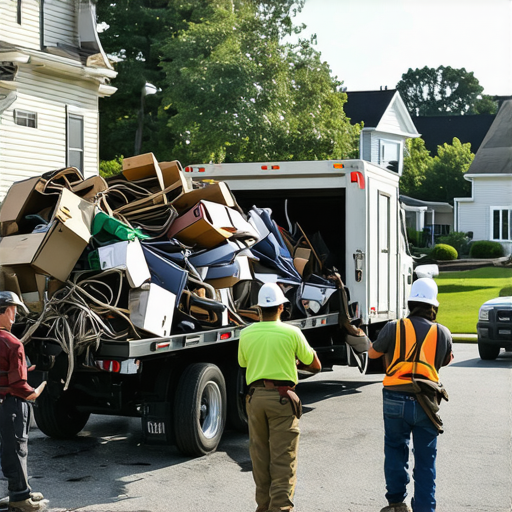
Junk removal Aurora experts identify hoarding as a logistical failure where the accumulation of materials exceeds the structural load capacity of residential flooring and poses significant fire egress risks. The floor snapped. The joist groaned. We were clearing a basement near Cherry Creek State Park. The owner had stacked two decades of heavy appliances. We are talking old washing machines and ancient refrigerators. The humidity had turned the floorboards into sponge. Every step was a gamble. You cannot just run in and grab things. You have to shore up the structure. You have to think like an engineer. We used plywood paths to distribute the weight. This is the reality of a hoarder clean out Aurora project. It is not just cleaning. It is a recovery operation. We look for the Tetris. We look for the air gaps. Every cubic inch of that truck costs money. If I leave air in the bin, I am losing profit. My guys are masters of the pack. They can fit a three-bedroom house into two loads because they understand volume. We strip the components. We separate the copper from the plastic. We ensure the heavy metals stay out of the dirt. This is the diesel-fueled truth of the business. You sweat. You lift. You calculate. There is no room for error. A poorly secured load is a projectile on I-225. We check the straps twice. We check the gate thrice. The city of Aurora expects perfection. We deliver it because we have to.
“Waste is merely a resource in the wrong place; professional removal is the science of putting it back where it belongs.” – Disposal Industry Maxim
Why your cheap hauler is a legal time bomb
Dumpster rentals Aurora residents choose must comply with the Resource Conservation and Recovery Act standards to ensure that prohibited items like old solar panels do not incur massive municipal fines. The liability follows the waste. If you hire a guy with a pickup truck and he dumps your old furniture in a ditch, the police will find your mail in the pile. You get the ticket. You get the fine. We provide a paper trail. We show you exactly where the material went. Most of it never sees a landfill. We divert as much as possible to secondary markets. Wood goes to mulch. Metal goes to the forge. Solar glass goes to specialized processors. This is how we keep Aurora clean. The cost of a professional service reflects the cost of doing it right. It reflects the insurance. It reflects the permits. A 20-yard dumpster is not just a metal box. It is a commitment to the environment. We drop it. You fill it. We haul it. But there are rules. You cannot put tires in there. You cannot put paint in there. You cannot put solar panels in a standard dumpster. The glass is treated. The frame is anodized aluminum. They require a separate stream. We manage that stream. We are the gatekeepers of the waste stream. We filter the debris. We protect the city. It is a thankless job until the basement floods and the junk starts to float. Then, we are the only people who matter.
| Material Type | Recovery Rate | Toxicity Level | Primary Disposal Method |
|---|---|---|---|
| Tempered Glass | 95% | Low | Cullet Processing |
| Aluminum Frames | 100% | Low | Smelting |
| Silicon Wafers | 85% | Medium | Chemical Etching |
| Lead/Cadmium | 99% | High | Hazardous Waste Cell |
The ghost in the garage
Garage clean outs involve the identification of hazardous household materials that require specialized disposal certificates to avoid environmental contamination of the local soil. Most people think their garage is just full of boxes. They forget the old car batteries. They forget the pesticides. They forget the broken solar charger from 2005. These are the ghosts. They haunt the corners. They leak into the concrete. When we arrive for a garage clean out, we perform a site assessment. We look for the stains. We look for the smells. Ammonia. Sulfur. Old oil. We catalog it all. We use heavy duty bins. We use spill kits. My team wears the gear. We do not take chances. The air in a packed garage is stale. It is heavy with dust. We use blowers to clear the air before we start the heavy lifting. We move the big stuff first. The old lawnmowers. The broken freezers. The appliance removal process is a dance. You tilt. You slide. You lift. You do not use your back. You use your legs and your head. We clear the space so you can breathe again. It is a psychological weight being lifted. You see the floor for the first time in years. The concrete is gray. The walls are empty. It is a fresh start. We take the burden. We put it in the truck. We drive it to the scales. The scale does not lie. We pay by the ton. We charge by the yard. The math is simple. The labor is hard. This is the bargain we make with the city.
- Lead-acid and lithium-ion batteries
- Industrial solvents and pool chemicals
- Pressurized cylinders or fire extinguishers
- Medical waste or biohazardous materials
- Asbestos-containing construction debris
“The management of end-of-life photovoltaics is a critical component of the circular economy.” – EPA Resource Guide
The physics of the pack
Furniture removal logistics dictate that bulky items must be dismantled to maximize truck density and minimize the total number of trips required for a full property clear out. A sofa is mostly air. If you put it in a truck whole, you are paying to haul air. We break it down. We remove the legs. We stack the cushions. We turn a six-foot footprint into a three-foot footprint. This is the Tetris I talk about. The truck is a puzzle. The pieces are heavy. The clock is ticking. We handle the heavy lifting of appliance removal with hydraulic dollies. We protect the door frames. We protect the floors. A scratched hardwood floor is a failure. We use blankets. We use tape. The logistics manager in me hates waste. I hate wasted time. I hate wasted space. I hate wasted resources. Every panel we recycle is a win. Every pound of steel we save from the dump is a victory. The Aurora waste landscape is changing. The regulations are tightening. We stay ahead of the curve. We study the codes. We know the landfill managers. We know the recycling plant owners. We are the bridge between your junk and its next life. We are the heavy lifters of the green revolution. It is not glamorous. It is dirty. It is loud. But it is necessary. Without us, the city would choke on its own consumption. We are the lungs of the municipal body. We keep the air clear and the ground clean. We haul the past so you can build the future. That is the mission. That is the job. We finish the load. We tarp the top. We head to the scale. The day is done. The space is clear. The job is right. We do it again tomorrow. Always with the manifest. Always with the math. Always with the grit. Aurora stays clean because we stay busy.