The hazardous surprise of the basement cleanout
I watched a rookie almost lose his eyebrows because a customer hid a half-full propane tank inside a pile of ‘harmless’ yard waste. We don’t just lift. We inspect. Every. Single. Item. Experience in waste management is not about muscle. It is about the sensory recognition of danger. In Aurora, when we handle old heating units, we are not just moving metal. We are managing legacy contaminants, mercury switches, and structural load limits that can compromise a residential foundation if handled by amateurs. The logistics of removing a 600-pound cast iron boiler require more than a dolly. It requires a rig plan. I have seen floors snap because a crew did not understand the physics of weight distribution during a turn. This industry is unforgiving to those who do not respect the weight. We live by the manifest. We die by the liability of an illegal dump site. Your junk is your legal footprint until the moment the scale house at the Denver Arapahoe Disposal Site issues a stamped receipt.
The hidden chemistry of Aurora basements
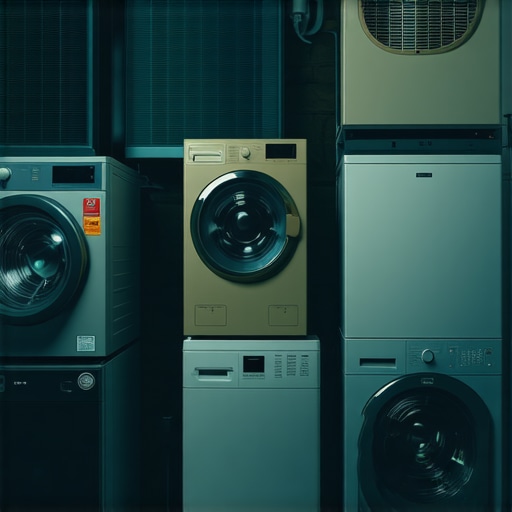
Appliance recycling in Aurora requires a deep understanding of the Resource Conservation and Recovery Act and local Colorado Department of Public Health and Environment regulations regarding hazardous waste. Old heating systems are chemical puzzles containing refrigerants, heavy metals, and polychlorinated biphenyls (PCBs) in older capacitors. Every unit must be evacuated of pressurized gases before it enters the scrap stream to prevent atmospheric release. The metal itself is a secondary concern. The primary focus is the mitigation of asbestos insulation often found on pipe wrap in older Aurora homes. If you disturb these fibers without a containment plan, you are not cleaning a house. You are creating a long-term health liability for every inhabitant. We treat every pre-1980 heating unit as a potential hazmat site until proven otherwise. This is the difference between a professional haul and a curbside pickup. The BTU potential of recovered materials is high, but the cost of negligence is higher. Logistics managers must calculate the cubic-yard density of the truck to ensure we are not over-weight on city streets. A fully loaded 15-yard truck filled with cast iron can easily exceed gross vehicle weight ratings. This leads to shredded tires and hydraulic failure. We calculate every pound.
| Disposal Component | Standard Unit Weight | Average Removal Time | Recovery Value |
|---|---|---|---|
| Cast Iron Boiler | 400-800 lbs | 120 Minutes | High (Iron) |
| Gas Furnace | 150-250 lbs | 45 Minutes | Medium (Mixed Metal) |
| Oil Tank (Empty) | 200 lbs | 90 Minutes | Low (Hazardous) |
| Electric Baseboard | 15-30 lbs | 15 Minutes | Medium (Copper) |
The physics of the fifteen yard truck
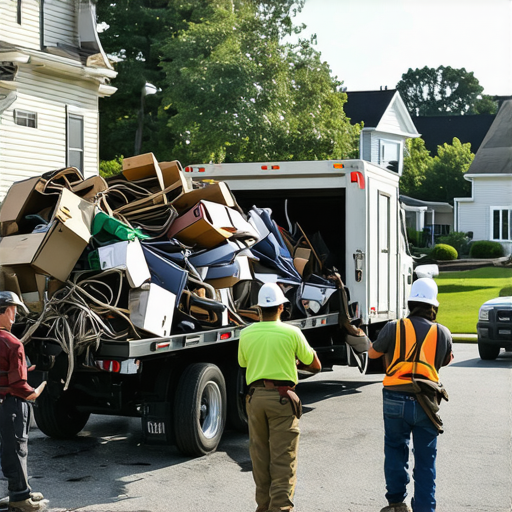
Truck loading efficiency is a science where every cubic inch of air represents lost profit and unnecessary carbon emissions. When we approach Junk Removal Aurora, we look for the Tetris fit. This means breaking down large furnaces to fit into the voids created by Furniture Removal or Appliance removal. You never place a heavy boiler on top of a loose pile. It must be the anchor at the front of the bed over the axles. This ensures vehicle stability and braking efficiency during the haul to the transfer station. Most people assume the truck size is the limit. The real limit is the hydraulic lift capacity and the tensile strength of the straps. If a load shifts on the I-225, it is a catastrophic event. We use volumetric pricing because weight is often invisible to the client. A box of old HVAC filters takes up the same space as a heavy motor but weighs nothing. We balance the load to ensure we do not ‘cube out’ before we ‘gross out’ on weight. This is the logistical zoom that amateurs ignore. They see a pile. We see a distribution of mass that affects fuel burn and brake wear.
“Waste is merely a resource in the wrong place; professional removal is the science of putting it back where it belongs.” – Disposal Industry Maxim
Why your cheap hauler is a legal time bomb
Liability in waste disposal rests with the property owner until a certified waste manifest is produced by a licensed disposal facility. Hiring a guy with a pickup truck from a social media ad is a high-risk gamble. If your old heating unit is found in a ditch near Cherry Creek State Park, the authorities look for serial numbers and customer records. You are responsible for the illegal dumping fines. Professional Junk Removal Aurora services provide a chain of custody. We track the e-waste and heavy metals to their final destination. While many believe recycling is always the superior path, the carbon footprint of transporting low-grade plastics or contaminated metals over long distances often exceeds the benefit. Local high-efficiency waste-to-energy plants are sometimes the more environmentally sound choice for non-recyclable components. We analyze the diversion rates for every load. We don’t just dump. We stratify the waste. The steel goes to the mill. The copper goes to the refinery. The hazardous components go to the secure landfill. This is the Ethical Hacker approach to waste. We find the most efficient backdoor to the circular economy.
Items your hauler cannot legally touch
- Sealed Pressure Vessels: Unless they are certified empty and the valves are removed.
- Unknown Liquid Chemicals: Found in many old boiler maintenance kits.
- Friable Asbestos: Requires a specialized abatement contractor.
- Radioactive Smoke Detectors: Often found in furnace rooms.
- Unlabeled Biohazards: Sometimes hidden in hoarder clean outs.
The heavy cost of keeping everything
Hoarder Clean Out aurora operations often reveal that the garage clean outs are not just about junk. They are about structural integrity. I have seen floor joists bowing under the weight of industrial boilers that were never removed when the house was converted to gas. This is a static load the home was never designed to carry. The psychological weight of the clutter is matched by the physical stress on the building. Every year an old furnace sits in a basement, it loses its salvage value to oxidation and becomes a nest for pests. Furniture Removal in these environments requires personal protective equipment because the dust is not just dirt. It is particulate matter that can contain lead paint or mold spores. We use HEPA filtration and negative pressure when necessary. The logistical manager doesn’t just see the junk. They see the airflow and the contamination path. We move fast, but we move with surgical precision. The Small-Town Mayor mindset reminds us that every illegal dump ruins a local waterway. We protect Aurora by following the rules that the curbside cowboys ignore. We smell like diesel and hydraulic fluid because we are doing the heavy lifting that keeps the city clean. The floor snapped once on a rookie. It won’t happen again on my watch.
“The goal of the modern waste manager is the total elimination of the concept of ‘trash’ through precise material separation.” – Solid Waste Association Guidelines
The engineering of a safe extraction
Safe appliance removal in Aurora involves a step-by-step decommissioning protocol. First, we identify the energy source. Is it natural gas, propane, or electricity? Every connection must be capped and tested with a combustible gas indicator. Then, we look for secondary hazards. Many old heating units used mercury flame sensors or thermostats. These must be removed and placed in a universal waste container. We then disassemble the unit to its base components. If the unit is too large for the stairs, we use plasma cutters or reciprocating saws. This creates hot work hazards. We maintain a fire watch. We don’t just drag metal across your floors. We use masonite runways to protect the structural finish of your home. Garage clean outs often involve moving heavy loads over cracked concrete. We use pneumatic tires on our dollies to absorb the shock. Every step is calculated. Every turn is measured. The Tetris of the truck is the final stage. We pack it tight. No air. No movement. Just solid mass ready for the recovery center. This is how we achieve maximum diversion and minimum landfill impact.