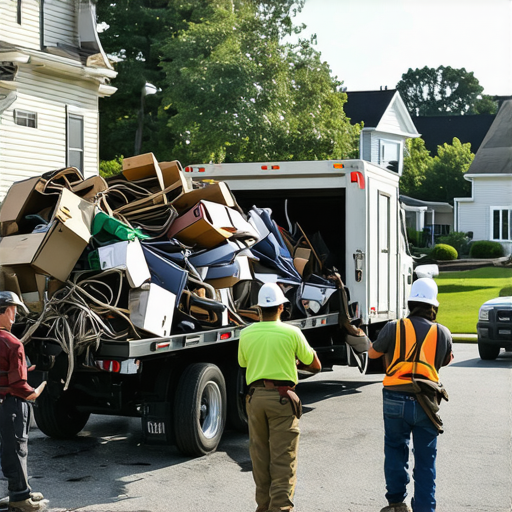

The smell of diesel exhaust and hydraulic fluid is the scent of a clean workspace. I have spent twenty-five years staring at the back of 15-yard trucks. I know every cubic inch of volume in a dump body. I know the exact weight of a 1970s cast iron range compared to a modern stainless steel convection oven. When people talk about junk removal in Aurora, they often focus on the convenience. I focus on the liability. I focus on the physics of the load and the environmental impact of a poorly managed waste stream.
The expensive myth of the budget hauler
Selecting a junk removal service in Aurora based solely on the lowest quote is a recipe for legal and environmental disaster. Professional 2026 stove disposal rates reflect the true costs of labor, transport, insurance, and rising tipping fees at regional transfer stations. Cheap haulers often bypass these essential logistics.
A business owner once tried to save 500 dollars by hiring a guy with a pickup truck from a social media ad. Two weeks later, the police called him because his company’s confidential files were found in a ditch. Your junk is your liability until it hits the scale. This is the reality of the waste industry. When you hire someone for appliance removal, you are paying for the peace of mind that the item is tracked from your curb to the final scrap yard or hazardous waste facility. In Aurora, the proximity to the Fox River makes illegal dumping even more egregious. We see it all the time. Fly-by-night operations dump heavy stoves in the woods to avoid the 85 dollar per ton tipping fee. They pocket your cash and leave you with the risk. If your name is on a receipt found in that pile, the Kane County authorities will find you. My trucks operate on a manifest system. Every pound is accounted for. Every stove is logged. We prioritize the logistical tetris of the load to ensure no air space is wasted, which is the only real way to keep costs down without cutting corners.
The logistical anatomy of a heavy appliance extraction
Extracting a stove from a residential kitchen requires an understanding of structural load limits and center-of-gravity physics. The 2026 disposal process involves disconnecting gas lines, managing floor protection, and utilizing specialized dolly systems to navigate narrow Aurora hallways without damaging property. Logistics dictate the final price point.
The physics of moving a 300-pound stove are unforgiving. If a rookie hauler tries to manhandle a dual-fuel range down a set of stairs, the wood grain of the staircase is the first casualty. We use neoprene floor runners. We use 1,000-pound capacity appliance dollies with air-filled tires to distribute the weight. A stove is not just a box of metal. It contains porcelain coating, glass, copper wiring, and often insulation that can be a nesting ground for pests. The logistics of the pull require two men and a clear path. We calculate the turn radius of every corner. If the stove is being pulled from a basement in a hoarder clean out aurora scenario, the difficulty spikes. We have to clear a path through years of accumulated debris before the appliance can even be touched. This is where the cubic-yard density calculation becomes vital. We cannot afford to have a 15-yard truck sitting idle while we move boxes. Everything must be staged. The heavy appliances go in first, right against the bulkhead. This keeps the weight over the rear axles for better traction and safety. We pack the voids with smaller items to prevent shifting. An unsecured load in Aurora is a 250 dollar ticket waiting to happen on Orchard Road. We do not take that risk.
“Waste is merely a resource in the wrong place; professional removal is the science of putting it back where it belongs.” – Disposal Industry Maxim
Hidden variables in 2026 stove disposal pricing
Stove disposal costs in Aurora are determined by the weight of the unit, the volume it occupies in the truck, and current market values for scrap metal. In 2026, increased fuel surcharges and environmental compliance fees have pushed the average single-item pickup into the 125 to 175 dollar range.
| Disposal Metric | Cubic Yard Basis | Weight-Based (Per Ton) | Single Item Flat Rate |
|---|---|---|---|
| Residential Stove | $45 – $60 | $85 – $110 | $125 – $185 |
| Commercial Range | $90 – $120 | $110 – $140 | $250 – $450 |
| Old Cast Iron Units | $150 (Extra Labor) | $95 | $225+ |
People often ask why a stove costs more than a sofa to remove. The answer is density and material complexity. A sofa is mostly air and foam. A stove is dense steel. When we pull into the Aurora Transfer Station, we are weighed on a scale. We pay by the ton. If we have five stoves in the back, that is over half a ton of dead weight. The labor to move that metal is significantly higher than moving a couch. Furthermore, the 2026 market for recycled steel is volatile. While we get a small kickback from the scrap yard, it rarely covers the fuel and insurance. The insurance for a junk removal aurora company is astronomical because we are lifting heavy objects in tight spaces. One slip and we are replacing a 4,000 dollar sub-zero refrigerator or fixing a 10,000 dollar hardwood floor. That risk is baked into the price. We also factor in the distance to the nearest certified recycling center. We do not just dump these in a landfill. The environmental regulations in Illinois require the removal of specific components before the steel can be shredded. This specialized labor adds to the overhead. If someone quotes you 40 dollars to take a stove, they are either not insured or they are dumping it in a ditch.
Environmental physics of scrap metal recovery
Professional appliance recycling prevents hazardous materials like lead and mercury from leaching into the local soil. The 2026 stove disposal protocol focuses on the 98 percent recovery rate of steel, copper, and aluminum found in modern kitchen ranges. This process reduces the carbon footprint of new metal production.
When a stove reaches the end of its life, it becomes a chemical puzzle. The older units from the 1960s and 70s often contain mercury switches or heavy metal components in the clock assemblies. If these items are crushed in a general landfill, those toxins enter the groundwater. In Aurora, we have a responsibility to the local ecosystem. We take every appliance to a facility that specializes in material recovery. They strip the copper wiring, which has a high resale value but requires tedious labor to extract. They pull the aluminum heating elements. The remaining steel frame is then shredded. This is the circle of life for waste. While most people think recycling is always better, the carbon footprint of hauling low-grade plastics 500 miles often exceeds the impact of local, high-efficiency waste-to-energy incineration. However, for metal like a stove, the energy savings of recycling vs. mining new ore are nearly 75 percent. This is why we are so adamant about proper disposal. We are not just movers. We are the last line of defense for the environment. Every stove we haul is a victory for resource management. We track the diversion rates for our commercial clients to help them meet their green goals. It is a data-driven approach to junk removal.
Managing the hoard in Kane County
Hoarder clean outs in Aurora require a tactical approach to debris management where appliances are often the anchors of the clutter. Success depends on establishing a clear logistics chain that prioritizes the removal of heavy, hazardous, or vermin-infested items first to stabilize the environment.
I once cleared a house where the junk was not just stuff. It was a structural hazard. We found the floor joists were bowing under the weight of 40 years of newspapers that had absorbed ten years of basement humidity. In the middle of that mass were three old stoves. The homeowner had bought new ones but could not get the old ones out. They just pushed them into the corner. That house was a ticking time bomb. The air was thick with the smell of mold and old grease. We had to wear respirators just to enter. When you are dealing with a hoarder clean out aurora project, you cannot just start throwing things in a truck. You need a plan. We started by creating a central aisle. We used a sawzall to break down larger furniture removal items. The stoves were the biggest challenge. They had literally become part of the floor. We had to pry them up. This is where the logistical zooming comes in. You have to look at the fasteners. You have to look at the rust. If the legs of the stove are rusted through, the unit can collapse during the lift. That is how people get crushed. We used heavy-duty straps to stabilize the frames before we moved them. It took six hours just to get the first stove to the truck. That is the reality of heavy-load junk removal. It is slow. It is dangerous. It is necessary.
“The management of solid waste must prioritize the protection of human health and the environment through rigorous tracking of the waste stream from cradle to grave.” – EPA Regulatory Framework
Why dumpster rentals fail for heavy appliances
Using a dumpster rental for stove disposal in Aurora is often inefficient due to weight limits and volume displacement. Appliances create large air pockets in a dumpster, leading to wasted space and potential overage fees if the weight exceeds the 2-ton or 4-ton rental limit.
A dumpster is a blunt instrument. Junk removal is a scalpel. When you rent a 20-yard dumpster for garage clean outs, you are paying for the box and the drop-off. If you throw a stove in there, you are wasting about four cubic yards of space because you cannot effectively stack things on top of it without creating a safety hazard. Furthermore, the weight of a stove can push you over your limit quickly. If you are cleaning out a garage and you have two stoves, a fridge, and some old engine parts, you are going to hit that weight cap before the dumpster is even half full. Then you get hit with the overage fees. In Aurora, those fees can be 90 dollars per ton. Our truck service is different. We charge by the volume you actually use. We tetris the items. We put the heavy stove on the floor and stack light boxes or furniture on top of it. We maximize the density. This is how we save our customers money. A dumpster also sits on your driveway, potentially cracking the asphalt under the weight of the delivery truck or the load. Our 15-yard trucks are designed for residential streets. We are in and out in an hour. No permit needed. No eyesore on the curb. No neighbor complaints.
Forbidden materials at the transfer station
Federal and state laws prohibit junk removal services from transporting certain hazardous materials. Understanding what we cannot touch is essential for a smooth disposal process in Aurora.
- Propane Tanks: Even if they feel empty, the residual gas is an explosion risk in a compactor.
- Lead-Acid Batteries: These must go to specialized recycling centers due to acid and lead content.
- Biohazardous Waste: We are not equipped for medical waste or needles.
- Sealed Drums: If we cannot see what is inside, we cannot take the liability for it.
- Liquid Paints and Oils: These must be solidified or taken to a Kane County hazardous waste drop-off.
- Ammunition and Explosives: These require police or specialized disposal teams.
- Asbestos-Laden Materials: Old pipe insulation requires a certified abatement team.
I watched a rookie almost lose his eyebrows because a customer hid a half-full propane tank inside a pile of harmless yard waste. We do not just lift. We inspect. Every. Single. Item. If we find a lithium battery hidden in a pile of general trash, we pull it out. Those batteries are the number one cause of truck fires in 2026. They get crushed by the hydraulic gate, short out, and ignite the paper and plastic in the load. It is a nightmare scenario. We are trained to spot these hazards. We ask the right questions before we start the load. If you have hazardous materials, we will point you to the right facility in Aurora or Naperville that can handle them. But we will not risk our crew or our equipment by hauling them illegally.
Maximizing your cubic yard density
The secret to affordable junk removal Aurora lies in the art of the load. By breaking down large items and nesting smaller debris within the cavities of appliances, we reduce the total volume occupied in the truck, directly lowering the customer’s bill.
When I look at a pile of junk, I see a math problem. I see the displacement of water in a tank. Every stove has an oven cavity. That is about four to five cubic feet of empty space. We do not leave that space empty. We fill it with non-breakable junk. We fill it with scrap metal or small boxes. This is the difference between a 3/4 load and a full load. To the amateur, the truck looks full. To my eyes, there is still 15 percent more capacity hidden in the gaps. We use heavy blankets to protect finished surfaces of furniture removal items so we can stack them tightly. We remove the doors from refrigerators to ensure they lay flat. We break down cardboard. We turn the legs of tables inward. Every inch we save is money back in your pocket. This is why our quotes are often lower than the national franchises. They just toss things in. They want to get to the next job. We take the extra ten minutes to pack it right. It is a matter of professional pride. It is the logistics manager’s mindset. We respect the volume.
The heavy cost of keeping everything
Clutter is more than an aesthetic issue; it is a financial and psychological weight that depreciates property value. In the Aurora real estate market, a clean garage or basement can add thousands to a home’s appraisal, far outweighing the cost of the removal service.
Space is the most expensive commodity you own. If you are paying a mortgage on a 2,000 square foot home and 400 square feet of that is occupied by a broken stove, an old fridge, and piles of junk, you are effectively paying the bank to store trash. That is a bad investment. When we perform garage clean outs, we are not just hauling away metal. We are reclaiming your square footage. We are giving you back the ability to park your car inside during an Illinois winter. We are removing the fire hazards and the pest nesting sites. The 2026 stove disposal rates are a small price to pay for the restoration of your property. I have seen homes sell for 20,000 dollars more just because the basement was cleared out. The buyers can actually see the foundation. They can see the potential. Clutter hides problems. It hides mold. It hides cracked walls. By clearing the junk, you are performing an act of radical transparency for your property. It is the first step in any successful home renovation or sale. Do not let a 300-pound stove stand in the way of your home’s value.