The dark reality of the upper floor
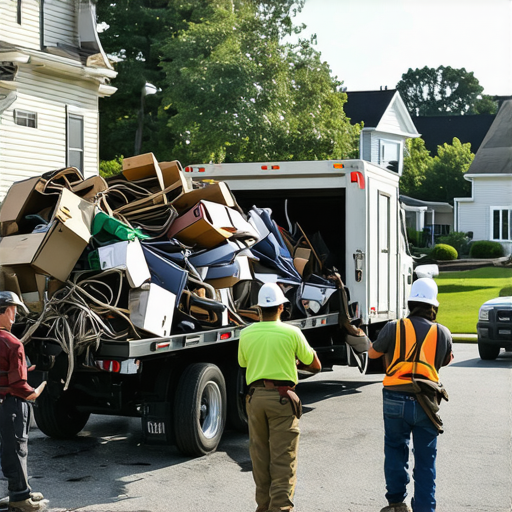
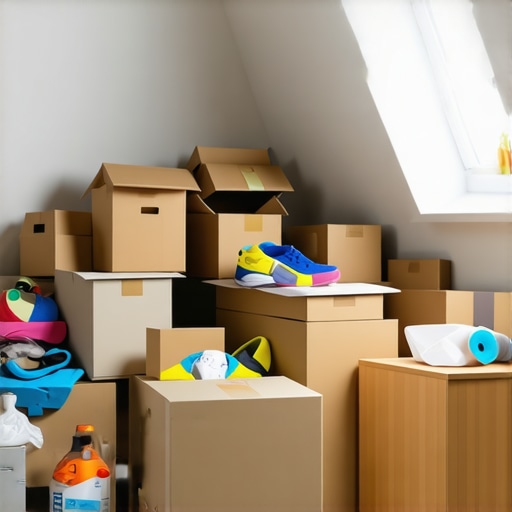
Attic junk disposal in Aurora involves complex logistical challenges including structural weight limits, thermal hazards, and specific local disposal regulations at the Denver Arapahoe Disposal Site. Professional removal experts evaluate the load bearing capacity of ceiling joists and the volumetric density of debris before a single box moves. I once cleared a house where the junk was not just stuff. It was a structural hazard. We found the floor joists were bowing under the weight of 40 years of newspapers that had absorbed ten years of basement humidity. The attic had become a ticking clock. The cellulose fibers had expanded. The pressure on the plaster below was immense. This is the reality of long-term storage in the Colorado climate. Heat cycles in Aurora attics can reach 140 degrees Fahrenheit. This degrades plastics. It makes old furniture brittle. It turns forgotten chemicals into volatile gasses. We don’t just lift. We inspect. Every. Single. Item. The smell of old paper and dust filled the air. My crew wore respirators. We had to reinforce the pull-down ladder. It was a logistical nightmare.
“Waste is merely a resource in the wrong place; professional removal is the science of putting it back where it belongs.” – Disposal Industry Maxim
The physics of attic load management
Calculating the cubic yardage of an attic cleanout requires measuring the height of the roof peak against the available floor space while accounting for the pitch of the rafters. Most homeowners underestimate volume by forty percent. A standard 15-yard truck holds exactly that. Fifteen cubic yards. If your junk is not cubed out properly, you pay for air. We use the tetris method. We break down furniture. We stack flat. We fill every void. This is not just hauling. This is spatial optimization. In Aurora, the cost of disposal is tied to weight and volume at the transfer station. Heavy materials like old shingles or stacks of magazines require weight-based pricing. Light debris like empty boxes and old clothes are volume-based. Mixing them improperly increases your bill. The truck suspension tells the truth. We watch the leaf springs. They never lie. We avoid wasted space. We minimize trips. This saves fuel. This reduces the carbon footprint of your cleanout.
Why your Aurora attic is a structural time bomb
Structural integrity in residential attics is often compromised by the over-accumulation of heavy furniture and old appliances that exceed the original engineering specifications of the home. Most Aurora homes built in the 1980s used engineered trusses. These are meant for tension. They are not meant for storage. Adding a thousand pounds of old electronics changes the load path. It stresses the fasteners. We have seen drywall cracks in the floor below. We have seen doors that will not close because the attic is too heavy. We must move quickly but carefully. One wrong step between the joists and a boot goes through the ceiling. The insulation hides the danger. We find old electrical wires. We find pest nests. We find asbestos in some older Aurora properties near the city center. This requires specialized handling. Safety is the only priority.
| Material Type | Typical Weight (lbs/cu yd) | Disposal Method |
|---|---|---|
| Loose Household Junk | 250 | Landfill/Transfer |
| Old Magazines/Paper | 600 | Recycling Center |
| Mixed Furniture | 350 | Donation/Landfill |
| E-Waste | 800 | Certified Recycler |
The hidden chemistry of old insulation and debris
Chemical leaching from old batteries and degrading plastics in unconditioned attic spaces creates a hazardous environment that requires specific PPE and ventilation protocols. Lead-acid batteries left in the heat will leak. The acid eats through wood. It enters the air. We find old paint cans. They are rusted. The lids are loose. In Aurora, we must transport these to the household hazardous waste collection site. We cannot throw them in the general bin. It is illegal. It is dangerous. It causes landfill fires. We take this seriously. Every load is manifested. We track where it goes. Your liability ends when we take possession. If you hire a guy with a truck and he dumps your stuff on a dirt road near Buckley Space Force Base, you are responsible. The police find your mail. They find your name. They find you. Professional service protects your reputation.
“The management of solid waste is a critical component of public health and environmental protection in modern urban settings.” – SWANA Technical Report
Items your hauler cannot legally touch
Federal and state laws prohibit the transport of certain hazardous materials without specific licensing and specialized containment equipment. If we find these items, we provide guidance on proper disposal. We do not ignore them. We do not hide them.
- Leaking lead-acid batteries
- Pressurized propane or oxygen tanks
- Liquid solvents and oil-based paints
- Biohazardous waste or medical needles
- Active pest infestations requiring fumigation
- Explosive materials or ammunition
The logistics of furniture removal from tight spaces
Navigating heavy furniture through narrow Aurora staircases involves calculating the pivot point and the swing radius of each piece to prevent structural damage. We do not just drag. We lift. We use straps. We use dollies. Some items must be dismantled. An old dresser is heavy. A mattress is awkward. We manage the weight. We protect the walls. The narrow hallways of older homes in the Hoffman Heights neighborhood are particularly difficult. We plan the route. We clear the path. We move with precision. This is a science. The friction of the carpet matters. The height of the door frame matters. We measure twice. We move once. The truck is waiting. The clock is ticking. Efficiency is everything.
E-waste and the digital graveyard in your home
Electronic waste contains heavy metals like cadmium and lead that require specialized dismantling and recycling to prevent environmental contamination in the Colorado watershed. Your old CRT television is a box of poison. It has four to eight pounds of lead. We do not throw this in the trash. We take it to a certified e-waste processor. They shred it. They separate the glass from the metal. They recover the copper. This is part of the circular economy. We focus on diversion. We want to keep as much as possible out of the landfill. The Aurora municipal guidelines are strict. We follow them to the letter. We value the environment. We value the future of the local community.
The heavy cost of keeping everything
Hoarder clean out in Aurora requires a psychological and logistical approach that balances speed with the sensitivity of the situation. It is not just junk. It is a history. But it is also a fire risk. It is a trip hazard. We clear the exits first. We establish a staging area. We sort into three piles. Keep. Donate. Trash. Most of the trash in an attic is degraded beyond use. The heat has won. The dust has won. We remove the burden. We give the space back to the homeowner. The house breathes again. The air clears. The weight is gone. We finish the job. We sweep the floor. We close the hatch. The truck pulls away. The load is secure. It is time to hit the scales.