The hidden physics of a residential collapse
I smell like diesel and hydraulic fluid before the sun hits the horizon in Aurora. My hands carry the grit of a thousand 15-yard dumpsters. I once cleared a house where the junk was not just stuff. It was a structural hazard. We found the floor joists were bowing under the weight of 40 years of newspapers that had absorbed ten years of basement humidity. The paper had turned into a solid, damp block of cellulose with the density of wet concrete. Every step we took on that floor felt like walking on a trampoline made of rotting wood. We had to shore up the basement with steel jacks before we could even begin the removal process. This is the reality of waste management that the amateurs never see. They think it is about lifting boxes. It is actually about understanding the structural load limits of a 1970s suburban home and the precise chemical breakdown of neglected materials.
“Waste is merely a resource in the wrong place; professional removal is the science of putting it back where it belongs.” – Disposal Industry Maxim
The anatomy of a residential collapse
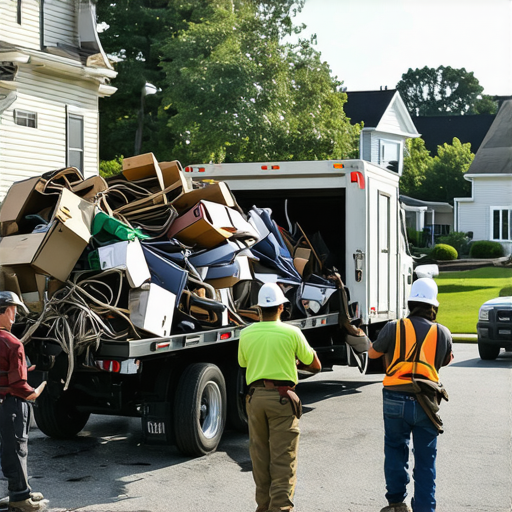
Hoarder Clean Out aurora services require a specialized understanding of biohazard mitigation, structural integrity, and volumetric logistics. We do not just toss items into a truck; we perform a forensic sort to separate municipal solid waste from hazardous materials and recoverable assets. In Aurora, the high plains humidity and rapid temperature swings can accelerate the decomposition of organic materials trapped in a hoard. This creates a toxic soup of mold spores and ammonia. When we enter a site, we are looking for the exit path of every cubic foot of material. We calculate the compaction ratio of every load to ensure the 15-yard truck is cubed out correctly. This means no air gaps. Air gaps are a waste of fuel and a waste of the customer’s money. We use the tetris method, placing heavy, flat items like old doors and plywood at the bottom to create a false floor, then packing smaller debris into the voids.
Why your garage is a logistics failure
Garage clean outs in Aurora often reveal the accumulation of deferred decisions and environmental liabilities like old lead-acid batteries or petroleum distillates. Most homeowners treat the garage as a temporary waypoint for items destined for the landfill, but without a disposal manifest, it becomes a graveyard. The concrete floor of an Aurora garage often hides the evidence of leaking fluids that require remediation. We see the white efflorescence on the walls and the oil stains that have penetrated three inches deep. When we perform a garage clean out, we are not just moving boxes. We are clearing a path for the structural safety of the home. We inspect every gallon jug. A single half-full container of old pool chemicals mixed with household cleaners can create a chlorine gas event in the back of a packer truck. We prevent that through rigorous sorting protocols.
The mathematics of the cubic yard
Dumpster Rentals Aurora customers often fail to realize that weight limits are more important than volumetric capacity when dealing with construction debris or dense aggregates. A 20-yard dumpster can hold 20 cubic yards of feathers, but it cannot hold 20 cubic yards of broken concrete without snapping the axles of the roll-off truck. In Aurora, the tipping fees at the local transfer stations are calculated by the ton, not the yard. If you fill a bin with wet sod and concrete, you are looking at a heavy weight surcharge that will dwarf the initial rental cost. We advise clients on the density-to-volume ratio. For example, old drywall has a high volume but low density until it gets wet, at which point its weight triples. Understanding these physics is how we keep projects on budget. While most people think recycling is always better, the carbon footprint of hauling low-grade plastics 500 miles often exceeds the impact of local, high-efficiency waste-to-energy incineration. We focus on diversion rates that actually make sense for the Aurora ecosystem.
| Material Type | Decomposition Time (Years) | Disposal Method | Toxicity Level |
|---|---|---|---|
| Corrugated Cardboard | 1 | Recycle | Low |
| Untreated Wood Waste | 10-15 | Mulch/Fuel | Low |
| Polyurethane Foam | 500+ | Landfill | Medium |
| Lead-Acid Batteries | Infinite | Hazardous Recovery | High |
| E-Waste (CRT) | Infinite | Certified Shredding | High |
The physics of heavy loads
Furniture Removal involves the mechanical advantage of leverage and pivot points to navigate narrow hallways without compromising the building envelope. Modern disposable furniture made of particleboard and formaldehyde-based resins often loses its structural integrity the moment it is moved. It is designed to be built once and stay put. When we remove these items in Aurora, they often disintegrate. This creates a mess of fine sawdust and plastic laminate that must be swept and bagged. In contrast, antique solid oak furniture presents a density challenge. A single dresser can weigh 300 pounds. Moving that down a flight of stairs requires a team that understands center of gravity and the tensile strength of the straps. We do not use our backs; we use the physics of the incline plane. We see the furniture as a 3D puzzle that must be solved in reverse.
Chemical ghosts in the kitchen
Appliance removal is a regulated process involving the recovery of refrigerants and the reclamation of ferrous metals to meet EPA Section 608 standards. You cannot just throw a refrigerator in the trash. It contains Freon or R-134a, which are potent greenhouse gases. In Aurora, we track every unit. We ensure the compressor is tapped and the gas is evacuated into a certified cylinder before the steel shell is sent to the shredder. Old washing machines are a gold mine of grade-A steel and copper windings, but they are also a logistical nightmare due to the concrete counterweights used to stabilize the drum. We know which brands use sand-filled weights and which use solid concrete. This knowledge allows us to prep the load for the scrapyard and maximize the recovery value for our operations.
“Modern waste streams are complex chemical cocktails that require professional intervention to prevent environmental degradation.” – Solid Waste Association of North America
Legal traps of the curbside cowboy
Junk Removal Aurora markets are flooded with unlicensed haulers who offer low prices but leave a trail of liability for the homeowner. A business owner tried to save €500 by hiring a guy with a pickup truck from a social media ad. Two weeks later, the police called him because his company’s confidential files were found in a ditch. Your junk is your liability until it hits the scale and a disposal receipt is issued. In Aurora, illegal dumping is a serious offense that can lead to massive fines. If your hired hauler dumps your old tires or hazardous household waste in a local creek, the paper trail leads back to you. We provide a chain of custody for every load. We use GPS-tracked fleets to ensure that every pound of waste reaches its designated transfer station or recycling center. This is the insurance you pay for when you hire professionals.
- Lithium-ion batteries (fire hazard in trucks)
- Pressurized cylinders (propane, oxygen, fire extinguishers)
- Wet paint and liquid industrial solvents
- Asbestos-containing materials (requires abatement)
- Radioactive materials (smoke detectors in bulk)
- Medical waste and sharps
The Aurora tipping fee reality
Junk Removal costs in the Aurora region are dictated by the operational overhead of local landfills and the fuel surcharges associated with heavy equipment. The distance to the Denver Regional Landfill or the specific transfer stations near E Jewell Ave determines the efficiency of a route. If we get stuck in a 45-minute queue at the scale house, that is labor time that must be accounted for in the bid. We calculate cycle times with the precision of a Swiss watch. We know that a furniture removal job in a high-rise apartment will take three times as long as a garage clean out due to elevator wait times and load-out constraints. We also account for the BTU potential of recovered wood waste, which sometimes goes to regional biomass plants. We are constantly looking for ways to lower the tipping floor costs by improving our on-site sorting. The more we sort, the less we pay at the gate, and those savings are passed to the customer. We are not just haulers; we are waste flow optimizers. The final manifest of any job is a record of environmental responsibility. We ensure that your space is reclaimed and your conscience is clear. The heavy cost of keeping everything is not just in the square footage lost, but in the mental weight of the clutter. We lift both.