
The structural cost of a lifetime of keeping
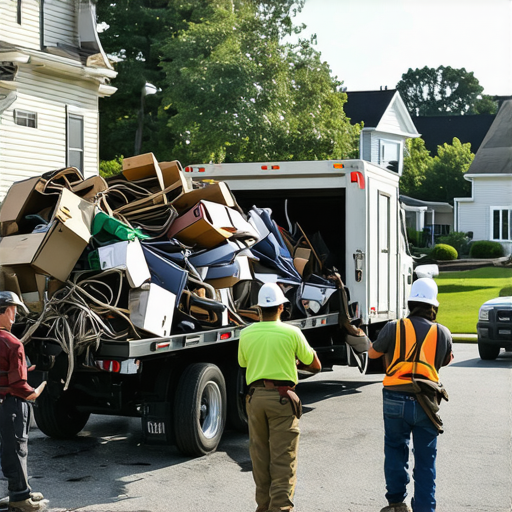
Hoarder clean out aurora services deal with more than just clutter; they manage a logistical and physical load that can reach 40,000 pounds in a single residential floor. I once cleared a house where the junk was not just stuff. It was a structural hazard. We found the floor joists were bowing under the weight of 40 years of newspapers that had absorbed ten years of basement humidity. The air smelled of wet cellulose and hydraulic fluid from my trucks. I stood there watching the floor flex like a trampoline under my boots. Every step was a gamble with gravity. This is not a situation for a weekend warrior with a sedan. It is a high-stakes engineering project. When you face a hoard, you are looking at thousands of cubic yards of potential debris that must be quantified, sorted, and hauled without collapsing the very foundation of the home. The physics of weight distribution is the difference between a successful junk removal aurora project and a total structural failure. We calculate the load capacity of every stairwell before we move a single heavy dresser. If the density of the debris exceeds 50 pounds per square foot, the risk of a pancake collapse increases. This is the reality of waste management at the extreme edge.
The safety perimeter of the home
Junk removal starts with a hard line in the dirt regarding physical safety and environmental health. You must establish that any area containing biohazardous material, such as animal waste or rotted organic matter, is off-limits until professional remediation occurs. This is the first boundary. If my crew cannot walk into a room without a respirator and Tyvek suit, the homeowner does not get to dictate the pace of sorting. We follow the Resource Conservation and Recovery Act standards for a reason. Hazardous materials like old lead-acid batteries or leaking cans of oil-based paint create a liability trail that leads back to the property owner. Professional junk removal aurora specialists focus on the ‘tetris’ of the load, but safety comes before the truck is even put in gear. I have seen rookies lose their eyebrows because a customer hid a propane tank inside a pile of yard waste. We do not just lift. We inspect every single item for chemical stability and weight density. This prevents truck fires and equipment failure at the landfill scale. Waste is a science, and the laboratory is your cluttered living room.
“Waste is merely a resource in the wrong place; professional removal is the science of putting it back where it belongs.” – Disposal Industry Maxim
The arithmetic of a full load
Dumpster rentals Aurora homeowners often underestimate the volumetric displacement of their belongings compared to the actual weight of the materials. A 20-yard dumpster can hold roughly 2 to 3 tons of household debris, but if you fill it with appliance removal items or concrete, you will exceed the legal road weight in minutes. Furniture removal is particularly deceptive because of ‘void space.’ A sofa takes up 2 cubic yards but is mostly air. My job is to minimize that air. We break down frames and compress cushions to ensure the client is not paying to transport oxygen. The efficiency of a haul is measured in ‘cubing out’ the box. If there is a gap the size of a shoebox in my truck, that is wasted fuel and lost profit. We calculate tipping fees based on tonnage, so every pound of wet wood or old carpet matters to the bottom line. In Aurora, the transfer stations are strict about load separation. If we mix electronics with general municipal solid waste, the fine is higher than the profit from the job. Precision is the only way to survive in this industry.
Five lines you cannot let a hoarder cross
Hoarder clean out aurora projects fail when boundaries become suggestions. The first boundary is the ‘Safety First’ rule, which dictates that no one enters the site without PPE if air quality is compromised. The second boundary is the ‘Non-Negotiable Disposal’ list, covering items that are clearly trash, such as food scraps or saturated cardboard. The third boundary involves the ‘Sorting Clock’ where we limit the time spent on any single object to sixty seconds. If a decision is not made, it goes to the donation pile or the truck. The fourth boundary is the ‘Clear Path’ requirement, ensuring that all exits remain unobstructed during the entire garage clean outs process. The fifth boundary is the ‘Finality Clause’ which states that once an item touches the bed of my truck, it is legally considered waste and cannot be retrieved. This prevents the back-and-forth emotional drain that stalls progress and inflates labor costs. We are there to move mass, not to litigate the sentimental value of a 1994 telephone directory.
| Material Type | Average Weight (lbs/cu. yd) | Decomposition Time | Disposal Difficulty |
|---|---|---|---|
| Loose Paper | 300 | 2-6 Weeks | Low |
| Mixed Furniture | 250 | 10-50 Years | Medium |
| Major Appliances | varies | Never (Metal) | High (Hazmat) |
| Wet Drywall | 500 | Variable | Medium |
The hidden chemistry of appliance removal
Appliance removal is a matter of federal law and chemical management. Old refrigerators contain R-12 or R-134a refrigerants that must be recovered by a certified technician under EPA Section 608. You cannot simply toss a freezer into a dumpster and hope for the best. The compressors are pressurized vessels that can explode if sheared by a hydraulic ram on a garbage truck. When we handle junk removal in Aurora, we track the manifest of every cooling unit. We also deal with the polychlorinated biphenyls (PCBs) found in older microwave transformers and capacitors. These are toxic legacy chemicals that do not belong in a standard landfill. My team knows the difference between a high-efficiency modern unit and a vintage relic that is essentially a hazardous waste bomb. We strip the copper and steel for recycling only after the harmful gases are safely vacuumed into recovery tanks. This is how we maintain a high diversion rate and keep the local Illinois environment from being poisoned by backyard scrap operations.
The logistical reality of garage clean outs
Garage clean outs often represent the highest density of dangerous materials in a residential setting. People treat garages like a purgatory for things they do not know how to discard. We find old fertilizers, pool chemicals, and half-used gallons of gasoline. Mixing these in the back of a truck is a recipe for a chemical reaction that can melt the hydraulic lines. The logistics manager in me hates the ‘nested’ hoard, where boxes are inside bins which are inside larger crates. It obscures the true volume of the job. We approach a garage like a demolition site. We clear the center to create a staging area, then work the perimeter. We use 15-yard dumpsters for heavy debris like tools and spare parts because 30-yard bins become too heavy to lift once they are half-full of steel. In Aurora, municipal bulky item pickup has limits. If you have twenty tires and five car batteries, the city will leave them on the curb. That is where we come in. We ensure every tire is hauled to a specialized processor where it can be turned into rubberized asphalt or playground mulch.
- Lead-acid batteries (Fire hazard and toxic)
- Propane tanks (Explosion risk)
- Wet oil-based paint (Liquid waste prohibited)
- Asbestos-containing materials (Special permit required)
- Biohazardous waste (Medical or animal)
- Industrial chemicals or pesticides
The legal liability of your waste
Junk removal aurora is not just about clearing space; it is about transferring the chain of custody for your property. A business owner once tried to save money by hiring a guy with a pickup truck from a social media ad. Two weeks later, the police called him because his company confidential files were found in a ditch. Your junk is your liability until it hits the scale and you receive a tipping receipt. When you hire a professional service, you are buying a legal shield. We carry high-limit liability insurance because things go wrong. A heavy oak desk can slip on a hardwood floor. A pipe can burst if an appliance is pulled too aggressively. If your ‘cheap’ hauler gets hurt on your property and does not have workers’ compensation insurance, you are the one who pays the medical bills. We operate with a transparency that curbside cowboys cannot match. Every ton we haul is documented and every disposal site is vetted for compliance with state and federal environmental laws.
“Modern waste management is the invisible infrastructure that prevents the collapse of urban health.” – SWANA Technical Manual
The carbon footprint of disposal
While most people think recycling is always better, the carbon footprint of hauling low-grade plastics 500 miles often exceeds the impact of local high-efficiency waste-to-energy incineration. We look at the total life cycle of the debris. In the Aurora area, we utilize local transfer stations that prioritize material recovery. We sort metal, wood, and clean cardboard because it reduces the tipping fee and helps the environment. However, we are realistic about contaminated materials. If a hoard of old magazines has been soaked in cat urine, it cannot be recycled. The ammonia has compromised the fibers and the health risk to workers at the MRF (Material Recovery Facility) is too high. That material goes straight to the landfill. We maximize the ‘payload density’ to reduce the number of trips. Every trip saved is ten gallons of diesel not burned. Efficiency is not just about profit; it is about the responsible management of the heavy-duty machinery required to keep our communities clean and safe.