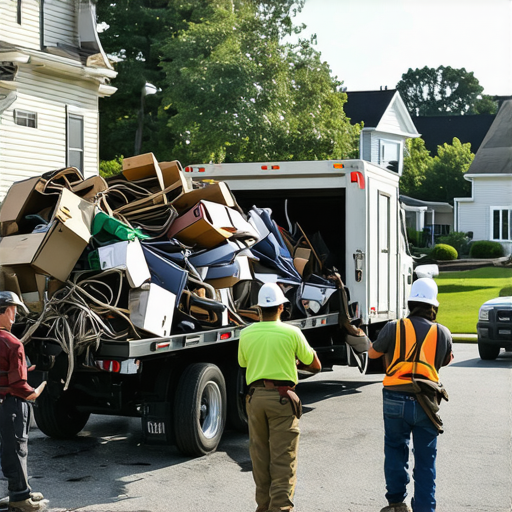
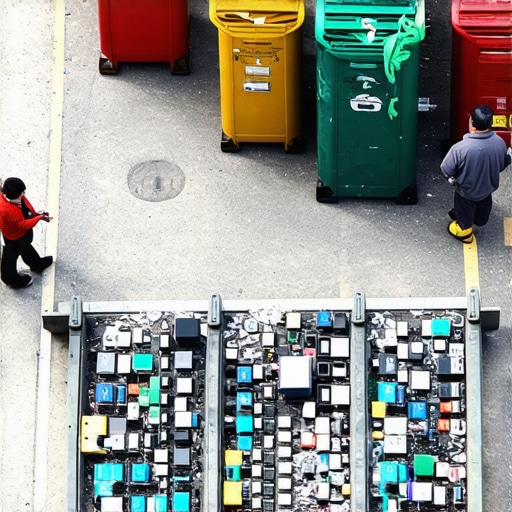
The smell of diesel and hydraulic fluid defines my mornings. Most residents in Aurora see a pile of old computers and monitors as a simple weekend chore. I see a complex logistical equation involving heavy metal toxicity and fire risk. I watched a rookie almost lose his eyebrows because a customer hid a half-full propane tank inside a pile of harmless yard waste. We do not just lift. We inspect. Every. Single. Item. Your junk is your liability until it hits the scale at the transfer station. This is the reality of waste management. Professionals do not just haul stuff away. We manage the transition of materials from your private space back into the industrial cycle. Failure to respect this process leads to environmental fines and physical injury.
The invisible toxins in your basement
E-waste contains hazardous materials like lead, mercury, and cadmium that require specialized disposal in Aurora. These toxins leak into the groundwater if electronics are crushed in standard trash compactors. Professional junk removal services ensure these items reach certified R2 or e-Stewards recycling facilities instead of local landfills. When you look at an old CRT monitor, you see a heavy glass box. I see four to eight pounds of lead. That lead is meant to shield users from X-rays, but in a landfill, it becomes a mobile pollutant. The glass is often coated with phosphor dust. If the tube shatters in your garage, you are breathing in a cocktail of neurotoxins. This is why standard trash pickup refuses these items. The physical labor of moving a 200-pound television is only the beginning. The real work is the chemical segregation. We must isolate the lithium-ion batteries found in laptop shells. These batteries are prone to thermal runaway. A single puncture from a shifting load can ignite a fire that reaches 1,000 degrees Fahrenheit. Water will not put it out.
Why your cheap hauler is a legal time bomb
Unlicensed junk haulers often bypass Aurora tipping fees by dumping your materials in ditches or empty lots. Since your personal information is likely inside those boxes, the city tracks the waste back to you. You remain legally responsible for the cleanup costs and associated environmental penalties. I have seen business owners try to save five hundred dollars by hiring a guy with a pickup truck from a social media ad. Two weeks later, the police called because his confidential files were found in a creek. Every load must have a paper trail. When we take a load to the Aurora transfer station, we receive a weight ticket. That ticket is your insurance. It proves the material entered a regulated stream. The cubic-yard density of a load determines the cost. If a hauler does not understand how to cube out a truck, they are either losing money or cutting corners. They might leave your old refrigerator in a field after stripping the copper. That leaves you vulnerable to fines for illegal hazardous waste disposal.
“Waste is merely a resource in the wrong place; professional removal is the science of putting it back where it belongs.” – Disposal Industry Maxim
The physics of the hoarder clean out
Managing a hoarder clean out in Aurora requires calculating the structural load limits of residential flooring and the angle of repose for loose debris. Compressed paper and saturated textiles can weigh three times more than dry furniture, potentially collapsing floor joists during the removal process. A house is not a warehouse. When someone packs a room from floor to ceiling with newspapers, they are adding thousands of pounds of static load. I have walked into basements where the floor joists were bowing under the weight of forty years of archives. If those papers get damp from a small pipe leak, the weight doubles. We use 15-yard or 20-yard trucks for a reason. Axle weight limits are strict. A truck that is over-indexed for weight is a danger to every driver in Aurora. We calculate the volume of the furniture removal and the weight of the appliance removal separately. A refrigerator is bulky but relatively light compared to a stack of wet carpet. We pack the heavy stuff at the bottom to maintain a low center of gravity. This is the Tetris of the trade.
| Material Type | Decomposition Time | Recovery Potential |
|---|---|---|
| Corrugated Cardboard | 3 Months | 95 Percent |
| Aluminum Cans | 200 Years | 100 Percent |
| Lithium Batteries | Indefinite | High (Cobalt/Nickel) |
| Plastic Furniture | 450 Years | Low |
| CRT Glass | 1 Million Years | Medium (Lead) |
The heavy truth about appliance disposal
Appliance removal involves the recovery of refrigerants like Freon, which are potent ozone-depleting substances regulated under federal law. Professionals must evacuate these gases using specialized equipment before the metal shell can be processed for scrap in Aurora recycling centers. Old fridges are not just scrap metal. They are pressurized systems. If you hack the lines with a pair of bolt cutters to make the unit lighter, you are releasing CFCs. The EPA takes this seriously. We use certified recovery tanks. Once the gas is out, we look at the BTU potential of the insulation foam. Some modern plants can incinerate this foam to generate electricity, but most ends up in the landfill. The copper coils are the prize. A single central air unit contains enough copper to pay for a portion of the tipping fee. We pass that value back to the customer through transparent pricing. If your hauler does not mention refrigerant recovery, they are violating the Clean Air Act.
The ghost in the garage
Garage clean outs often reveal forgotten hazardous household waste including old paint, pesticides, and pool chemicals that standard Aurora trash services cannot accept. These items require stabilization and transport to a household hazardous waste facility to prevent chemical reactions during transit. People forget what they have. I once found a gallon of muriatic acid sitting next to a rusted can of bleach. If those two leak and mix in the back of my truck, I have a chlorine gas cloud in the middle of a residential street. We pre-sort every garage pile. We look for the symbols on the bottles. If it is flammable, corrosive, or reactive, it goes into a separate spill-proof bin. This is the information gain most people ignore. While recycling is popular, the carbon footprint of hauling low-grade plastics 500 miles often exceeds the impact of local, high-efficiency waste-to-energy incineration. Sometimes, the most eco-friendly choice is controlled thermal destruction rather than shipping plastic to a country that will just dump it in the ocean.
“The Resource Conservation and Recovery Act (RCRA) creates the framework for the proper management of hazardous and non-hazardous solid waste.” – EPA Regulatory Guide
- Lead-acid car batteries
- Propane and oxygen tanks
- Unlabeled liquid chemicals
- Asbestos-containing insulation
- Medical sharps and biohazards
- Ammunition and explosives
The math of modern pricing
Junk removal pricing is based on the volume of the truck occupied and the total weight of the debris. In Aurora, disposal rates are calculated by the ton, meaning heavy materials like concrete or shingles cost significantly more than loose household furniture. We talk in cubic yards. A standard pickup truck bed holds about 2.5 cubic yards if you pile it high. Our trucks hold six times that. When we quote a price, we are estimating how much of that 15-yard space you will fill. If you have a pile of concrete from a patio demolition, we can only fill the truck a quarter of the way. If we fill it to the top, the tires will pop. The weight of concrete is roughly 4,000 pounds per cubic yard. The truck can only handle 8,000 pounds of payload. That is two cubic yards. Understanding this math is what separates a professional from a guy who breaks his transmission on your driveway. We use ramps and dollies to protect your property. We know the load-bearing capacity of your driveway asphalt. On a hot Aurora summer day, a heavy truck can sink right through your pavement if we do not use outrigger pads.