Vertical space as a logistical trap
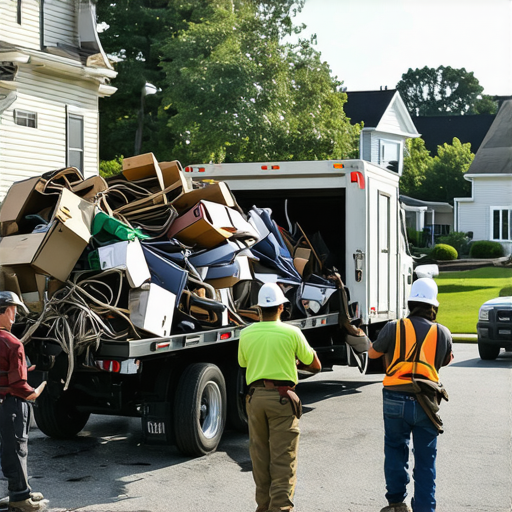
Garage clean outs in Aurora require a specialized understanding of vertical volume and structural load limits. High shelves and rafters often hide dense, heavy materials that have shifted over decades. Clearing these spaces involves calculating the center of gravity for every container before it leaves the support of the joist. I smell the diesel exhaust from the truck idling at the curb. I see the wasted air space in the back of a poorly packed 15-yard container. To a logistics manager, that empty space is lost revenue. To a homeowner, those rafters are a ticking clock of structural fatigue. I once watched a rookie almost lose his eyebrows because a customer hid a half-full propane tank inside a pile of harmless yard waste. We do not just lift. We inspect. Every. Single. Item. This is the reality of waste management in Aurora. You are not just moving boxes. You are managing a high-risk logistical operation. The rafters of a standard Aurora garage are usually constructed of 2×4 or 2×6 pine. These members were never designed to hold the dead weight of 500 pounds of old car parts or stacks of water-damaged National Geographic magazines. Over time, the wood fibers compress. The nails pull. The entire system prepares to fail. When we arrive for a garage clean out Aurora project, the first thing we do is assess the integrity of the overhead storage. We look for bowing. We look for signs of moisture. We look for the presence of pests that weaken the wood. It is a science of weight distribution. If you pull the wrong box from a shelf, you might trigger a cascading structural failure. This is why professional junk removal Aurora services focus on the physics of the lift as much as the disposal itself.
The structural limits of standard residential rafters
Residential rafters are engineered for tension and compression under roof loads, not for the suspension of heavy household goods. Most Aurora homes built in the last thirty years use gang-nail wood trusses. These trusses are precision-engineered. Altering their load profile by stacking heavy furniture creates a risk of ceiling collapse. The load must be removed in a specific sequence to prevent the sudden release of tension. We start at the center and work toward the load-bearing walls. This prevents the roof line from shifting. We use telescoping ladders with wide feet to distribute the weight on the concrete floor. The concrete floor itself is another variable. In Aurora, the fluctuating temperatures can cause floor slabs to heave or crack. Placing a heavy dumpster on a thin driveway slab without plywood shoring is a recipe for property damage. We calculate the PSI. We understand the limits.
“Waste is merely a resource in the wrong place; professional removal is the science of putting it back where it belongs.” – Disposal Industry Maxim
Hidden hazards in the high shelves
Rafter storage is the primary location for forgotten hazardous materials like old pool chemicals, lead-acid batteries, and volatile organic compounds. These items react to the extreme temperature swings found in uninsulated Aurora garages. A leaking container of muriatic acid can eat through a shelf and create a toxic cloud. We treat every high shelf as a potential hazmat site. We look for the tell-tale white powder of oxidized batteries. We check for the oily sheen of spilled lubricants. The Resource Conservation and Recovery Act (RCRA) dictates how we must handle these materials. You cannot simply throw a car battery into a general waste stream. It is a federal violation. It is also a fire hazard. Lithium-ion batteries hidden in old power tools are the leading cause of fires in garbage trucks today. We identify. We segregate. We transport to the appropriate Aurora hazardous waste facility. This is not about being difficult. This is about preventing a chemical fire in the middle of a residential street.
Volume math for Aurora junk removal
Cubic yard density determines the cost and efficiency of any junk removal project. A 15-yard dumpster has a finite capacity. If you throw items in haphazardly, you pay to haul air. Professional haulers use the Tetris method to maximize the density of the load. We break down furniture. We crush boxes. We stack flat items against the walls of the container. We ensure the heavy items are on the bottom to keep the truck’s center of gravity low. This is essential for safety on the roads of Aurora, especially when navigating the wind-swept stretches near the highway. A top-heavy load is a dangerous load. We calculate the weight. We know the tipping fees at the Denver Regional Landfill. We know how to minimize your costs by maximizing our efficiency.
| Material Type | Weight per Cubic Yard (Lbs) | Disposal Logic |
|---|---|---|
| Loose Household Junk | 250-300 | Standard Landfill |
| Construction Debris | 1,000-1,500 | Heavy Material Fee |
| Old Lumber (Dry) | 400-600 | Recyclable Wood Waste |
| Appliance removal | Varies by Unit | Scrap Metal Recovery |
| Furniture Removal | 150-400 | Donation or Landfill |
Legal disposal paths for hazardous attic waste
The law is clear regarding what can and cannot enter the municipal waste stream. Many items found in garage rafters are prohibited from standard landfills. Ignoring these rules leads to heavy fines and environmental damage. You are legally responsible for your waste until it is processed at a licensed facility. If you hire a guy with a truck and he dumps your old paint in a ditch, the EPA can trace that back to you. We provide a paper trail. We ensure every item follows the legal path.
- Lead-acid batteries
- Propane tanks and pressurized cylinders
- Wet paint and solvents
- Ammunition and explosives
- Biohazardous materials
- Asbestos-containing materials
- Industrial chemicals
The reality of the Aurora transfer station
Transfer stations in the Aurora region operate on strict weight and material guidelines. They do not accept commingled hazardous waste. Every load is inspected by a spotter who looks for prohibited items. If a load is rejected, the costs double. We maintain a relationship with the operators. We know what they expect. We know the peak hours to avoid long lines. This local knowledge saves time and money. While many believe that recycling is always the superior option, the carbon footprint of transporting low-grade plastics hundreds of miles often exceeds the benefit. We focus on high-impact recovery. We target metals and clean wood. We prioritize the local economy.
Why your cheap hauler is a legal time bomb
Low-cost junk removal services often bypass legal disposal sites to avoid tipping fees. This practice is known as fly-tipping. It destroys local ecosystems and shifts the cleanup cost to the taxpayer. A professional service has insurance. We have licenses. We have the equipment to handle heavy loads without damaging your property. We don’t just dump. We document. When we perform a hoarder clean out Aurora, the volume of material is staggering. It requires a fleet. It requires a plan. It requires a team that understands the psychological and logistical complexity of the task.
“The professional waste manager sees the world not as a collection of things, but as a flow of materials requiring constant stewardship.” – SWANA Guidelines
Navigating the logistics of appliance removal
Appliance removal from a garage or high shelf involves more than just muscle. It requires the proper equipment to manage the weight without injuring the crew or damaging the floor. Refrigerants like Freon must be recovered by a certified technician. You cannot simply vent these gases into the atmosphere. It is a violation of the Clean Air Act. We handle the recovery. We handle the transport. We ensure the metal is recycled. This is the difference between a junk man and a waste strategist. We see the entire lifecycle of the object. We know the BTU potential of the wood. We know the scrap value of the copper. We optimize the exit. The floor snapped. That is the sound you never want to hear during a garage clean out. It happens when an amateur tries to move a heavy safe or an old refrigerator across an unsupported floor. We avoid this by using load-bearing paths. We use high-grade plywood to create a temporary floor. We protect your investment. The rafters are cleared. The shelves are empty. The truck is packed tight. No air is being hauled today. This is the science of junk removal Aurora. It is precise. It is dangerous. It is necessary. Article Schema: { “@context”: “https://schema.org”, “@type”: “Article”, “headline”: “Garage Clean Outs: Clearing Rafters and High Shelves”, “author”: { “@type”: “Person”, “name”: “Veteran Waste Strategist” }, “description”: “Expert guide on the logistical and structural challenges of clearing high-altitude storage in Aurora garages.”, “publisher”: { “@type”: “Organization”, “name”: “Professional Junk Removal Services” } }