The hidden logistics of corporate relocation in Aurora
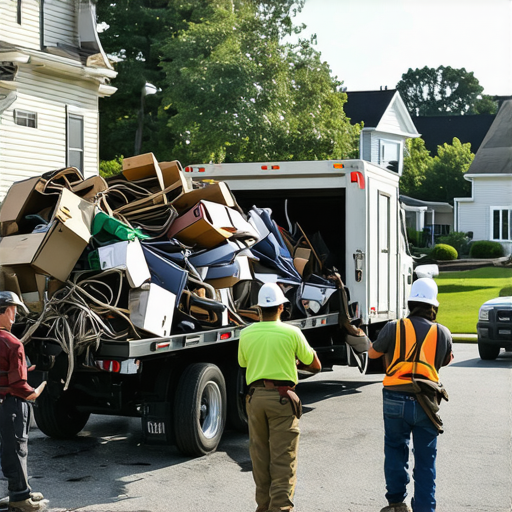
I smell diesel and hydraulic fluid when I wake up. For twenty five years, I have lived the life of a waste management strategist. I see things others ignore. A business owner once tried to save five hundred dollars by hiring a guy with a pickup truck from a social media ad to handle their office transition. Two weeks later, the local police called him because his company confidential files were found in a ditch near Cherry Creek. Your junk is your absolute liability until it hits the scale at the transfer station. In the commercial world, there is no such thing as out of sight, out of mind. Every desk, every old server, and every broken chair has a chain of custody that must be respected or it will haunt your balance sheet. In Aurora, the logistics of a cleanup require more than just muscle. They require a deep understanding of municipal code and material recovery. Commercial junk disposal involves the systematic removal and ethical disposal of office assets during relocations or liquidations. Effective cleanups in Aurora require specialized heavy load trucks, adherence to Colorado e-waste laws, and precise cubic yard density planning to minimize tipping fees and environmental impact at regional landfills.
The phantom liability of business relocation
Corporate liability in waste management persists until the final disposal manifest is signed and filed with the appropriate authorities. Business owners must ensure that every piece of equipment, from old laptops to industrial printers, is processed through certified channels to avoid heavy fines and catastrophic data breaches during relocations. When you move an office, you are not just moving furniture. You are managing a legacy of material consumption. Most people look at a pile of old cubicle walls and see trash. I see a logistical puzzle that involves steel reclamation, fabric recycling, and the potential for RCRA violations. If you leave a single lead acid battery from a UPS system in the bottom of a bin, you are looking at hazardous waste transport violations. The floor snapped under the weight of a neglected server rack last month. This is the reality of the job. It is heavy, it is dirty, and it is governed by a thick book of regulations that most curbside haulers have never even opened. You need a strategist who knows the difference between a class three landfill and a material recovery facility. The physics of cubing out a fifteen yard truck require an intimate knowledge of how to nest furniture to eliminate air space. Every cubic inch of empty air in my truck is a dollar lost. I hate wasted space. It represents a failure of planning and a lack of respect for the client budget.
“Waste is merely a resource in the wrong place; professional removal is the science of putting it back where it belongs.” – Disposal Industry Maxim
The geometry of a successful office purge
Maximizing truck capacity through volume density calculations is the only way to control costs during a massive commercial cleanup. By breaking down modular furniture and stacking heavy materials at the base of the load, haulers can reduce the total number of trips to Aurora transfer stations significantly. The math of the dump is simple but brutal. You pay for the weight or you pay for the volume. In an office setting, most items are high volume and low weight. This is a disaster for your wallet if you do not have a professional who knows how to break down a desk. Modern office furniture is often made of low grade particle board. This stuff is the bane of my existence. It breaks if you look at it wrong and it does not have the BTU potential for clean incineration. We look for the steel. We look for the aluminum. We look for anything that can be diverted from the landfill to improve your company green profile. The Colorado Department of Public Health and Environment has strict rules about what can enter the waste stream. We follow those rules to the letter because we have seen what happens when you do not. The following table explains the density problem we face every day in the field.
| Material Category | Weight per Cubic Yard | Disposal Strategy | Recovery Value |
|---|---|---|---|
| Office Furniture (Mixed) | 250 lbs | Bulk Landfill | Low |
| Electronic Waste (E-Waste) | 450 lbs | Specialized Recycling | Moderate |
| Construction Debris (Renovation) | 2,200 lbs | Transfer Station | Low |
| Scrap Metal (Steel Frames) | 900 lbs | Metal Reclamation | High |
Hazardous leftovers in the corporate cubicle
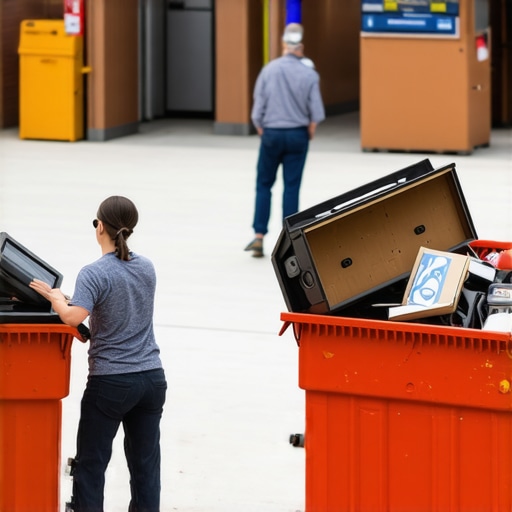
Identifying hazardous materials before they enter the truck is the most critical step in protecting both the environment and the business owner. Items like fluorescent ballasts, backup batteries, and old cleaning chemicals require specialized handling and cannot legally be mixed with general municipal solid waste. I watched a rookie almost lose his eyebrows because a customer hid a half full propane tank inside a pile of harmless yard waste during a garage clean out. In the office world, the hazards are quieter. They are in the mercury switches and the old monitors. We do not just lift. We inspect every single item. If we find a lithium battery in a bin of paper, we stop. We have to. The risk of a truck fire is too high. The Resource Conservation and Recovery Act defines how we handle these items. If a hauler tells you they can take everything in one load without looking, they are lying to you and putting your business at risk. In Aurora, the penalties for illegal disposal of hazardous materials can reach thousands of dollars per day per violation. You need a checklist to ensure your site is compliant before the trucks even arrive.
- Fluorescent light tubes and ballasts containing PCBs.
- Lead acid batteries from uninterruptible power supplies.
- Mercury containing thermostats and thermometers.
- Aerosol cans and solvent based cleaning supplies.
- Electronic waste including CRTs and flat panel displays.
- Refrigerants found in office kitchen appliances.
The Aurora disposal landscape and the transfer station reality
Navigating the Aurora waste infrastructure requires knowledge of local gate fees and the specific operating hours of regional facilities like the Denver Regional Landfill. Local regulations dictate that commercial loads must be properly secured and tarped to prevent littering along the I-225 corridor. The wind in Aurora can be fierce. If your load is not secured, you are going to be leaving a trail of paper and plastic across the highway. That is a fine I am not willing to pay. We plan our routes around the peak traffic hours to ensure we are not burning diesel sitting on Colfax Avenue. The efficiency of a junk removal job is measured in minutes. Every minute the truck is not moving or being loaded is a minute wasted. We look at the logistics of the building itself. Does it have a freight elevator? Is there a loading dock? Can we fit a twenty yard dumpster in the alley without blocking emergency exits? These are the questions that define a professional. Most people think junk removal is just about being strong. It is not. It is about being smart. We have to coordinate with building management to ensure we do not damage the floors or the walls. We use ram board and corner guards. We treat a disposal job with the same care as a high end move. Because at the end of the day, your reputation is on the line as much as mine.
“Landfilling is the least desirable option in the waste management hierarchy; reduction, reuse, and recycling must take precedence to ensure long term environmental stability.” – SWANA Technical Policy
The physics of moving heavy commercial appliances
Professional appliance removal in Aurora involves more than just heavy lifting; it requires technical knowledge of Freon recovery and electrical disconnection protocols. Commercial grade refrigerators and cooling units must be handled by technicians who understand the environmental impact of refrigerant gases. When we handle appliance removal, we are looking at the weight distribution. A commercial fridge can weigh eight hundred pounds. If you do not have the right dollies and the right ramp, you are going to have an accident. The center of gravity on those machines is high. One wrong move on a ramp and that fridge becomes a wrecking ball. We also have to consider the flooring. Aurora office buildings often have raised floors for data cables. If you wheel a heavy appliance over those panels without distributing the weight, you will crush the supports. We use specialized plates to bridge the gap. It is a science. It is a craft. It is something we have perfected over thousands of loads. We do not just toss things in the truck. We secure them with heavy duty straps to prevent shifting. A shifting load is a dangerous load. It can tip a truck on a sharp turn. I have seen it happen to the cowboys. It will never happen to my crew.
Furniture removal and the death of the particle board desk
Disposing of modern office furniture requires a strategy for handling low value materials like MDF and high value materials like extruded aluminum. The shift toward disposable office furniture has increased the volume of waste while decreasing the scrap value of the average office clean out. The desks of today are not the desks of thirty years ago. I miss the heavy oak and the solid steel. Those had value. Today, it is all glue and sawdust. This stuff takes up massive amounts of room in a dumpster. If you do not break it down, you are paying to haul air. We use reciprocating saws to reduce the volume of particle board furniture on site. It creates dust, but it saves the client thousands in disposal fees. For garage clean outs in Aurora, we see the same thing. People buy cheap shelving units that collapse under the weight of a few boxes. Then they call us to pick up the pieces. We are the ones who have to deal with the reality of the throwaway culture. We try to find homes for the good stuff. If a desk is still functional, we look for local charities or startups that can use it. Diversion is always better than disposal. It keeps our tipping fees low and it keeps the landfills from filling up too fast. In Aurora, we are lucky to have several options for donation, but you have to know who takes what. You cannot just drop a load of junk at a charity doorstep. That is just dumping with a different name.
The heavy cost of keeping everything
Accumulating unused commercial assets leads to a phenomenon known as corporate hoarding which significantly increases the cost of future relocations. Regular purges of broken equipment and obsolete files are necessary to maintain operational efficiency and reduce the eventual cost of junk removal services. I have walked into offices in Aurora where the back rooms were packed to the ceiling with old monitors and broken keyboards. The air was stale and the dust was inches thick. This is a data overflow error in physical space. It is a fire hazard and it is a drain on the company energy. When we do a hoarder clean out aurora, we have to approach it with a different mindset. It is not just about moving stuff. It is about sorting through the layers of time. We find things people forgot they had. We find risks they did not know existed. The density of a hoarder site is much higher than a standard office. The materials have often been compressed by their own weight. This means the truck fills up faster and weighs more. You have to be prepared for the suspension of the vehicle to be tested. We use heavy duty trucks for a reason. We do not use small pickups. We use professional grade equipment because the job demands it. The cost of keeping junk is not just the rent you pay for the space it occupies. It is the cost of the eventual cleanup, which only goes up as more stuff is added to the pile.
The logistics of the Denver Aurora corridor
The geographical relationship between Aurora and the surrounding industrial zones dictates the transit times and fuel surcharges for large scale commercial disposal projects. Strategic timing of truck movements is essential to navigate the congestion of the Denver metro area and maintain project timelines. We know every shortcut in the city. We know which streets have weight limits and which alleys are too narrow for a roll off container. If you need dumpster rentals aurora, you have to think about the placement. You cannot just drop a twenty yard bin on a public sidewalk without a permit. We handle the paperwork because we know the city officials. We know the inspectors. We know what they are looking for. A poorly placed dumpster is a magnet for illegal dumping from the public. If you leave a bin out overnight without a cover, you will find it full of other people junk by morning. That is why we recommend live loads for office cleanups. We bring the truck, we load it, and we leave. It is faster, it is more secure, and it prevents the neighbors from using your bin as their personal landfill. This is the level of detail you get from a veteran. We see the problems before they happen. We plan for the worst case scenario so that the client experiences the best case scenario. Junk removal is a game of inches and minutes. We play to win every single time. The floor snaps, the truck groans, but the job gets done. That is the only thing that matters at the end of the day. The space is clear, the liability is gone, and the client can breathe again.