The liability of the low-cost hauler
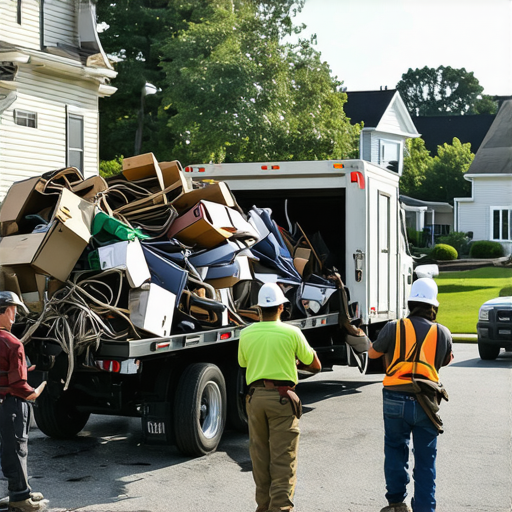
A business owner tried to save 500 dollars by hiring a guy with a pickup truck from a social media ad. Two weeks later, the police called him because his company’s confidential files were found in a ditch near the Fox River. Your junk is your liability until it hits the scale. This is the reality of waste management in Aurora. If you do not see a permit or a manifest, you are the one holding the bag when the EPA comes knocking. We handle garage clean outs with the precision of a tactical extraction because the workshop environment is a concentrated zone of mixed-material waste. From heavy machinery to chemical residue, the logistics of clearing a workspace in Kane County require more than just a strong back. It requires an understanding of the Resource Conservation and Recovery Act and the local tipping fees at the West Chicago transfer station.
Calculated volume versus actual weight in workshop environments
Garage Clean outs in Aurora IL require a deep understanding of Junk Removal physics because workshop debris often exceeds the weight limits of standard Dumpster Rentals Aurora. When you clear a space filled with sawdust, scrap lumber, and old metal lathes, you are dealing with high-density loads that can easily overload a dual-axle trailer.
“Waste is merely a resource in the wrong place; professional removal is the science of putting it back where it belongs.” – Disposal Industry Maxim
The math of the load is absolute. A fifteen yard bin has a capacity of 405 cubic feet, but if that volume is filled with discarded concrete flooring or heavy oak workbenches, the weight will trigger significant overage charges at the scale. We calculate the specific gravity of your debris before the first item hits the truck bed. This prevents the dangerous situation of a truck being unable to safely brake on the steep grades near the Fox River valley. Efficient Junk Removal Aurora is about maximizing every square inch of the truck to avoid wasted air. We call this cubing out the load. It is the difference between one trip and three, which directly impacts your bottom line and the carbon footprint of the project.
| Debris Type | Bulk Density (Lbs/CY) | Disposal Difficulty | ||||||
|---|---|---|---|---|---|---|---|---|
| Sawdust and Wood Scraps | 300-400 | Low | ||||||
| Cast Iron Machinery | 450-600 | High | Mixed Shop Trash | 500-800 | Medium | Concrete and Brick | 2000-2400 | High |
Hazardous shadows in the Fox Valley
Appliance removal and Furniture Removal in a workshop setting often involve Hoarder Clean Out aurora scenarios where hazardous materials are hidden beneath layers of benign waste. Workshop owners frequently store old solvents, lead-acid batteries, and pressurized cylinders in the dark corners of their garages. These items are the ghosts in the garage that can cause catastrophic failures at the processing facility.
“Improper disposal of household hazardous waste can pollute the environment and pose a threat to human health.” – Environmental Protection Agency Guidance
We do not just lift, we inspect. Every pile of yard waste or old scrap metal is checked for hidden contaminants. Lithium-ion batteries from old power tools are a primary concern. If one of these is crushed in the compactor of a waste truck, it creates a thermal runaway event that can consume the entire vehicle in minutes. We categorize every item into streams: recyclables, hazardous waste, and inert debris. This ensures that nothing from your Aurora workshop ends up leaching into the local groundwater or causing a fire at the transfer station. While most people think recycling is always better, the carbon footprint of hauling low-grade plastics 500 miles often exceeds the impact of local, high-efficiency waste-to-energy incineration. We choose the disposal path that minimizes total environmental impact, not just the one that looks good on a brochure.
The strategic sorting of workshop flow
Garage Clean outs are not just about disposal, they are about the Hoarder Clean Out aurora protocol which treats physical clutter as a data overflow error in a functional system. To regain control of a workshop, one must understand the lifecycle of the tools and materials housed within it. The floor snapped under the weight of a 1970s drill press. We salvaged the iron. We cleared the paths. A professional workshop requires clear ingress and egress routes to meet safety standards. We look for the backdoor logistics of how your space became overwhelmed. Usually, it starts with a pile of off-cuts that were too good to throw away but too small to use. Over a decade, that pile becomes a structural hazard. Our team uses a strict checklist for items that require specialized handling under Illinois law.
- Liquid paint that has not been solidified with kitty litter or sawdust
- Lithium-ion batteries from cordless drills and saws
- Propane tanks and oxygen cylinders from welding kits
- Used motor oil and degreasing solvents
- Asbestos-containing materials found in old pipe insulation
By following this protocol, we ensure your Furniture Removal and Appliance removal tasks are completed without legal or environmental repercussions. We serve the Aurora community by keeping these materials out of the illegal dump sites that plague our rural outskirts. Every load is manifested. Every pound is accounted for. This is the difference between a professional waste management strategist and a guy with a truck. We manage the liability so you can manage your craft.
This post really highlights how important proper waste management is, especially in complex environments like workshops in Aurora. I’ve seen firsthand how even small hazardous materials, if not handled correctly, can cause major issues down the line. It’s a good reminder that DIY or cheap options often overlook the legal and safety implications, which can lead to costly fines or dangerous surprises later. I’m curious, has anyone faced challenges with hidden hazards during cleanouts, and what strategies did you find most effective for ensuring all contaminants are correctly identified and disposed of? In my experience volunteering for local cleanup projects, thorough inspection and proper sorting are crucial, and having expert guidance makes a big difference in avoiding environmental or legal problems. It’s clear that a professional approach doesn’t just save time; it also protects the community and the environment. Would love to hear others’ insights on preventing overlooked hazards during a garage or workshop cleanout.
This post really highlights the critical importance of proper waste management, especially when dealing with workshop debris in Aurora. I’ve seen firsthand how easily hazardous materials like old solvents or batteries can be overlooked, leading to serious legal and environmental issues down the line. It’s reassuring to know that professionals go beyond just hauling away trash—they inspect and categorize every item, which seems essential to prevent costly mishaps such as chemical leaks or fire hazards. From my experience in small business management, I’ve noticed that understanding local regulations and ensuring proper documentation can be a game-changer in avoiding penalties. However, I wonder how many workshop owners are fully aware of the specific Illinois laws regarding hazardous waste? It seems that proper education combined with expert handling is the way to go. Would love to hear from others—have you encountered surprises during your cleanouts, and how did you address them?
This post really hits home for me, especially the point about the hidden hazards lurking in workshop debris. I’ve seen situations where old batteries or solvents weren’t properly identified, and it led to some costly complications during disposal. I appreciate the emphasis on inspection and sorting because these risks can’t be overlooked, especially with the strict Illinois regulations we need to follow. When managing a workshop cleanup, I think the key challenge is often in educating the staff or DIY owners about what truly constitutes hazardous waste and ensuring they understand the importance of proper segregation. I’m curious, has anyone found effective ways to train or inform non-professional staff about these hazards? I believe that a proactive approach, combining education with professional handling, is crucial to prevent accidents and legal issues. It would be great to learn what methods others have used to improve awareness and compliance during these kinds of cleanouts.