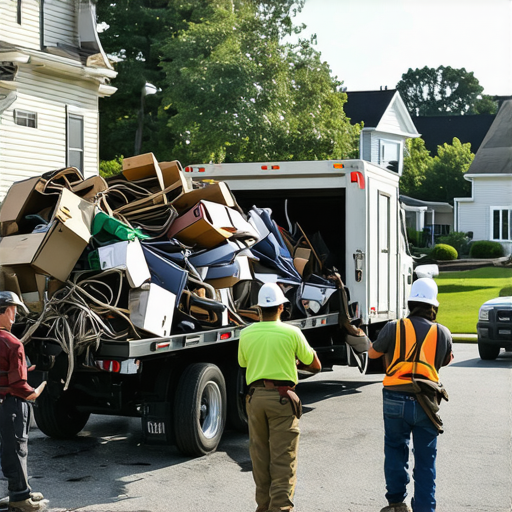
A business owner tried to save five hundred dollars by hiring a guy with a pickup truck from a social media ad. Two weeks later, the police called him because his company’s confidential files were found in a ditch. Your junk is your liability until it hits the scale. In Aurora, the Fox River valley is no place for fly-tipping. I have spent decades watching hydraulic fluid leak from poorly maintained trucks. I have seen the way a rookie loader wastes forty percent of a twenty yard bin by failing to break down simple cardboard boxes. Waste is a game of volume. Volume is a game of money. Every scrap of metal, every broken pallet, and every discarded computer monitor carries a chain of custody. If that chain breaks, your wallet suffers. The logistics of warehouse scrap require more than a strong back. They require a strategist who understands the difference between a Class II landfill and a specialized transfer station. [IMAGE_1]
The liability of the low bid
Hiring unlicensed haulers for industrial waste in Aurora results in massive legal exposure. If a business owner chooses a provider based solely on price, they risk fines for illegal dumping. Proper junk removal requires a documented chain of custody and certified disposal at licensed transfer stations or scrap yards. The Resource Conservation and Recovery Act (RCRA) dictates how we handle industrial discarded materials. When a hauler lacks the proper permits, the original owner of the waste remains legally responsible for where it ends up. If a fly-tipper dumps your old warehouse shelving in a local wetland, the environmental protection agencies track the source back to you. We maintain precise logs of every cubic yard removed. We ensure that the weight of the load matches the tipping receipt from the Aurora transfer station. This is not just about cleaning a room. It is about insulating a business from litigation. I have seen companies shut down because of a single unauthorized load of hazardous materials that was improperly identified during a warehouse purge.
“Waste is merely a resource in the wrong place; professional removal is the science of putting it back where it belongs.” – Disposal Industry Maxim
The physics of the fifteen yard bin
A standard fifteen yard dumpster occupies a specific footprint of roughly fourteen feet by eight feet. Success in junk removal depends on the density of the load and the structural integrity of the container. We focus on cubing out the truck to ensure no air is transported. When we manage a garage clean out or a warehouse clear out, we look at the physics of the stack. Heavy items like cast iron pipes or concrete debris must sit at the bottom, centered over the axles. If the weight shifts, the hydraulic lift system of the truck faces catastrophic failure. We break down furniture removal into components. A sofa is sixty percent air. By removing the cushions and dismantling the frame, we increase the density of the load by three hundred percent. This logistical precision reduces the number of trips, which lowers the carbon footprint of the entire operation. Aurora Dumpster Rentals often fail because the user does not understand the weight limits of the street. A bin filled with wet soil or shingles will exceed the legal road limit, resulting in a truck that cannot legally move. We calculate the pounds per cubic yard before the first item even touches the truck bed.
The hidden chemistry of industrial waste
Chemical identification is the most vital step in any commercial junk disposal project. Warehouses often hide legacy contaminants like lead-acid batteries, mercury switches, or pressurized canisters. These items require specialized handling to prevent environmental leaching and fire hazards during the transport and disposal process. I watched a rookie almost lose his eyebrows because a customer hid a half-full propane tank inside a pile of yard waste. We do not just lift, we inspect. Every. Single. Item. Lead-acid batteries contain sulfuric acid and lead plates that are highly toxic. If they crack during a chaotic garage clean out, they leak into the concrete, creating a remediation cost that far exceeds the price of a proper disposal service. In Aurora, the proximity to the Fox River means that any chemical spill has the potential to enter the municipal water table. We follow a strict protocol for appliance removal because units older than 1979 may contain PCBs in the capacitors. Modern units require the recovery of R-134a or R-600a refrigerants before the metal can be scrapped. Failure to follow these steps is a violation of the Clean Air Act.
| Material Type | Density (lbs/cu yd) | Recovery Value | Decomposition Time |
|---|---|---|---|
| Mixed Metal | 450-600 | High | 200+ Years |
| C&D Debris | 300-500 | Low | 50+ Years |
| Corrugated Paper | 50-100 | Medium | 1 Year |
| Soft Furniture | 150-250 | None | 80-100 Years |
Aurora waste ordinances and the legal reality
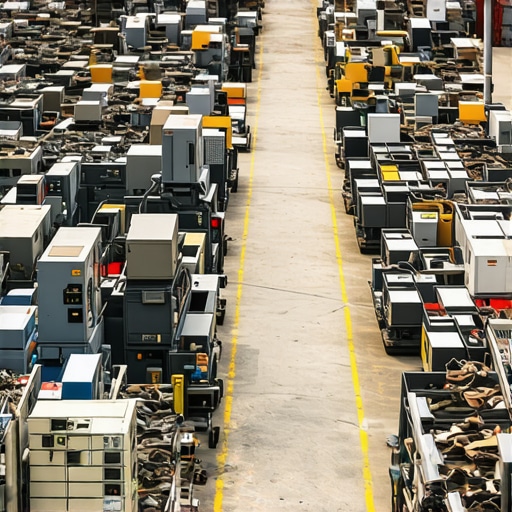
The City of Aurora enforces strict bulky item pickup schedules and commercial waste regulations that differ from residential rules. Commercial entities must use licensed private haulers for any volume exceeding standard municipal limits. Understanding local tipping fees and transfer station protocols is essential for staying compliant with city law. If you are planning a hoarder clean out in Aurora, you must account for the Metro West Council of Governments’ guidelines on electronic waste. Illinois law prohibits the landfilling of electronics like monitors, printers, and computers. These items contain gold, silver, and copper, but they also contain lead and cadmium. We route these items to certified e-waste recyclers who provide a certificate of destruction. This is particularly vital for warehouses that are clearing out old office equipment. The narrow streets in older Aurora neighborhoods require smaller, more maneuverable trucks like a 10-yard or 12-yard skip. Larger roll-off bins often require street permits from the city, which involves a fee and a specific timeframe for placement.
The economic trap of the hoarder clean out
A hoarder clean out is a logistical nightmare that functions as a data overflow error in physical space. The sheer volume of material often hides structural damage to the property, such as bowed floor joists or compromised load-bearing walls. We approach these sites with a focus on weight distribution and safety. I once cleared a house where the junk was not just stuff. It was a structural hazard. We found the floor joists were bowing under the weight of forty years of newspapers that had absorbed ten years of basement humidity. The paper had essentially turned into a solid block of cellulose with the density of wet oak. In these situations, the cost is not just about the volume, it is about the labor hours required to safely extract the material without collapsing the floor. We use specialized equipment to monitor the air quality, as dust and mold spores become airborne the moment the piles are disturbed. Junk removal in these contexts is more akin to a salvage operation than a simple trash haul. We sort on-site to identify any items of value that can offset the total cost of the project.
“Proper characterization of waste streams is the primary defense against environmental non-compliance and groundwater contamination.” – Solid Waste Association of North America Guidelines
The heavy weight of old appliances
Appliance removal involves more than just lifting heavy objects; it requires the management of hazardous gases and heavy metals. Units like refrigerators, washers, and dryers are comprised of mixed materials that must be separated to achieve maximum recovery rates. We utilize specialized dollies and ramps to prevent property damage. A standard cast iron bathtub weighs four hundred pounds. A commercial freezer can weigh over six hundred. Moving these items through a warehouse or a home requires a deep understanding of leverage. We do not rely on brute force. We use the mechanical advantage of ramps and hydraulic lifts. In the Aurora industrial corridor, we often encounter legacy appliances that are still charged with Freon. We work with EPA-certified technicians to evacuate these systems. This is an information gain point that many people ignore. While recycling is often seen as a moral victory, it is a logistical calculation. If you spend forty gallons of diesel to move a ton of low-grade plastic to a facility three hundred miles away, you have committed an environmental crime. We prioritize local waste-to-energy conversion for non-recyclable polymers because the BTU value outweighs the carbon cost of long-haul transport.
Items Your Hauler Cannot Legally Touch
- Biohazardous medical waste including used needles and fluids
- Unidentified pressurized gas cylinders or fire extinguishers
- Open containers of volatile liquid chemicals or solvents
- Radioactive materials including some old smoke detectors
- Explosives including ammunition and commercial fireworks
- Lead-based paint that is not solidified with sawdust or kitty litter
The specific value in scrap metal recovery
Scrap metal recovery is the engine of the junk removal industry, turning waste into a viable commodity. We distinguish between ferrous and non-ferrous metals to maximize the return for our commercial clients in Aurora. This process involves sorting at the source to prevent contamination of the metal stream. Copper piping and electrical wiring represent the highest value in a warehouse scrap strategy. Aluminum siding and stainless steel fixtures are also prioritized. Ferrous metals, like the steel used in shelving and warehouse racking, are heavy but have a lower per-pound value. We use high-powered magnets to quickly sort these materials on-site. By separating the metals, we reduce the tipping fees at the landfill and often provide a credit back to the client. This is how a professional warehouse purge stays under budget. We look for the copper in the motors. We look for the aluminum in the window frames. Every ounce counts when you are dealing with a thirty thousand square foot facility. The floor snapped once under the weight of a poorly placed pile of scrap steel. We never let that happen. We spread the load across the concrete slab to protect the building’s infrastructure.“,