Garage Clean Outs Aurora: 3 Storage Items You Don’t Need
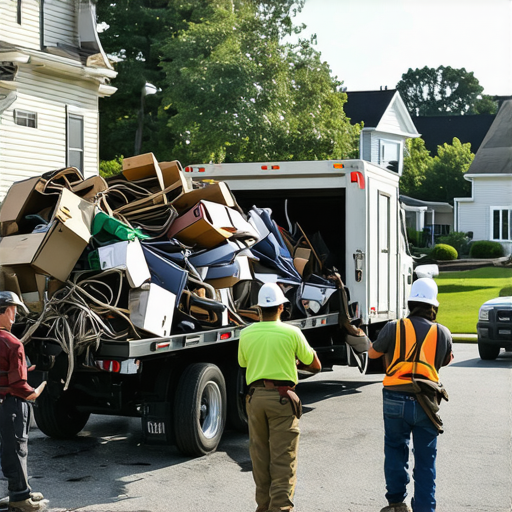
I watched a rookie almost lose his eyebrows because a customer hid a half-full propane tank inside a pile of harmless yard waste. We do not just lift. We inspect. Every. Single. Item. That happened during a routine garage clean out in Aurora where the homeowner thought a small lie would save them a five dollar hazardous waste surcharge. It almost cost a man his career. In this industry, I see the garage as the externalized debt of a household. It is where decisions go to die and where logistics become a nightmare. If you live near the Aurora Reservoir or the busy corridors of Havana Street, you know that space is at a premium. Yet, most garages in our city are not housing vehicles. They are housing stagnant assets that have transitioned into liabilities. Professional junk removal is not about tossing bags. It is the science of volumetric efficiency and material recovery. The diesel idles. The winch groans. You see a pile of boxes. I see four tons of compacted misery that requires a manifest and a disposal strategy. Let us break down the physical reality of what is currently rotting in your secondary storage space.
The ghost in the garage
Garage clean outs Aurora require a clinical eye to distinguish between sentiment and sediment because most stored items are actually environmental hazards. Most homeowners hold onto three specific categories of junk that serve no purpose other than occupying valuable square footage. These items often violate local Aurora fire codes or attract pests that compromise the structural integrity of your home. We are talking about broken appliances, particle-board furniture, and expired chemicals that have begun to outgas into your living space. When we pull up with a 15-yard truck, our goal is to maximize every cubic inch of that steel box. If you are keeping these three things, you are essentially paying property taxes on trash.
“Waste is merely a resource in the wrong place; professional removal is the science of putting it back where it belongs.” – Disposal Industry Maxim
The dead weight of obsolete appliances
Appliance removal is a specialized logistical operation because modern refrigerators and air conditioners contain refrigerants that require EPA Section 608 certification for handling. If you have an old fridge humming in the corner of your Aurora garage, it is likely consuming three times the electricity of a modern unit. If it is broken, it is a lead and mercury hazard. These units are heavy. A standard 1990s side-by-side refrigerator weighs approximately 250 to 300 pounds. When they sit on a concrete garage floor, they trap moisture. This leads to surface spalling and cracks. We see it every day. A homeowner wants a garage clean out, but the moment we move the old freezer, we find the slab is ruined. You do not need that 1980s microwave. You do not need the dishwasher with the cracked seal. These items are not vintage. They are scrap metal. In Aurora, the Denver Arapahoe Disposal Site (DADS) has specific protocols for white goods. We handle the transport, the tipping fees, and the environmental paperwork so the liability does not stay on your shoulders.
The furniture graveyard and the rot of particle board
Furniture removal in Colorado presents a unique challenge due to the rapid shifts in humidity that cause cheap materials to fail. That desk you bought in 2005 made of compressed sawdust and glue is not coming back into style. It is currently absorbing basement moisture and expanding. Once particle board swells, its structural integrity is zero. It becomes a breeding ground for silverfish and spiders. I have seen entire garage clean outs Aurora jobs where the furniture literally disintegrated as soon as we applied tension with a dolly. We focus on the tetris of the load. Old couches and dressers are air-wasters. They occupy huge amounts of cubic yardage while providing almost no recovery value. Unless an item is solid oak, maple, or walnut, it is likely a candidate for the local transfer station. We disassemble these pieces on-site to ensure we do not charge you for the air inside a hollow cabinet. Efficiency is our religion.
The hazardous cache of unfinished projects
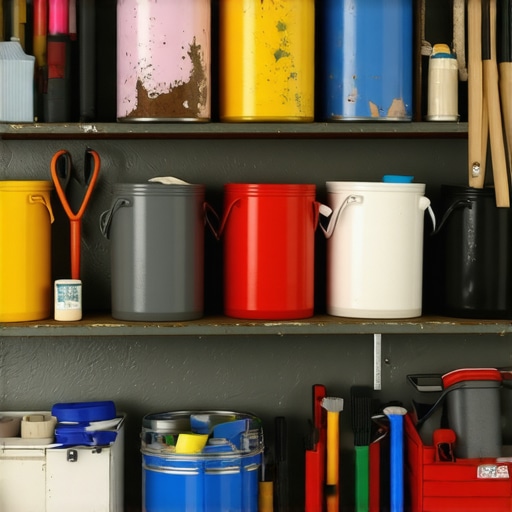
Junk Removal Aurora operations frequently uncover the most dangerous item: the half-used bucket of mystery chemicals. I am talking about old cans of latex paint, motor oil from a car you sold five years ago, and pesticides that have been banned for a decade. These are not just junk. They are RCRA regulated materials. When these containers rust through, they leach into the soil beneath your garage. This can complicate a home sale or lead to massive remediation costs. If you are looking at a stack of old paint cans, you are looking at a fire hazard. We categorize these during our initial walkthrough. We know the Aurora municipal rules for hazardous waste disposal. We do not just dump. We divert. If it can be neutralized or recycled, we ensure it reaches the proper facility on Quentin Street or beyond.
| Disposal Method | Typical Cost Factor | Labor Requirement | Environmental Impact |
|---|---|---|---|
| Curbside Pickup | Low | High (DIY) | High (Landfill only) |
| Dumpster Rental | Medium | Very High | Moderate |
| Professional Hauling | High | Zero | Low (Max Diversion) |
Why your cheap hauler is a legal time bomb
Dumpster Rentals Aurora might seem like a cost-saving measure until you realize you are the one doing the heavy lifting and risking a back injury. Even worse is the curbside cowboy. This is the guy with a beat-up pickup truck who offers to haul your life away for fifty bucks. Your junk is your liability until it hits the scale and a receipt is issued. If that guy dumps your old couch and your bank statements in a ditch near Cherry Creek, the police are calling you. Not him. We provide a paper trail. We handle the logistics of the weight-based fees at the landfill. We understand the physics of the load. A 15-yard truck has a weight limit. If you fill it with concrete from a garage floor, you will snap the axle. We calculate the density. We manage the risk. This is the difference between a professional service and a guy with a truck.
Items your hauler cannot legally touch
- Leaking lead-acid car batteries
- Pressurized gas cylinders or oxygen tanks
- Biohazardous medical waste or used needles
- Industrial grade solvents and thinners
- Asbestos-containing floor tiles or pipe insulation
- Explosives or ammunition
“Proper solid waste management is a non-negotiable pillar of public health and urban safety.” – SWANA Guidelines
The heavy cost of keeping everything
Hoarder Clean Out aurora situations are the ultimate test of waste management logistics. We once cleared a property where the floor joists were bowing under the weight of 40 years of newspapers. Those papers had absorbed ten years of Colorado humidity. They were no longer paper. They were a solid, heavy mass of cellulose and mold. This is the end-game of the I might need it someday mentality. Every item you keep is a micro-investment in future chaos. When we perform a garage clean out, we are not just moving objects. We are restoring the flow of the property. We use specialized equipment to navigate narrow residential stairs. We protect your door frames. We respect the property while we purge the waste. Whether it is a single appliance or a full-scale hoarding situation, the logic remains the same. Identify the waste. Quantify the volume. Execute the removal with surgical precision.
The physics of the fifteen yard load
The average garage clean out Aurora project generates approximately 12 to 18 cubic yards of debris. If you try to do this with a standard SUV, you are looking at 20 trips to the dump. That is 20 fees. 20 hours of driving. 20 opportunities for a flat tire. Our trucks are designed for maximum compaction. We understand how to cube out a load. We place the heavy, dense items like old tile or scrap wood on the floor. We stack the lighter, high-volume items on top. We tie it down. We tarp it. We move. The logistics of disposal in Aurora are governed by the specific tipping fees at the transfer station. These fees change based on the material. Metal is often free or a credit. General trash is a cost per ton. Electronics have a per-unit surcharge. We manage this math so you do not have to. When the tailgate closes and the diesel engine roars to life, you are not just getting a clean garage. You are getting your life back. The air is clearer. The fire risk is gone. The externalized debt is paid in full.