The structural cost of silence
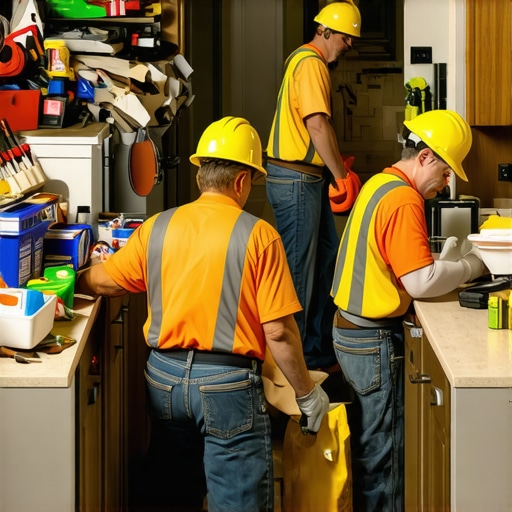
Hoarder Clean Out aurora requires specialized structural assessment because excessive weight compromises floor joists and load-bearing walls. Professional teams prioritize safety by identifying biological hazards, fire risks, and exit path obstructions before removing a single item from the property. This tactical approach prevents foundation collapse and worker injury. I once cleared a house where the junk wasn’t just stuff. It was a structural hazard. We found the floor joists were bowing under the weight of 40 years of newspapers that had absorbed ten years of basement humidity. This wasn’t a living room. It was a 60,000-pound sponge pressing against a foundation built for half that load. The floor snapped. The smell hit first. Ammonia and rot filled the air as the wood fibers surrendered to the relentless gravity of neglected history. When you ignore the volume, the volume eventually ignores the physics of your home. Hoarding creates a unique micro-environment where the chemical breakdown of organic matter accelerates the rot of the surrounding structure. This is the reality of extreme clutter in the Fox River Valley.
“Waste is merely a resource in the wrong place; professional removal is the science of putting it back where it belongs.” – Disposal Industry Maxim
Why Aurora transfer stations hate lithium batteries
Junk Removal Aurora professionals must identify hidden lithium-ion batteries in junk piles to prevent landfill fires. These power sources are volatile when crushed by heavy machinery. Local transfer stations enforce strict screening because a single battery can ignite thousands of tons of waste, creating hazardous atmospheric emissions and massive liability. Every load that leaves a residence in Aurora is subject to the Resource Conservation and Recovery Act guidelines. When a truck tips its load at a station like the Orchard Road facility, the spotters are looking for the telltale glint of battery casings. A fire in a transfer station can shut down regional waste flow for days. This increases the tipping fees for every resident in the county. We do not just lift. We inspect. Every. Single. Item. The chemistry of a modern garage cleanout is a minefield of corrosive acids and flammable polymers. If you hide a battery in a sofa, you are not just getting rid of a couch. You are planting a firebomb in a heavy-duty diesel truck. The friction of the compactor plate is often the spark that starts the disaster.
“Hazardous waste management is not a suggestion; it is a fundamental requirement for the protection of groundwater and local air quality.” – EPA Waste Management Bulletin
The heavy math of truck geometry
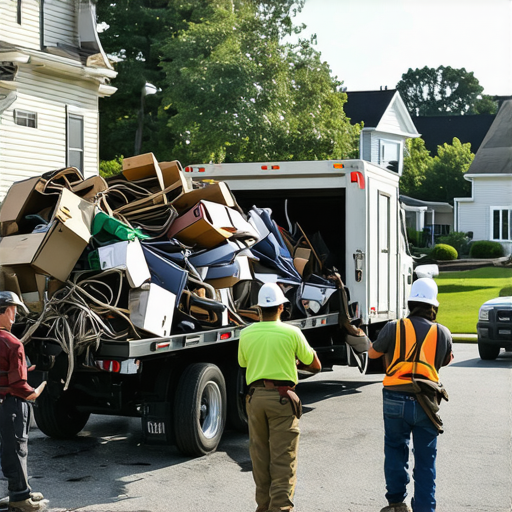
Furniture Removal and general hauling rely on the science of cubic yard density to determine pricing and logistical efficiency. Most residential junk removal trucks hold roughly 15 to 18 cubic yards of debris. A professional loader understands how to cube out a truck to minimize air gaps and maximize the weight-to-volume ratio. This tetris of the load is the difference between a profitable run and a wasted trip.
| Material Type | Decomposition Time | Disposal Method |
|---|---|---|
| Untreated Wood Waste | 10-15 Years | Biomass Energy |
| Old Plastic Furniture | 450+ Years | Containment Landfill |
| Aluminum Scraps | 200 Years | Secondary Smelting |
| Glass Bottles | 1 Million Years | Infinite Recycling |
While most people think recycling is always better, the carbon footprint of hauling low-grade plastics 500 miles often exceeds the impact of local, high-efficiency waste-to-energy incineration. This is a hard truth of the industry. We balance the environmental cost of transport against the recovery value of the material. Heavy-load specialists look for high-density materials like steel and copper. These offset the cost of disposing of low-value items like treated particle board. If the load is poorly packed, the truck vibrates more. This causes wear on the hydraulic lines and increases fuel consumption. Every inch of air in that truck bed is money flying out of the exhaust pipe.
Dumpsters versus live load services
Dumpster Rentals Aurora offer a stationary solution for long-term projects, but they require significant space and often necessitate local permits for street placement. A live-load service provides immediate labor and transport, which prevents the property from becoming an eyesore or a target for illegal neighborhood dumping during the cleanout process. When you rent a bin, you are the labor. When you hire a crew, you are buying speed and expertise. In the tight residential streets of older Aurora neighborhoods, a 20-yard roll-off can be a permit nightmare. It can crack the asphalt if not padded correctly with plywood. It can also be filled by strangers overnight. I have seen customers pay for three dumpsters when they only had one dumpster worth of junk, simply because the neighborhood used their bin as a free community trash can. A live load happens in hours. The truck arrives, the crew packs it tight, and the junk is gone before the sun sets. This is the tactical choice for hoarder cleanouts where the volume is overwhelming and the timeline is short.
- Aerosol cans with residual pressure
- Lead-acid car batteries
- Wet oil-based paints and thinners
- Propane and helium tanks
- Biological waste or medical sharps
- Asbestos-containing floor tiles
The appliance removal liability
Appliance removal involves more than just heavy lifting; it requires the safe handling of refrigerants like Freon and R-134a. Federal law prohibits the venting of these gases into the atmosphere due to their high global warming potential. Professional haulers must transport units to certified facilities for recovery before the metal can be recycled. An old refrigerator is a metal box filled with toxic insulation and hazardous gases. If you hire a guy with a pickup truck who just throws it in a ditch, you are legally responsible for that environmental damage. Your junk is your liability until it hits the scale and is manifested by a legitimate facility. We track the chain of custody. We ensure that the 400-pound cast iron stove from 1954 is handled with the same care as the modern digital washer. The weight of these units can crush a standard dolly. It takes two men who understand center-of-gravity physics to move a dryer down a narrow flight of basement stairs without taking out the drywall or their own shins. We use leverage, not just muscle. The hydraulic lift gate on the truck does the final work, but the path from the basement to the curb is a game of inches.
Garage clean outs as tactical salvage
Garage Clean outs represent a unique challenge because they often serve as the final resting place for household chemicals, old tires, and forgotten construction debris. A systematic approach involves sorting materials into recyclables, hazardous waste, and general refuse to minimize landfill impact and comply with Aurora municipal codes. Most people treat the garage as a data overflow error in physical space. They shove things there when they do not know where else they go. Ten years later, you have a solid block of compressed history that weighs four tons. We start at the door and work inward. We create zones. We identify the high-value metals first. Then we move to the cardboard and paper. The most dangerous part is usually the back corner where the lawnmower gas cans sit next to the old paint. One leak and you have a chemical reaction that can eat through the concrete floor. We use specialized absorbent mats. We ensure the ventilation is active. A garage is not just a room. It is a logistics hub that has failed. We restore the flow. We turn the chaos back into a usable square footage. The cost of a cleanout is high, but the cost of losing your garage to the rot of neglected junk is higher. You are paying for the recovery of your property value. A clean garage adds thousands to a home appraisal in the Aurora market. It is an investment in the structural integrity and the aesthetic value of your neighborhood.