The physics of the hoarding autopsy
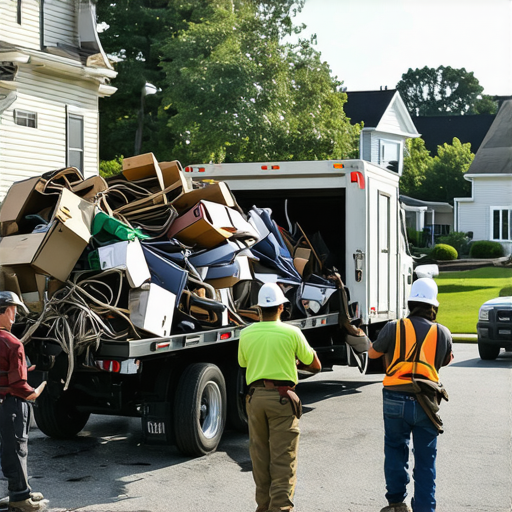
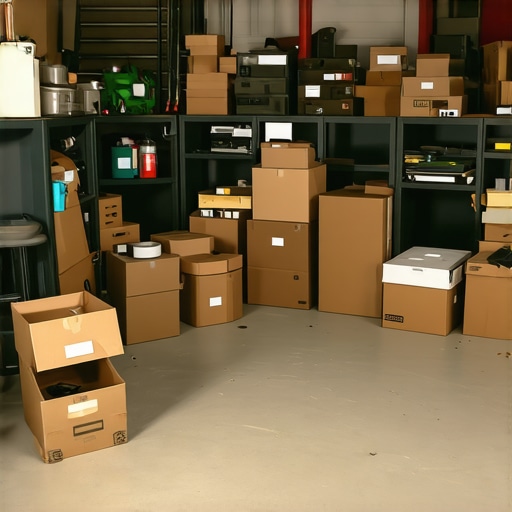
Garage clean outs in Aurora require a systematic approach to junk removal by categorizing items into hazardous waste, recyclable metals, donatable goods, inert debris, and landfill bound trash. Proper sorting ensures environmental compliance and reduces tipping fees at the Aurora Transfer Station or local landfills. I once cleared a house where the junk wasn’t just stuff. It was a structural hazard. We found the floor joists were bowing under the weight of 40 years of newspapers that had absorbed ten years of basement humidity. The ink had leached into the wood. The paper had compressed into a dense, peat-like block that required a chainsaw to segment. This was not a simple haul. It was an extraction. Every cubic yard weighed triple its dry estimate. This is why we measure by density and not just volume. When you stare at a wall of boxes in an Aurora garage, you are looking at potential energy. If those boxes contain damp cellulose, they are a fire hazard. If they contain old motor oil, they are an environmental liability. We analyze the load before the first lift happens. The truck is a puzzle. We cub out the 15-yard bed to ensure no air remains. Wasted space is wasted money. Fuel costs in Illinois do not allow for inefficient packing. We move with purpose. We stack with precision. The floor snapped under the weight of one pile. We had to shore it up with scrap 4x4s just to finish the job safely.
The chemical ghost in the garage
Hazardous waste removal in Aurora involves identifying lead-acid batteries, mercury thermometers, pesticides, and flammable solvents that cannot enter standard dumpsters. The Resource Conservation and Recovery Act (RCRA) mandates strict disposal protocols for these toxic materials to prevent groundwater contamination in the Fox River Valley. You cannot simply toss a half-full gallon of 1990s-era latex paint into a roll-off. The liquid will rupture under the pressure of the compactor. It will spray the street. It will ruin the hopper. We look for the symbols. The skull and crossbones. The corrosive hand. The flammable flame. These items go into specialized bins. They require a manifest. In Aurora, the household hazardous waste programs are specific. You do not mix bleach and ammonia in a hot garage. That is a recipe for a hazmat call. We see people try to hide car batteries at the bottom of a bin. The acid leaks. It eats through the steel floor of the truck. It creates a chemical reaction with organic waste. We inspect every container. No exceptions. This is the science of safety. A garage is often a cemetery for forgotten chemicals. We are the undertakers who ensure they do not haunt the local water table.
“Waste is merely a resource in the wrong place; professional removal is the science of putting it back where it belongs.” – Disposal Industry Maxim
Metal extraction and the appliance graveyard
Appliance removal and scrap metal recovery focus on extracting ferrous and non-ferrous metals like copper, aluminum, and steel from old refrigerators, stoves, and HVAC units. Professional junk removal Aurora services prioritize metal recycling because it carries high diversion rates and reduces the carbon footprint of waste management operations. The heavy lifting starts here. An old cast iron radiator is a beast. It requires a hand truck with pneumatic tires and a two-man team. We do not drag. We lift. Dragging ruins the epoxy on a garage floor. We look for the copper. The wiring. The tubing. These are the precious materials. A refrigerator is mostly air and insulation, but the compressor is the heart. We check for freon. You cannot vent refrigerant into the Aurora sky. It is a federal crime. We use recovery pumps. We seal the lines. The logistics of metal are about weight and balance. You put the heavy appliances over the axle of the trailer. You do not want the tongue to dive. You do not want the tail to wag. We pack the voids with smaller metal scraps. A bicycle frame fits inside a dryer. An old grill base supports a stack of shelving. This is how we achieve 100 percent utilization. The sound of metal hitting metal is the sound of a job being done right. We respect the material. It has value. It should not rot in a hole in the ground.
The structural reality of furniture extraction
Furniture removal in Aurora requires assessing the structural integrity of upholstered items, solid wood pieces, and particle board assembly to determine if they are recyclable or landfill waste. Many Aurora garage clean outs involve furniture that has suffered moisture damage, making it a bio-hazard due to mold spores and pest infestation. Modern furniture is a lie. It is glue and sawdust. It breaks when you tilt it. We prefer the old growth oak. It weighs a ton, but it survives. We see a lot of particle board in Aurora garages. It acts like a sponge. It absorbs the humidity. It swells. It becomes heavy and brittle. We have to wrap it in plastic if it is crumbling. We do not want dust in the air. We categorize by donation potential. If the wood is good, it goes to a local charity. If it is infested with termites or roaches, it goes to the burn pile or the deep pit. We calculate the volume. A sofa takes up six cubic yards if you are a rookie. A pro takes the feet off. We stand it on end. We nest chairs. We turn tables upside down and fill the leg space with bags of soft goods. This is the Tetris of the trade. We do not leave air gaps. Air gaps are a failure of the imagination. We use every inch.
“The efficient management of solid waste is a cornerstone of public health and urban stability.” – Solid Waste Association of North America
Inert materials and the density trap
Dumpster rentals Aurora are the primary solution for inert debris such as concrete, brick, dirt, and asphalt from garage floor repairs or demolition. These materials are weight-restricted, meaning a 20-yard dumpster can only be filled partially to remain within Department of Transportation (DOT) legal load limits for Illinois roads. You cannot hide concrete. The truck engine will tell on you. The hydraulics will scream. We see it all the time. A customer rents a bin and fills it to the brim with broken sidewalk. The driver arrives and cannot even lift the hook. That is a dry-run fee. That is a wasted day. We teach the math. Concrete weighs approximately 4,000 pounds per cubic yard. A standard tandem-axle roll-off truck can legally carry about 10 to 12 tons. Do the math. You can only fill a large bin one-third full with heavy aggregate. We use the low-boy bins for this. They have shorter sides. It prevents overfilling. We look for clean fill. If it is just concrete and no rebar, we can take it to a crusher. It becomes road base. That is a lower tipping fee. If it is mixed with trash, it is expensive. We keep the streams separate. We use a sledgehammer to break down large slabs. We pack the pieces like a stone wall. No voids. High density. That is the goal. | Material Category | Decomposition Time | Disposal Strategy | | :— | :— | :— | | Untreated Wood | 10-15 Years | Mulching or Energy Recovery | | Plastic Furniture | 450+ Years | Specialized Polymer Recycling | | Ferrous Metal | 50-100 Years | Scrap Smelting | | Concrete/Brick | Indefinite | Aggregate Crushing | | Organic Waste | 6-12 Months | Industrial Composting |
Local Aurora disposal math
Junk removal Aurora services must navigate the specific municipal codes and zoning laws that govern temporary container placement and commercial hauling permits. Understanding the Aurora Transfer Station hours and the tipping rates for Fox Metro service areas is essential for cost-effective garage clean outs and hoarder restoration projects. We know the streets. We know where the low wires are. We know which alleys are too narrow for a 30-yarder. In Aurora, you need a permit if the bin sits on the street. We try to keep it in the driveway. We use plywood boards under the rollers. We do not want to crack your asphalt. The sun in Illinois is brutal. It softens the drives. Heavy trucks sink. We use the boards to spread the load. We check the calendar. We avoid the street sweeper days. We avoid the snow plow routes. Logistics is not just about the truck. It is about the environment. We are local. We know the landfill operators by name. We know whose scale is calibrated. We know who accepts tires and who does not. Tires are a nightmare. You cannot bury them. They float to the surface of a landfill like ghosts. They hold water. They breed mosquitoes. We take them to a dedicated shredder. We follow the rules because the rules keep the Fox River clean. Check this list before you call us.
- Propane tanks and pressurized cylinders
- Bio-medical waste or sharps
- Asbestos-containing materials (transite pipe)
- Liquid chemicals or wet paint
- Radioactive smoke detectors
- Lead-acid batteries (unless specified)
This is the protocol. This is how we clear the clutter without creating a disaster. We are the masters of the load. We are the engine of the clean out. Your garage is a puzzle we have already solved in our heads before we even park the truck. The hydraulic fluid is warm. The engine is idling. It is time to move.