Residential Junk Removal Aurora: Pre-Move Junk Removal Checklist
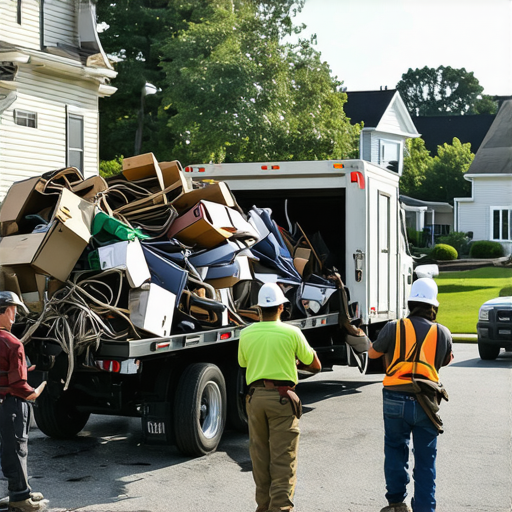
The smell of diesel fuel and hydraulic fluid defines my morning. Every successful move in Aurora starts with a cold, hard look at the inventory. A business owner tried to save 500 dollars by hiring a guy with a pickup truck from a social media ad. Two weeks later, the police called him because his company confidential files were found in a ditch. Your junk is your liability until it hits the scale. This reality dictates every decision we make on the job site. We do not just toss items into a bin. We calculate cubic yard density. We analyze the center of gravity for every heavy load. Moving day is a logistical war. Junk Removal Aurora is the frontline of that conflict. If you fail to purge before the truck arrives, you are paying to transport trash.
The shadow of the fly-tipper
Aurora junk removal services protect homeowners from legal liability and environmental fines by ensuring that all discarded materials reach certified transfer stations. Professional haulers provide weight tickets and disposal receipts to prove that the waste was handled according to Colorado state environmental regulations and local municipal codes.
The logistics of waste are brutal. When you hire a cut-rate hauler, you are often participating in a crime. These curbside cowboys take your money and then dump your old sofa in a creek bed or a vacant lot near Colfax. When the city finds a piece of mail with your name on it in that pile, you are the one who gets the fine. The Resource Conservation and Recovery Act (RCRA) creates a chain of custody that you must respect. I have seen homeowners face thousands of dollars in penalties because they wanted to save fifty bucks on a furniture removal job. Experience teaches you that the cheapest price is often the most expensive mistake.
“Waste is merely a resource in the wrong place; professional removal is the science of putting it back where it belongs.” – Disposal Industry Maxim
The physics of the fifteen yard bin
Dumpster rentals Aurora residents select must match the physical footprint of their driveway and the weight capacity of the local infrastructure. Selecting the wrong size leads to overloaded bins that hydraulic systems cannot lift or light loads that waste valuable transportation fuel and increase carbon emissions.
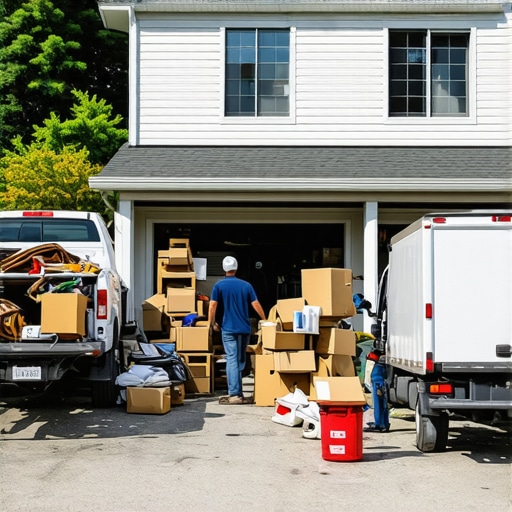
Loading a dumpster is an exercise in three dimensional geometry. We call it cubing out the truck. If you leave air pockets, you are burning money. We break down every box. We flat-pack the cardboard. We nest smaller items inside larger ones. A 15-yard dumpster can hold exactly 15 cubic yards of material, but only if the operator understands load density. When we handle a Garage Clean outs project, we start with the heavy, flat items on the bottom. We create a foundation. The wood waste from old shelving has a specific BTU potential that we consider for waste-to-energy conversion. We do not just throw. We stack. We optimize. The floor snapped once because a rookie put all the weight on the tailgate. Never again.
Why your old fridge is a chemical weapon
Appliance removal requires specialized handling to manage refrigerants like Freon and hazardous components like mercury switches or polychlorinated biphenyls. Federal law under the Clean Air Act prohibits the venting of these gases into the atmosphere during the disposal process of residential cooling units.
An old refrigerator is not just a metal box. It is a pressurized system of hazardous chemicals. Every time we perform an appliance removal in Aurora, we check the seals. We look for the EPA certification of the recovery technician. If a hauler tells you they just take it to the scrap yard, they are lying or breaking the law. The compressor must be drained. The oil must be separated. The steel casing is valuable, but the gasses are deadly. High-efficiency waste management means recapturing these materials before they leach into the groundwater. We treat every unit like a potential spill site. Safety is not a suggestion. It is the job.
| Disposal Method | Cost Basis | Typical Capacity | Best For |
|---|---|---|---|
| Dumpster Rental | Flat Rate + Overweight | 10-40 Cubic Yards | DIY Renovation |
| Full Service Hauling | Volume Based | Per 1/4 Truck | Hoarder Clean Out |
| Bag Services | Product Cost + Pickup | 3 Cubic Yards | Small Yard Waste |
| Municipal Bulk Pickup | Tax Funded | Specific Items | Single Furniture Piece |
The heavy arithmetic of furniture disposal
Furniture removal involves calculating the structural load limits of residential stairs and the volumetric impact on the transport vehicle. Old sofas and armoires often contain treated woods and polyurethane foams that require specific disposal streams to prevent long-term environmental contamination in local landfills.
Modern furniture is a disaster. It is mostly particle board and glue. It breaks during the first lift. Antique furniture is different. It is heavy. It is dense. When we do a hoarder clean out aurora, we have to distinguish between valuable hardwoods and the disposable junk of the last twenty years. The stairs groan under the weight of a solid oak dresser. We use 4-wheel dollies. We use moving straps. We protect the walls. If you are moving, you do not want to fix drywall because a junk hauler was clumsy. We measure every doorway twice. We cut once if we have to. The goal is the empty room. The goal is the clean slate.
The permit trap in Arapahoe County
Local Aurora disposal logic dictates that any dumpster placed on a public street must have a valid permit from the City of Aurora Public Works Department. Failure to secure these permits can result in immediate stop-work orders and significant daily fines for the property owner.
In Aurora, the streets are wide but the rules are tight. You cannot just drop a 20-yard bin on the asphalt and walk away. You need reflective tape. You need permits. If the bin is on your driveway, you are usually safe. But if it touches the street, the city wants its cut. We know the local transfer stations. We know the Tower Landfill hours. We know which roads are weight-restricted. This is the regional expertise that a national call center cannot provide. We navigate the bureaucracy so you can focus on the move. The logistics of the curb are just as complex as the logistics of the load.
“Effective solid waste management is the silent backbone of public health and urban stability.” – Solid Waste Association of North America
The items no truck will ever touch
Hazardous waste materials are strictly prohibited from general junk removal streams due to the risk of fire, chemical reactions, and environmental poisoning. These items must be taken to specialized household hazardous waste collection sites rather than being placed in residential dumpsters or trucks.
- Lead-acid batteries from vehicles or backup power systems
- Pressurized cylinders including propane tanks and fire extinguishers
- Volatile liquids such as gasoline, kerosene, and paint thinners
- Biohazardous materials including medical waste and needles
- Industrial chemicals and concentrated pesticides
- Fluorescent light tubes containing mercury vapor
- Ammunition and explosive materials
While most people think recycling is always better, the carbon footprint of hauling low-grade plastics 500 miles often exceeds the impact of local, high-efficiency waste-to-energy incineration. We have to be honest about where the junk goes. If it cannot be recycled locally, we find the most efficient disposal path. This is not about feeling good. This is about the physics of waste. We see the reality of the landfill every day. It changes how you look at your stuff.
The final weigh in
The truck is loaded. The suspension is compressed. We check the straps one last time. Every piece of junk we removed is one less burden for the moving company. You are not paying movers to carry trash. You are not paying for space you do not need. The logistics manager in me is satisfied when the truck is cubed out and the site is swept. We head to the scale. The weight is recorded. The job is done correctly. This is the only way to handle a move. This is the science of junk. Clean space is the result of disciplined disposal. The diesel engine roars. We move to the next pile. The cycle of waste continues, but today, it is under control.