
The physics of a failing floor
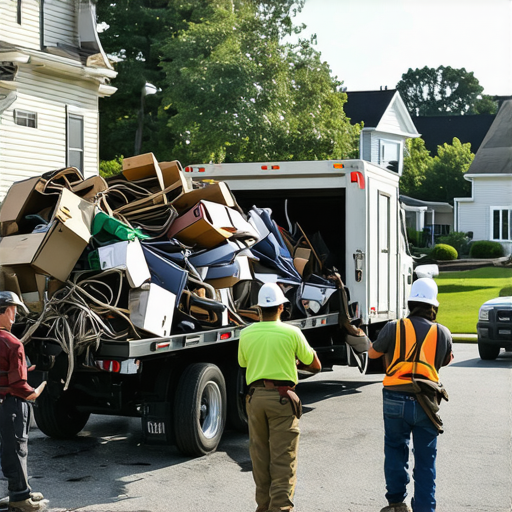
Hoarder clean out aurora operations require precise load management because vertical residential structures in York Region have strict weight tolerances for floor assemblies and elevator mechanics. Every pound of saturated paper and decaying organic matter exerts dead-load pressure that can compromise structural integrity. My team smells like diesel and hydraulic fluid before the sun even hits the Yonge Street corridor. We do not just haul junk. We manage the physics of mass and the logistics of density. I once cleared a house where the junk was not just stuff. It was a structural hazard. We found the floor joists were bowing under the weight of 40 years of newspapers that had absorbed ten years of basement humidity. The paper had reached a density comparable to wet concrete. This is the reality of extreme hoarding. It is a slow motion collapse that requires a veteran waste management strategist to navigate safely.
The hidden chemistry of residential decay
Hazardous waste identification is the primary safety barrier during any furniture removal or appliance removal task in high-density Aurora housing. You cannot simply throw a 1990s refrigerator into a dumpster because the chlorofluorocarbon (CFC) refrigerants are a major environmental liability under provincial law. We look for the chemical leaching of lead-acid batteries hidden under piles of clothing. We look for the bloated casings of lithium-ion batteries in old electronics. These are fire hazards that can ignite under the pressure of a hydraulic truck ram. In the Aurora condo environment, a fire in the loading dock is a catastrophic failure. We inspect every single item before it touches our trucks. The Resource Conservation and Recovery Act (RCRA) standards guide our sorting process. If we find household hazardous waste (HHW), it goes into a separate stream for the York Region Community Environmental Centres. We do not gamble with the safety of the building or the legality of the haul.
“Waste is merely a resource in the wrong place; professional removal is the science of putting it back where it belongs.” – Disposal Industry Maxim
The logistical nightmare of vertical junk removal
Appliance removal and furniture removal in modern condos require a deep understanding of elevator cycle times and narrow corridor navigation. A standard 15-yard truck has a specific cubic-yard density that we must respect to avoid cubing out before we hit the weight limit. We use the tetris method to eliminate air pockets. Every cubic foot of empty space in a truck is lost revenue and wasted fuel. For a 2026 Aurora project, we calculate the BTU potential of recovered wood waste to determine if it should go to a biomass facility or a standard C&D (construction and demolition) recycler. The narrow streets near the Aurora GO station make 20-yard dumpster rentals aurora permits a nightmare. We often recommend live-load services where the truck arrives and leaves within a two-hour window. This avoids the fines associated with blocking fire lanes or pedestrian pathways.
Why your cheap hauler is a legal time bomb
Your junk is your legal liability until it reaches a licensed transfer station and the tipping fee is paid and documented. A business owner tried to save 500 dollars by hiring a guy with a pickup truck from a social media ad. Two weeks later, the police called him because his company’s confidential files were found in a ditch. This is why professional junk removal Aurora services matter. We provide a manifest of disposal. We use the Miller Waste Systems or the Bloomington Road Landfill for legal tipping. When you hire an unlicensed hauler, you are responsible for where that waste ends up. If they dump a sofa in a local park, the city will look for identifying mail or tags. The cost of a professional service is insurance against environmental fines and legal headaches. We track the diversion rates to ensure we are meeting the 2026 sustainability targets set by the local municipality.
A technical comparison of disposal methods
| Method | Volume Capacity | Weight Limit | Best Use Case |
|---|---|---|---|
| 15-Yard Dumpster | 15 Cubic Yards | 2-4 Tons | DIY Garage Clean Outs |
| Full Service Truck | 18-24 Cubic Yards | Variable | Hoarder Clean Out Aurora |
| Curb-Side Pickup | Limited Items | Strict Caps | Single Furniture Removal |
| Commercial Roll-Off | 40 Cubic Yards | 10 Tons | Industrial Site Clearances |
The heavy cost of keeping everything
The psychological weight of a cluttered space often mirrors the physical strain on the building’s infrastructure. We analyze the structural load limits of residential stairs during a piano removal. If a staircase is rated for 100 pounds per square foot, and you have four men plus a 600-pound upright piano, you are pushing the limit. We use specialized ramps and mechanical advantage to distribute that weight. It is about the math of the move. While most people think recycling is always better, the carbon footprint of hauling low-grade plastics 500 miles often exceeds the impact of local, high-efficiency waste-to-energy incineration. We make these calls on-site. We are looking for the most efficient path for every kilogram of waste. This is the difference between a laborer and a waste management strategist.
“Effective waste management is the silent pillar of urban public health.” – SWANA Technical Manual
Items your hauler cannot legally touch
- Propane tanks and pressurized cylinders.
- Wet paint and volatile industrial solvents.
- Biohazardous materials and medical sharps.
- Unsealed lead-acid batteries.
- Ammunition or explosive materials.
- Asbestos-containing insulation or tiles.
Maximizing efficiency in Aurora garage clean outs
Garage clean outs often reveal the most significant environmental risks due to the storage of old pesticides and automotive fluids. We treat these spaces as micro-transfer stations. We sort on-site. We separate the ferrous metals from the non-ferrous ones. Aluminum siding and copper piping go to the scrap yard. The broken particle-board furniture goes to the wood waste pile. We do not just toss it all in. We maximize the value of the load. This reduces the tipping fee at the scale. If we can lower the weight of the general trash, we save the client money. In 2026, the cost per ton at the landfill is only going up. Intelligence in sorting is the only way to keep prices stable. We use the science of waste density to ensure every trip to the transfer station is optimized for maximum volume and minimum weight penalties.
This post highlights the incredible complexity behind professional junk removal, especially in an urban environment like Aurora. I was particularly struck by the detailed attention to hazardous waste management, which is often overlooked by homeowners attempting DIY clear outs. It really emphasizes that what seems like simple clutter removal can involve serious safety and legal considerations, from asbestos to lithium batteries. I’ve dealt with similar situations when helping clients clear out older homes—sometimes what looks like just old furniture actually contains dangerous materials that require specialized handling. The logistical challenges, especially respecting elevator cycle times and weight limits, seem daunting but crucial to prevent damage or accidents. I wonder, how do the newer building regulations in Aurora influence these removal processes? Are there specific innovations being implemented to streamline junk removal while maintaining safety and compliance? It’s enlightening to see how strategic waste management isn’t just about efficiency but also about protecting residents and the environment.