
Hoarder Clean Out Aurora: Dealing with Sentimental Clutter
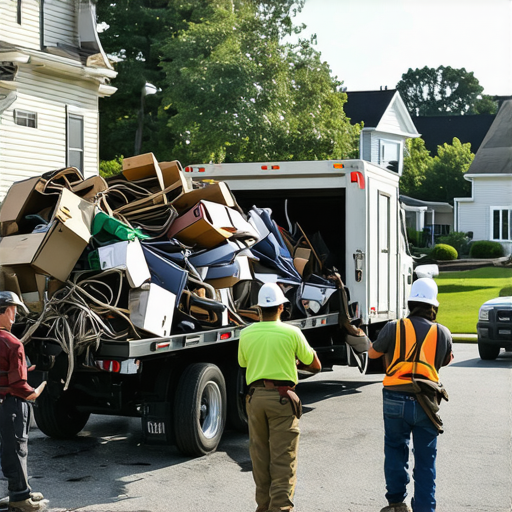
I once cleared a house where the junk was not just stuff. It was a structural hazard. We found the floor joists were bowing under the weight of 40 years of newspapers that had absorbed ten years of basement humidity. The air was thick with the scent of fermented pulp and diesel fumes from our idling trucks. Every step on those stairs felt like a gamble with gravity. This is the reality of a Hoarder Clean Out Aurora project. It is not just about moving boxes. It is about managing mass and moisture. I have spent twenty five years in the waste management sector. I do not see a room filled with memories. I see tons per square foot. I see a logistical puzzle that requires a 15 yard dump truck and a crew that knows how to cube out a load to eliminate the air tax. When you deal with sentimental clutter, you are fighting against the physics of accumulation and the emotional gravity of the past. The floors in these Aurora homes were never meant to hold ten tons of magazines and broken furniture. The nails start to scream. The wood starts to split. My job is to intervene before the structure fails entirely. This is heavy haulage. This is environmental recovery. This is the science of disposal. [IMAGE_PLACEHOLDER]
The physical cost of keeping the past
Hoarder Clean Out Aurora projects require specialized logistics to manage high density sentimental clutter. These sites often involve heavy volumes of paper, textiles, and organic waste that exceed standard residential load limits. Professional junk removal teams must calculate floor load capacities and utilize specialized PPE to ensure site safety during the extraction process. When we approach a stack of 1970s magazines, we are looking at a density of roughly 40 pounds per cubic foot. In a standard ten by ten room stacked five feet high, that is 500 cubic feet of paper. That is 20,000 pounds. Ten tons of weight in one corner of a house. Most residential floors are designed for a live load of 40 pounds per square foot. You are sitting at 200 pounds per square foot. The floor is failing. We have to staged the removal. We cannot just grab everything at once. We start at the top of the pile. We reduce the weight on the joists. We use hand trucks with pneumatic tires to distribute the weight across more surface area. Every trip to the truck is a calculated move. We are not just hauling junk. We are performing a structural intervention. The sentimental value of a newspaper from 1984 does not change its weight. It still weighs enough to break a joist. We treat every item with respect but we prioritize the structural integrity of your home. Junk Removal Aurora is about safety first. The debris is the enemy. The truck is the solution. We pack the truck like a Tetris game. We leave no air space. Air space is wasted money. We stack the heavy stuff at the bottom. We put the light stuff on top. We tie it down. We move to the next load. This is how you clear a hoard.
Legal hazards of Aurora waste streams
Junk Removal Aurora services must comply with local municipal codes and the Resource Conservation and Recovery Act guidelines for hazardous materials. Homeowners are often unaware that their sentimental collections contain items prohibited from standard landfills, such as lead acid batteries, old thermostats containing mercury, and pressurized cylinders. Illegal dumping is a plague in the Fox Valley area. People hire curbside cowboys who promise a low price. Then those cowboys dump your confidential files in a ditch on the edge of town. Your junk is your liability until it hits the scale at the transfer station. We provide a manifest. We show you the tipping fee receipt. We are pros. We know the difference between Class D waste and hazardous materials. When you do a Garage Clean outs project, you usually find old paint and chemicals. You cannot just throw those in a 20 yard dumpster. They leak. They catch fire in the back of the truck. I have seen a truck bed go up in flames because someone hid a pool chemical jug inside a pile of old clothes. We inspect everything. We look for the symbols. We look for the danger. We follow the law. It protects you. It protects the environment. Local transfer stations in Aurora have strict rules about what they will take. If we show up with a load that has tires hidden in the middle, they fine us. They might even ban our trucks. We do not take that risk. We sort on site. We separate the metal. We separate the wood. We maximize the diversion rate. Every pound we keep out of the landfill is a win for the planet. But it has to be done by the book.
“Waste is merely a resource in the wrong place; professional removal is the science of putting it back where it belongs.” – Disposal Industry Maxim
Why furniture removal breaks more than just backs
Furniture Removal in hoarding situations often involves items that have become structural components of the clutter wall. These pieces are frequently constructed of low grade particle board that absorbs moisture and loses structural integrity over time. Removing these items requires careful dismantling to prevent accidental collapses of the surrounding debris. Modern furniture is garbage. It is glue and sawdust. It breaks if you look at it wrong. When it sits in a humid basement for a decade, it becomes a sponge. A dresser that weighed 100 pounds new now weighs 250 pounds because of the water it has sucked out of the air. It will crumble in your hands. We use straps. We use dollies. We use brute force when necessary. But we prefer technique. We navigate narrow hallways. We protect the walls. Even in a hoard, we do not want to cause more damage. Appliance removal is another beast. An old refrigerator from the 1950s weighs four times what a modern one does. It is full of heavy steel and thick insulation. It might also have a compressor full of Freon. You cannot just vent that. It is a federal crime. We recover the refrigerant. We recycle the steel. A single old fridge can yield 200 pounds of high grade scrap metal. That is why we do not just toss it. We process it. We look for the value in the waste. We look for the recovery potential. The heavy cost of keeping everything is the space you lose. We give that space back. One heavy lift at a time. The floor snapped. The truck groaned. We moved another load.
| Material Category | Diversion Potential | Landfill Lifespan | Handling Difficulty |
|---|---|---|---|
| Untreated Wood | 95% | 15-25 Years | Moderate |
| Low-Grade Plastics | 5% | 450+ Years | Low |
| Ferrous Metals | 100% | Indefinite | High |
| Textiles | 40% | 50-100 Years | Low |
| Particle Board | 0% | 20-40 Years | High |
The hidden chemistry of your garage clean outs
Garage Clean outs frequently uncover legacy chemicals and hazardous materials that require specialized disposal protocols under EPA regulations. Common sentimental clutter in garages includes old car parts, half empty solvent containers, and garden chemicals that have become unstable over decades of temperature fluctuations. You think you are just cleaning out the garage. You are actually managing a hazmat site. Old gasoline smells like varnish. It is highly flammable. Lithium batteries are a ticking time bomb. If we crush one in the hydraulic packer of our truck, it starts a thermal runaway. The truck burns. The street burns. We are trained to spot these things. We check the corners. We look under the workbenches. We do not just shovel everything into a pile. We identify. We isolate. We dispose of it properly. This is the difference between a professional service and a guy with a trailer. We have the permits. We have the insurance. We have the knowledge. While most people think recycling is always better, the carbon footprint of hauling low grade plastics 500 miles often exceeds the impact of local, high efficiency waste to energy incineration. We choose the path that makes the most sense for the environment. We look at the total impact. We do not just follow trends. We follow data. We follow the science of waste. Your garage is a data overflow of your life. We help you reset the system. We clear the cache. We remove the physical errors. We restore the function of your home.
- Lead acid batteries and automotive fluids
- Propane tanks and pressurized cylinders
- Wet paint and liquid solvents
- Asbestos containing insulation or floor tiles
- Biohazardous waste or medical needles
- Industrial grade pesticides and herbicides
- Large quantities of tires with rims
Logistics of the 20 yard dumpster rental Aurora choice
Dumpster Rentals Aurora provide a stationary solution for long term clean out projects where sorting sentimental items requires significant time. Selecting the correct size, such as a 15 yard or 20 yard container, is essential for managing the weight limits of the haulers and the space constraints of residential driveways. A 20 yard dumpster is roughly 22 feet long. It takes up a lot of space. If you put it on the street in Aurora, you might need a permit. If you put it on your driveway, it might crack the concrete if the load gets too heavy. We use wooden planks to protect your property. We talk about the tonnage. A 20 yard dumpster usually has a 2 or 3 ton limit. If you fill it with old books and magazines, you will blow past that limit in the first five feet. Then the truck cannot lift it. Or the driver gets a ticket at the scale. We help you estimate the weight. We help you choose the right tool for the job. Junk Removal Aurora is not just about the big metal box. It is about the strategy. If you have a lot of heavy debris like concrete or dirt, you need a smaller 10 yard dumpster. If you have bulky furniture, the 20 yard is better. We look at the load density. We calculate the volume. We make sure you do not pay for air. We make sure you do not pay for weight overages. It is a balance. It is a science. We are the experts. We know the math of the dump. We know the cost of the haul. We save you money by being smart.
“The Resource Conservation and Recovery Act (RCRA) creates the framework for the proper management of hazardous and non-hazardous solid waste.” – Environmental Protection Agency
How we process sentimental density
Hoarder Clean Out Aurora operations must balance the need for rapid debris removal with the sensitivity required for sorting sentimental items. This process involves a triage system where items are categorized by material type and disposal requirements while respecting the homeowner’s emotional attachment to the property. We use a three pile system. Trash. Recycle. Donate. But there is a fourth pile. The Keep pile. We work with you. We do not just throw things away. We find the treasures in the trash. We find the photos. We find the important papers. We find the items that actually have value. Then we deal with the rest. The rest is mass. The rest is volume. We move it out. We clear the paths. We make the house safe again. We reduce the fire load. We eliminate the tripping hazards. We restore the airflow. A hoard is a stagnant system. We bring movement back. We bring life back. The diesel engine idles outside. The crew moves with purpose. We are the masters of the heavy load. We are the waste management strategists. We see the end of the project before we start the first hour. We see the clean floor. We see the empty garage. We see the relief on your face. That is why we do this. It is a tough job. It is a dirty job. But it is a necessary job. We handle the junk so you can handle your life. We take the weight off your floors and off your mind. The truck is full. The tarp is down. The job is done. We head to the scale. We prepare for the next load. This is the life of a hauler. This is the reality of waste. We make it disappear. We do it right.