The phantom liability of industrial debris
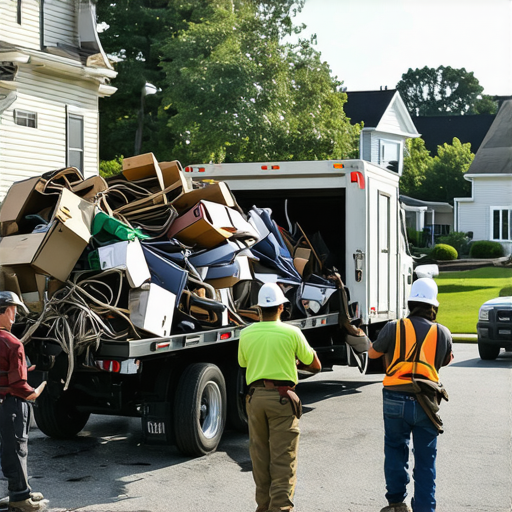
Commercial junk removal in Aurora Industrial Park involves the systematic extraction, transportation, and documented disposal of non-hazardous and specialized waste from manufacturing or warehousing facilities. This process requires adherence to local zoning laws, weight limits on municipal roads like Eola Road, and strict tipping protocols at regional transfer stations. Failure to secure a professional manifest can result in heavy fines if debris is found illegally dumped in local waterways or forest preserves. I have spent twenty five years watching the hydraulic fluid leak from poorly maintained lift gates and hearing the groan of overloaded axles. The industry is not just about moving weight. It is about the physics of the load and the legality of the landfill. I once saw a business owner try to save 500 dollars by hiring a guy with a pickup truck from a social media ad. Two weeks later, the police called him because his company confidential files were found in a ditch near the Fox River. Your junk is your liability until it hits the scale at the transfer station. The paper trail is your only defense against environmental litigation. Professional Junk Removal Aurora services ensure that your company name does not end up on a citation for illegal dumping. We track every cubic yard. We document every pound. We protect your brand from the negligence of curbside cowboys. Working in the Aurora Industrial Park presents unique logistical hurdles. The loading docks are often narrow. The traffic near the I-88 interchange is constant. You need a team that understands the timing of a live load to avoid blocking logistics for neighboring businesses.
The hidden physics of the 15 yard bin
Maximizing the capacity of a 15 yard dumpster involves calculating material density and air gap minimization to ensure the highest possible weight to volume ratio. This process, known as cubing out the truck, is the difference between a profitable clearout and a logistical nightmare. When we handle a Garage Clean out Aurora, we are often dealing with mixed materials that have varying compression rates. Soft goods like insulation or old cardboard take up massive space but weigh nothing. Heavy debris like concrete or scrap steel must be placed at the bottom to maintain the center of gravity for the truck. Breaking down Furniture Removal items is a manual necessity. Particle board furniture is essentially compressed sawdust and glue. It takes up four times its weight in volume if not demolished. We use sledgehammers to return these items to their base components. This increases the density of the load. A standard 15 yard bin can hold about 2 to 3 tons of mixed waste if loaded by a professional. If loaded by an amateur, it holds barely 1.5 tons. That wasted space is money leaving your pocket. We look at a pile of warehouse debris and see a puzzle. We see the gaps. We see the air. Our goal is to eliminate that air. This level of precision is why professional Junk Removal is a technical trade rather than just a labor service.
“Waste is merely a resource in the wrong place; professional removal is the science of putting it back where it belongs.” – Disposal Industry Maxim
The heavy cost of keeping everything
Hoarder clean out aurora projects require specialized psychological awareness and extreme structural safety protocols to mitigate the risks of collapsing debris and biohazard exposure. In these environments, the junk acts as a structural element. I once cleared a house where the junk was not just stuff. It was a structural hazard. We found the floor joists were bowing under the weight of 40 years of newspapers that had absorbed ten years of basement humidity. The weight was astronomical. Every cubic foot of wet paper weighs approximately 60 pounds. Multiply that by a room filled to the ceiling. The floor snapped. We had to shore up the basement before we could even begin the removal. This is the reality of extreme accumulation. It is not just a mess. It is a dead load that the residential architecture was never designed to support. We utilize heavy duty respirators because the dust disturbed during these removals is often laced with mold spores and dried pest waste. We do not just lift. We inspect. Every. Single. Item. We look for hidden dangers like pressurized cans, old mercury thermostats, or leaking lead acid batteries. The logistical zooming required for these jobs is intense. We have to map out the exit path to ensure the stability of the floor as the weight shifts during the extraction process.
| Disposal Method | Cost Basis | Efficiency Rate | Best For |
|---|---|---|---|
| Roll-Off Dumpster | Flat Fee + Overage | Low (User Loaded) | Long-term renovation |
| Full-Service Removal | By Volume (Cubic Yard) | High (Pro Loaded) | Immediate clearouts |
| Weight-Based Scrapping | Per Ton | Variable | Heavy metal/concrete |
| Municipal Bulk Pick-up | Fixed Tax/Small Fee | Very Low | Single appliances |
Why metal recovery beats the landfill every time
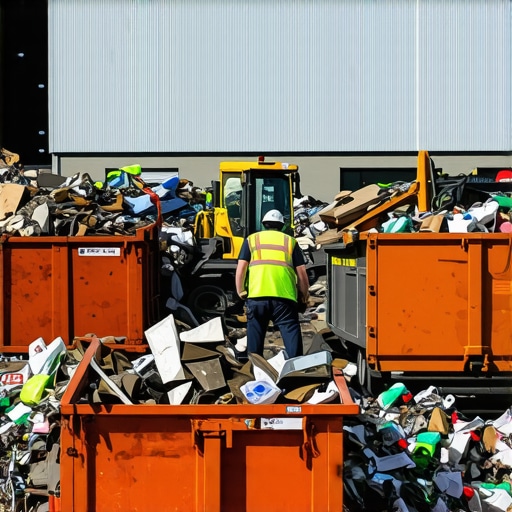
Scrap metal recovery in Aurora provides a superior environmental outcome compared to landfilling because it reduces the carbon intensity of raw material extraction and keeps heavy metals out of the groundwater. While most people think recycling is always better, the carbon footprint of hauling low grade plastics 500 miles often exceeds the impact of local high efficiency waste to energy incineration. However, metal is different. Iron, aluminum, and copper have nearly infinite lifecycles. When we perform an Appliance removal, we are not just taking an old fridge to the dump. We are recovering the steel casing, the copper windings in the compressor, and the aluminum coils. We must legally recover the refrigerants first. Venting Freon into the atmosphere is a federal offense. We use vacuum recovery systems to capture these gases. Then we strip the unit. This is the granular reality of junk disposal. It is a disassembly line. We recover the BTU potential of clean wood waste by sending it to mulch facilities or biomass plants. We divert as much as 80 percent of a standard warehouse clearout away from the landfill. This is the diversion rate. It is the metric that matters for corporate sustainability reports. If your hauler cannot tell you their diversion rate, they are just a middleman for the landfill.
“Landfill capacity is a finite municipal resource; diversion through professional sorting is the only path to sustainable urban growth.” – SWANA Technical Manual
The checklist of forbidden industrial waste
Professional haulers are legally prohibited from transporting certain hazardous materials under federal RCRA guidelines to prevent environmental contamination and vehicle fires. You must handle these items through specialized hazmat channels. Attempting to hide these in a Dumpster Rentals Aurora bin is a recipe for disaster. The heat generated by a garbage truck compactor can easily rupture a hidden canister or crush a battery, leading to a chemical fire that is nearly impossible to extinguish on the road. Here are the items we cannot touch:
- Lead-acid automotive batteries and large lithium-ion packs.
- Industrial solvents, thinners, and chemical degreasers.
- Unsealed asbestos insulation or floor tiles.
- Pressurized cylinders including propane, oxygen, or acetylene.
- Fluorescent light ballasts containing PCBs.
- Medical waste including sharps and biohazard containers.
- Wet paint, oil, and liquid petroleum products.
The Aurora industrial permit trap
Navigating the permit requirements for large scale dumpster placement in Aurora requires an understanding of city easements and commercial right of way regulations. In the industrial parks near the airport or the northern manufacturing corridors, you cannot just drop a 40 yard bin in the street. You need a permit from the city or the management company. If the bin blocks a fire lane, the fire marshal will shut your project down in minutes. We coordinate these logistics. We know which areas require plywood padding to protect the asphalt from the heavy steel rollers of the dumpster. We understand that the summer heat makes the blacktop soft. A heavy bin will sink. It will tear up your parking lot. We use dunnage to spread the load. This is the difference between a veteran strategist and a rookie. We look at the ground before we look at the junk. We check for overhead wires and low hanging branches that might snag the hoist during the pick up. Every detail matters when you are moving twenty tons of debris through a busy industrial zone.
Furniture removal and the death of particle board
Modern office furniture is largely composed of Medium Density Fiberboard which offers poor structural longevity and presents significant volume challenges during disposal. This material cannot be easily donated because it lacks the structural integrity to survive a second move. When we handle large scale office clearouts in Aurora, we focus on the breakdown of these desks. They are mostly air and glue. We use power tools to reduce a 6 foot desk into a flat stack of boards. This allows us to fit an entire office floor into a single truck. If we hauled them whole, we would need five trucks. That is a waste of fuel. It is a waste of time. We sort the metal frames from the wood tops. The steel goes to the scrap yard. The MDF goes to the transfer station. This is the logistical zooming of the job. We look at a workstation and see the hex bolts and the cam locks. We know exactly where to strike to make it collapse. This efficiency is how we keep costs low for our commercial clients. We do not charge you to haul air. We charge you to haul debris.