The weight of a forgotten decade
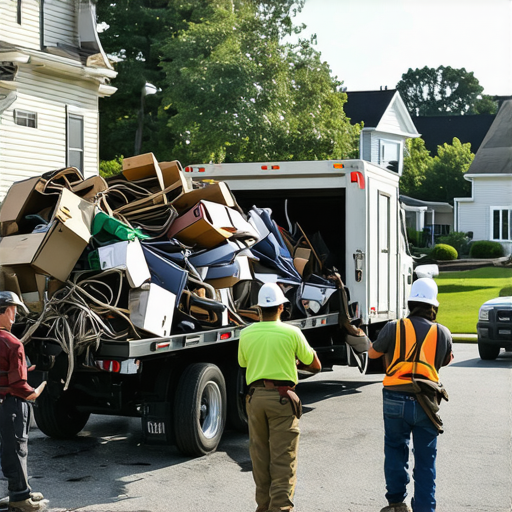
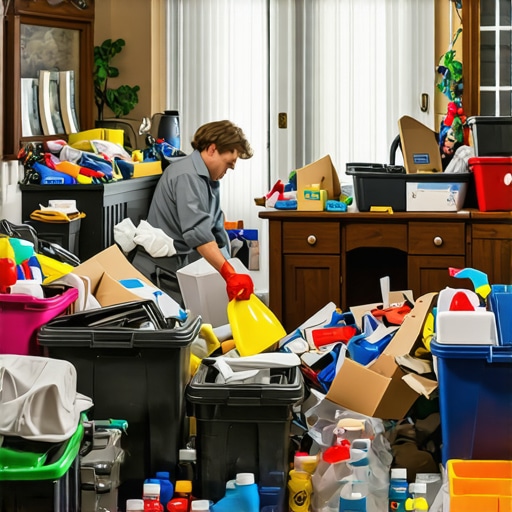
I once cleared a house where the junk wasn’t just stuff. It was a structural hazard. We found the floor joists were bowing under the weight of 40 years of newspapers that had absorbed ten years of basement humidity. The stack was six feet high. The bottom layers had compressed into a dense, peat-like block of cellulose and mold. We had to use chainsaws to segment the mass. Every cut released spores that clogged our respirators. This is the reality of a Hoarder Clean Out aurora project. It is not about tidying up. It is about mitigating a slow-motion architectural collapse. The diesel engine of our 15-yard truck idled outside, a reminder that every pound we extracted had a destination and a cost. I checked the hydraulic fluid levels before we started. The pressure needed to lift three tons of damp paper is immense. You do not just walk into a situation like this without a plan. You analyze the load paths. You check for structural rot. You calculate the tipping fees at the Denver Arapahoe Disposal Site before the first bag is filled.
The physics of a cubic yard
Cubic yard density determines the total tonnage of a load and influences the tipping fees at the Aurora landfill. One cubic yard of loose household debris weighs approximately 250 pounds, while compacted construction waste can exceed 1,500 pounds per yard depending on material moisture. Understanding these ratios is how a master hauler avoids exceeding the Gross Vehicle Weight Rating of the truck. If you pack a truck with too much dense material like old books or magazines, you risk snapping an axle. If you leave too much air in the load, you are burning fuel to transport oxygen. We call this cubing out. It is a game of physical Tetris where the goal is 100 percent volume utilization. Every gap is a failure. Every loose corner is wasted profit and unnecessary carbon emissions. For Junk Removal Aurora operations, the difference between a profitable run and a loss is often found in how tightly the technician can nest a disassembled sofa inside a refrigerator shell.
[IMAGE_PLACEHOLDER]
The chemical reality of residential waste
Hazardous waste identification is the primary safety protocol during any Garage Clean outs or Furniture Removal task in Aurora. Many homeowners do not realize that household cleaners, lead-acid batteries, and mercury-containing thermostats are regulated under the Resource Conservation and Recovery Act. When these items are crushed in the back of a packer truck, they release toxins that can ignite or leach into the soil. I have seen a small pile of yard waste turn into a fireball because someone hid a pool chemical container inside a bag of grass clippings. We don’t just lift. We inspect. We look for the telltale signs of corrosion on the bottom of metal drums. We look for the oily sheen of hydraulic fluid or the pungent scent of ammonia. If we find it, the process stops. We follow the manifest. We ensure the chemicals go to a specialized facility, not the local ditch.
“Waste is merely a resource in the wrong place; professional removal is the science of putting it back where it belongs.” – Disposal Industry Maxim
The logistics of heavy metal
Appliance removal requires specific EPA certification for the recovery of refrigerants such as R-22 or R-134a which are potent greenhouse gases. In Aurora, tossing a refrigerator into a standard dumpster is a violation of 40 CFR Part 82 which can result in thousands of dollars in fines for the property owner. The compressor must be professionally drained, and the refrigerant must be captured in a pressurized cylinder. Only then can the steel body be sent to a scrap processor for recovery. The physics of moving these units is also brutal. A vintage cast iron stove can weigh 500 pounds. The center of gravity is usually offset. You cannot rely on muscle alone. You use specialized dollies with caterpillar tracks for stairs. You use the mechanical advantage of ramps. You respect the weight, or the weight will break your floor and your back.
The math of waste containment
Dumpster Rentals Aurora are often the most cost-effective solution for long-term cleanouts where the volume of debris exceeds the capacity of a single truckload. A 20-yard container can hold approximately 110 to 130 13-gallon trash bags, but weight limits still apply. If you fill a dumpster with dirt or concrete, the truck will not be able to lift it. This is the trap many DIY renovators fall into. They think volume is the only metric. They forget about gravity. In the high desert climate of Aurora, the wind can also turn a dumpster into a debris cannon. You must tarp the load. You must distribute the weight evenly from front to back to ensure the roll-off hoist can engage the rail safely. If the load shifts during transport, the entire rig becomes a 40,000-pound projectile on the I-225.
Disposal Cost Comparison
| Waste Type | Cubic Yard Volume | Estimated Weight (lbs) | Disposal Priority |
|---|---|---|---|
| Loose Cardboard | 1 yd | 50-100 | High Recovery |
| Wet Sheetrock | 1 yd | 450-600 | Landfill |
| Mixed Junk | 1 yd | 250-300 | Sorting |
| Dense Concrete | 1 yd | 2,000+ | Specialized Recycler |
The sanitation hazard of hoarding
Hoarder Clean Out aurora projects are biological recovery missions that involve pathogen mitigation and pest control as much as junk hauling. When items stay in one place for decades, they create microclimates. Mice and insects thrive in the undisturbed layers of cardboard and cloth. Their waste products become airborne when you move the items. This is why we wear PPE. We aren’t just protecting ourselves from the dust. We are protecting ourselves from Hantavirus and mold spores. The goal is to restore the home to a habitable state. This involves more than just clearing the path to the door. It involves stripping the space back to its non-porous surfaces. We look for the staining on the subfloor. We look for the rot in the drywall. We treat the space as a crime scene where the victim is the building itself.
“The management of hazardous household waste requires precise identification to prevent groundwater contamination and landfill fires.” – Solid Waste Association of North America (SWANA)
Items Your Hauler Cannot Legally Touch
- Wet paint and solvent-based thinners
- Propane tanks or pressurized canisters
- Biological and medical waste
- Sealed metal drums of unknown origin
- Asbestos-containing flooring or insulation
- Gasoline and automotive fluids
Why your cheap hauler is a legal time bomb
Illegal dumping is a criminal offense in Colorado that can lead to vicarious liability for the original property owner. If you hire a guy with a pickup truck because he is fifty dollars cheaper, and he dumps your old tires and Furniture Removal items in a vacant lot, the authorities will track the mail or documents found in the pile back to you. You are responsible for your waste until it is officially weighed and recorded at a licensed facility. A professional service provides a receipt from the transfer station. They provide a guarantee of legal disposal. The risk of a fine from the city of Aurora far outweighs the small savings of an unvetted hauler. You are paying for the peace of mind that your junk isn’t ending up in the Cherry Creek reservoir. Final logistics require a paper trail. If there is no receipt, there was no professional service.