The gravity problem in your basement
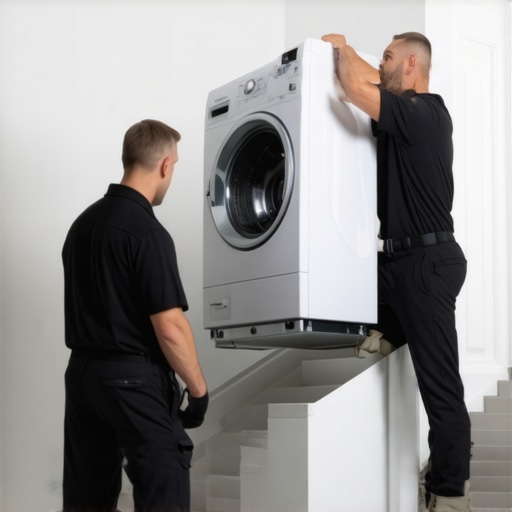
Moving a heavy washer and dryer up steep basement stairs requires a motorized stair-climbing dolly, high-tensile ratcheting straps, and a clear path through the residence. Professional haulers prioritize the center of gravity of the appliance and use leverage physics to prevent structural damage to wooden stair treads or drywall corners. Without the correct load-bearing equipment, a simple appliance removal can lead to catastrophic spinal injury or expensive floor repairs.
The hazardous surprise on a routine job
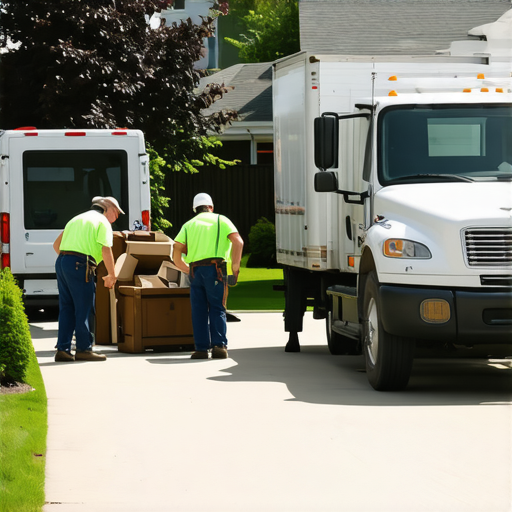
I watched a rookie almost lose his eyebrows because a customer hid a half-full propane tank inside a pile of harmless yard waste. We do not just lift, we inspect. Every. Single. Item. This was back in 2008 during a garage clean out service that seemed routine. The homeowner wanted a quick junk removal aurora job done for cash. My junior tech grabbed a bundle of old plastic garden lattice. As he tossed it into the hopper of the truck, the lattice shifted. Inside was a rusty 20-pound propane cylinder with a leaking valve. The smell of mercaptan hit me first. I screamed for him to stop the hydraulic packer. If he had cycled that load, the compression would have sparked. The explosion would have leveled the truck and potentially the customer’s house. This is why furniture removal or couch removal involves more than muscle. It requires a technician who understands chemical volatility and load density. You are not just paying for a strong back. You are paying for an eye that can spot a hazardous material disguised as a discarded sofa. This obsession with safety is what separates a Veteran Waste Management Strategist from a guy with a rusted-out pickup truck from a social media ad. We treat every hoarder clean out service like a forensic site because it is a site of unpredictable variables. We have found lithium batteries in mattress removal piles and mercury switches inside old oven disposal units. The risk is real.
“Waste is merely a resource in the wrong place; professional removal is the science of putting it back where it belongs.” – Disposal Industry Maxim
The physics of the extraction
When you deal with a washer and dryer removal, you are fighting against static friction and potential energy. A standard top-loading washing machine can weigh up to 250 pounds due to the cast iron counterweights used to stabilize the drum during the spin cycle. When that machine is at the bottom of a 45-degree basement staircase, it is a dead weight waiting to crush toes. The stairs in older homes in Aurora are often built with narrow treads and risers that were never meant for modern appliance removal. The wood is often dried out, making it brittle. We use neoprene floor runners to protect the landing and plywood sheets to reinforce the stairs if they look questionable. We never pull the machine toward us. We push from below using a kick-bar dolly that transfers the weight to the wheels rather than the operator’s lower back. The dryer removal is lighter but more awkward because of the lint accumulation. Old dryer vents are often packed with highly flammable fibers. One spark from dragging a metal dryer across a concrete floor can ignite that lint. We seal the vents with industrial tape before moving. This is the logistical reality of waste management. It is about kinetic control.
Hazardous materials and the legal wall
Most homeowners do not realize that once an item enters a truck, the hauler becomes the generator of record for that waste under many local ordinances. This means if we pick up your fridge disposal and it contains illegal refrigerants like R-12, and we dump it improperly, the EPA can fine us up to $37,500 per day. We are extremely picky about what goes into the truck. We cannot touch lead-acid batteries, wet paint, gasoline, or industrial solvents without a specialized hazmat manifest.
| Item Type | Typical Weight (lbs) | Volume (Cubic Yards) | Disposal Difficulty |
|---|---|---|---|
| Washing Machine | 180-250 | 0.75 | High (Weight) |
| Dryer | 100-150 | 0.75 | Medium (Vents) |
| Standard Fridge | 250-400 | 1.5 | Very High (CFCs) |
| King Mattress | 100-150 | 2.0 | High (Density/Infestation) |
| Sectional Couch | 200-300 | 4.0 | Medium (Size) |
The logistics of the load
Space in a 15-yard truck is a currency. When we perform a garage clean out service, we do not just throw things in. We cube out the truck. This means we break down furniture removal items into their flat components. A couch removal is not just taking the sofa. It is removing the cushions to fill small gaps and standing the frame on its end to minimize the footprint. We call this load tetris. Wasted air is wasted money. If I leave a six-inch gap between a mattress removal and the truck wall, that is six inches of tipping fee I am paying for nothing. We look for high-density materials to put at the bottom to lower the vehicle center of gravity. This makes the truck safer to drive to the transfer station in Aurora. If the load shifts during a turn on a wet road, a poorly packed truck will roll. Every junk removal aurora project is a calculation of axle weight and volume. We have to be careful with oven disposal because the glass can shatter and puncture tires. We wrap those in moving blankets or shrink wrap before loading. It is a granular process.
The environmental impact of local Aurora disposal
In the Aurora region, we have strict rules about e-waste and appliance recycling. You cannot just drop a fridge at the Waste Management Orchard Hills Landfill without a certificate of CFC recovery. The Clean Air Act requires that 100 percent of the refrigerant gas be vacuumed out before the metal can be recycled. We use certified technicians for this. The BTU potential of the wood we recover from furniture removal is significant. Instead of letting it rot and release methane, much of it is diverted to waste-to-energy facilities. This is a contrarian view. While many think recycling is the only answer, high-efficiency incineration for certain low-grade plastics and treated woods can be more carbon-neutral than shipping those materials 500 miles to a processing plant. We track diversion rates for every hoarder clean out service. We aim for 70 percent diversion. That means only 30 percent of the volume actually hits a landfill cell. The rest is reclaimed metal, recycled paper, and repurposed furniture.
“Professional waste management is the final defense against the total contamination of our local water tables.” – Solid Waste Association of North America (SWANA)
- Sealed Containers: No open buckets of chemicals.
- Tires: Most local landfills charge a $15 surcharge per tire.
- Explosives: No ammunition or fireworks.
- Biohazards: No medical waste or needles.
- Propane Tanks: These must be empty and the valves removed.
The heavy cost of the curbside cowboy
If you hire a guy with a truck because his price is half of ours, you are taking a massive legal risk. If that person takes your mattress removal or oven disposal and dumps it in a ditch in Aurora, the police will find your confidential documents or serial numbers in the pile. You are then responsible for the remediation costs and the fines. Your junk is your liability until it hits the scale and a weight ticket is issued. We provide a transfer of liability. Once the fridge disposal is in our truck and we have your signature, the environmental risk is ours. We pay the tipping fees. We manage the hazmat manifests. We ensure the resource recovery is handled according to the Resource Conservation and Recovery Act. The logistics of junk removal are not just about lifting. They are about risk management and environmental stewardship. The physics of a basement move are hard, but the legal mechanics of waste disposal are harder. Do not let a cheap price turn into a legal nightmare. Focus on licensed professionals who understand the chemical and structural realities of the job.