Industrial-Scale Commercial Junk Disposal for Aurora Shops
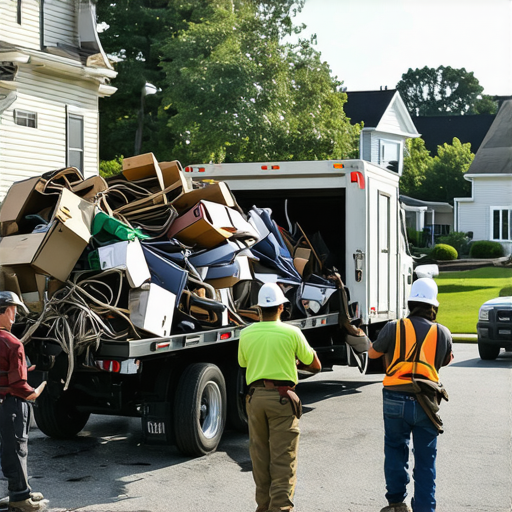
Smell the diesel. Listen to the hiss of the hydraulic pistons. That is the sound of efficiency. A business owner in Aurora once tried to save five hundred dollars by hiring a guy with a pickup truck he found on a social media ad. Two weeks later, the Aurora police called him because his company confidential files and three hazardous lead-acid batteries were found dumped in a ditch near Cherry Creek. Your junk is your liability until it hits the certified scale at the Denver Arapahoe Disposal Site. I have spent twenty-five years managing these loads. I have seen rookies lose eyebrows because of hidden propane tanks. I have seen floor joists buckle under the weight of wet paper. This is not just hauling. This is logistics.
The phantom overhead of commercial clutter
Commercial waste management requires a calculated approach to cubic yard density to avoid wasted truck space. Every cubic inch of air in a truck bed represents lost profit and unnecessary fuel consumption. When we look at a shop in Aurora, we do not see a mess. We see a puzzle. We see materials that must be cubed out. We calculate the Gross Vehicle Weight Rating to ensure we are not a rolling hazard on I-225. A 15-yard truck has a specific footprint. If you pack it poorly, you are paying for the transport of Colorado air. That is a failure of logic. We break down every pallet. We dismantle every display rack. We ensure the load is tight. A tight load is a safe load. A safe load is a legal load. The Resource Conservation and Recovery Act, known as RCRA, sets the standard for how we handle this volume. You do not want a federal auditor asking where your industrial shop waste went. You want a manifest. You want a weight ticket. You want peace of mind.
“Waste is merely a resource in the wrong place; professional removal is the science of putting it back where it belongs.” – Disposal Industry Maxim
Why your liability never ends at the curb
Illegal dumping and improper disposal of commercial assets can lead to massive fines and long-term environmental litigation. Many Aurora business owners assume that once the junk leaves their parking lot, it is no longer their problem. This is a dangerous lie. The law tracks the generator of the waste. If a cut-rate hauler dumps your old shop monitors in a field, the serial numbers lead back to you. We provide a chain of custody. We use local transfer stations like the ones off Tower Road. We pay the tipping fees. We follow the rules because the alternative is a reputation-destroying lawsuit. While most people think recycling is always better, the carbon footprint of hauling low-grade plastics five hundred miles often exceeds the impact of local, high-efficiency waste-to-energy incineration. This is the contrarian reality of waste management. Sometimes, the most ethical path is the high-heat furnace, not the recycling bin that ends up in a landfill anyway.
The mechanical physics of appliance disposal
Professional appliance removal involves managing heavy metals and hazardous refrigerants that require specialized extraction tools. When we handle Appliance removal, we are looking at more than just weight. We are looking at chemical hazards. Old shop refrigerators contain R-22 or R-134a refrigerants. These are potent greenhouse gases. Venting them is a violation of EPA Section 608. We use recovery cylinders. We track the ounces. The physics of moving a three-hundred-pound commercial freezer down a flight of narrow Aurora basement stairs is a lesson in leverage and friction. We use specialized dollies. We use straps. We use our brains before we use our backs. The structural load limits of residential or commercial stairs are not suggestions. We have seen wood snap like toothpicks under the weight of an old cast iron stove. We calculate the force. We distribute the weight. We protect the property.
Industrial volume math for Aurora retail units
Choosing between a dumpster rental and full-service junk removal depends on labor availability and site permit restrictions. In Aurora, placing a 20-yard dumpster on a public street requires a permit. It requires coordination with the city. If you have a parking lot, you have more freedom. But a dumpster is a magnet for other people’s trash. Neighbors will fill it overnight. You will pay for their junk. Full-service removal eliminates this risk. We arrive. We load. We disappear. The math is simple. If your shop staff spends ten hours moving junk, that is ten hours of lost revenue. Our team does it in two. Time is the most expensive material in your shop.
| Method | Cost Structure | Best For | Labor Requirement |
|---|---|---|---|
| Dumpster Rentals Aurora | Flat fee + Overweight | Long-term projects | Extremely High |
| Junk Removal Aurora | By Volume and Weight | Rapid Site Clearing | Zero |
| Municipal Bulk Pickup | Low Flat Fee | Single Items | Moderate |
Prohibited materials and the legal firewall
Professional haulers must adhere to strict guidelines regarding hazardous materials to ensure compliance with state and federal laws. There are things we cannot touch. It is not because we are lazy. It is because we are professionals. We do not risk our trucks or our team for hazardous chemicals. We do not transport biohazards. We do not move unsealed asbestos. The Aurora municipal code is clear on this. If we find these items during a Garage Clean out or a shop clearing, we pause. We notify the client. We provide a list of specialized hazmat contractors. Safety is the only priority that matters. We do not cut corners. We do not hide the paint cans under the old carpet.
- Lead-acid batteries from industrial equipment
- Unlabeled chemical drums or solvents
- Pressurized tanks including oxygen and propane
- Wet paints and volatile thinners
- Asbestos-containing insulation or floor tiles
- Medical waste and sharps
The structural hazard of commercial hoarding
A Hoarder Clean Out in an Aurora commercial space requires structural engineering awareness to prevent floor collapse. I once cleared a space where the junk was the only thing holding up the ceiling. The material had been packed so tight that it acted as a secondary support column. When we started removing the newspapers and old textiles, the beams began to groan. We had to shore up the structure. This is the reality of extreme hoarding. It is not just about cleaning. It is about structural integrity. The junk absorbs moisture. It gains weight over time. It attracts vermin. It becomes a fire trap. We approach these jobs with masks and heavy-duty gloves. We use industrial air scrubbers. We treat the site like a recovery zone because it is one.
“Proper disposal of large-scale commercial waste is the primary defense against long-term site contamination and legal liability.” – SWANA Technical Guide
Local tipping realities at Aurora transfer stations
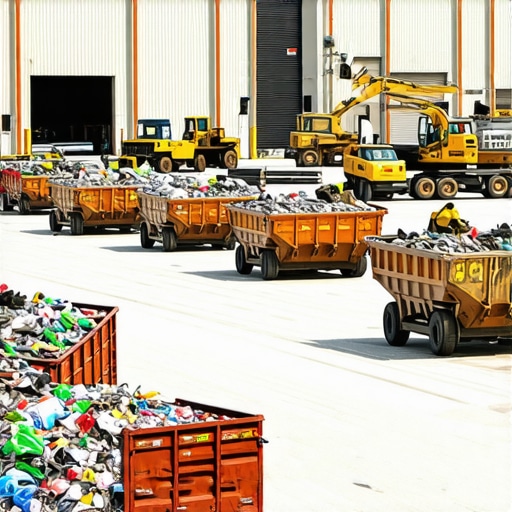
Navigating the Denver Arapahoe Disposal Site requires an understanding of peak hours and specific material separation rules. If you show up at the landfill at ten in the morning, you will sit in a line of sixty trucks. You will waste two hours of diesel. We go early. We know the operators. We know which bays are for clean wood and which are for general MSW (Municipal Solid Waste). Aurora is growing fast. The landfills are filling up. Tipping fees increase every year. We monitor these costs daily. We pass the efficiency to you. Whether it is a Garage Clean out or Furniture Removal from a retail floor, we manage the logistics so you can manage your business. The floor is clean. The truck is full. The job is done. No excuses. No wasted air.