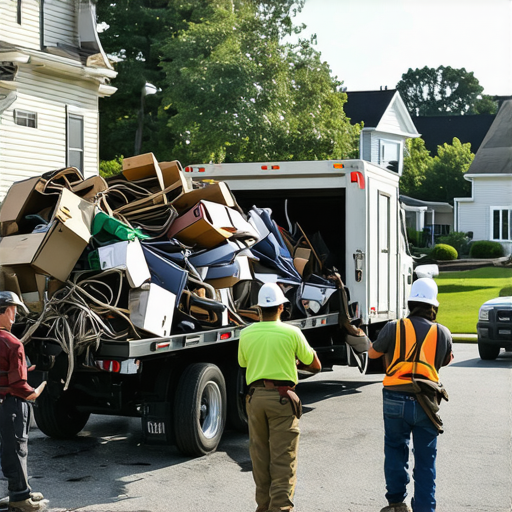
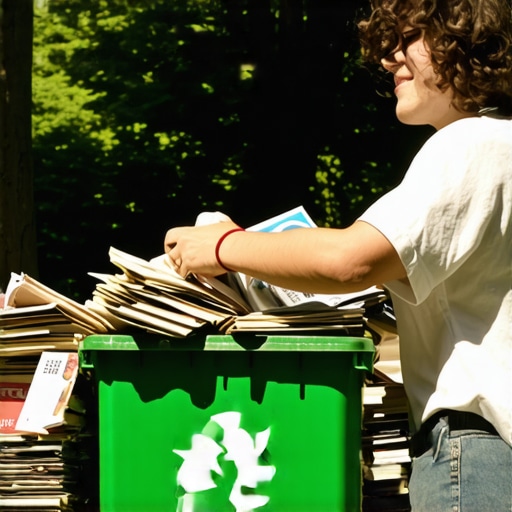
I once cleared a house where the junk wasn’t just ‘stuff.’ It was a structural hazard. We found the floor joists were bowing under the weight of 40 years of newspapers that had absorbed ten years of basement humidity. Those stacks weren’t just archives. They were literal tons of dead weight pressing against the foundation of the home. The smell of diesel from our idling 15-yard truck mixed with the pungent, sweet rot of decaying cellulose. Every time we lifted a stack, the wood underneath groaned, relieved of a pressure it was never meant to sustain. This is the reality of junk removal in Aurora when high-density materials like books and magazines are involved. It is not just about clearing space. It is a logistical operation involving physics, structural integrity, and waste stream management.
The silent structural threat of paper
Books and magazines represent some of the highest weight-to-volume ratios in the waste management industry, often exceeding 50 pounds per cubic foot. When a homeowner in Aurora accumulates these materials over decades, the static load on residential flooring can surpass the building code limits for safe occupancy. Standard residential floors are designed for a live load of 40 pounds per square foot. A shelf of National Geographic magazines, which are notoriously heavy due to their high kaolin clay content, can easily double that. We approach a hoarder clean out aurora with the same caution a structural engineer might use when inspecting a bridge. We look for signs of floor deflection or masonry cracks before we even start the load out process. The physics of paper is a unique challenge. Unlike furniture removal where the bulk is the issue, books are a weight-out problem. You will reach the legal weight limit of a truck long before the box is full. This is why professional junk removal Aurora services focus on axle weight distribution. If we pack the front of the dump bed too tight with encyclopedias, the steering becomes erratic. If we pack the rear, we risk a wheelie on the Fox Valley hills. Logistics is the science of the balanced load.
“Waste is merely a resource in the wrong place; professional removal is the science of putting it back where it belongs.” – Disposal Industry Maxim
Local Aurora waste regulations and residential limits
Aurora waste codes strictly limit the amount of heavy paper waste allowed in standard curbside pickup bins to prevent hydraulic failure in municipal trucks. The City of Aurora, particularly in the older neighborhoods near the downtown core, has narrow alleys and strict weight limits on residential streets. If you try to dump three hundred pounds of magazines in your rolling bin, the automated arm of the garbage truck may fail, or the driver will simply tag the bin and leave it. Our garage clean outs are planned around these municipal constraints. We use specialized equipment to ferry the weight from the garage to our heavy-duty haulers. We frequently see homeowners get stuck with dumpster rentals Aurora that they cannot fill because they hit the weight cap after only two feet of material. A 20-yard dumpster has a weight limit. If you fill it with books, you are looking at a ten-ton load that no standard roll-off truck can safely lift without damaging your driveway or the street surface. We avoid these disasters through precise volumetric math. We calculate the density of the paper before the first box is moved.
| Material Type | Weight per Cubic Foot | Decomposition Time | Recycling Potential |
|---|---|---|---|
| Hardcover Books | 45-55 lbs | 10-20 Years | High (Paper only) |
| Glossy Magazines | 55-65 lbs | 20-50 Years | Moderate (Clay content) |
| Newsprint | 30-40 lbs | 1-5 Years | Very High |
| Phone Books | 40-50 lbs | 5-10 Years | Low (Glue issues) |
The math of a fifteen yard dumpster rental
Calculating the cost of removal for dense paper products requires an understanding of tipping fees at regional transfer stations like the one in Kane County. Most junk removal Aurora companies charge by the fraction of the truck, but when we deal with books, we must factor in the weight surcharges. Tipping fees are the costs we pay to dump the material at the transfer station, and these are calculated by the ton. If we haul a truckload of old sofas, it is light and profitable. If we haul a truckload of magazines, we might pay triple in disposal fees. This is why cheap haulers often end up dumping your items in a ditch. They realize the cost to dispose of it exceeds what they charged you. My team operates on transparency. We tell you exactly how many tons we are moving. We do not just toss items in the back. We stack them to maximize the “cube-out” potential without exceeding the Gross Vehicle Weight Rating (GVWR) of our fleet. It is a Tetris game played with hydraulic consequences.
Why glossies are the enemy of the sorting facility
The high clay content used to make magazine pages shiny complicates the chemical process of paper pulping and recycling. Many people believe that all paper is equally green, but that is a fallacy. Glossy magazines require significantly more chemical processing to strip the coatings before the fibers can be reused. In some cases, the carbon footprint of transporting and processing low-grade glossy paper actually exceeds the environmental impact of local high-efficiency waste-to-energy incineration. While we prioritize diversion from landfills, we are realistic about the global paper market. In the Aurora region, we work with specific fiber recyclers who can handle high-clay content loads. We do not just drop it at a general landfill if we can help it. We hunt for the backdoor logistics of the recycling world to ensure your old collection of trade journals does not sit in a heap for the next fifty years. It is about the lifecycle of the material, not just the disappearance of it from your sight.
- Hazardous chemicals (Paint, Solvents, Pesticides)
- Pressurized tanks (Propane, Fire extinguishers)
- Biomedical waste (Needles, Sharps)
- Lead-acid batteries
- Large appliances with Freon (Unless pre-certified)
- Explosive materials or ammunition
Safety protocols for heavy load garage clean outs
Lifting heavy boxes of books from a cramped garage or basement requires ergonomic discipline to prevent career-ending back injuries. My crews are trained in the physics of the lift. We do not use our backs. We use our legs, hand trucks, and ramps. When we handle an appliance removal or a furniture removal, the items are bulky but manageable. Books are different. They are deceptive. A box looks small but weighs as much as a small boulder. We also encounter biological hazards. In Aurora, basements are prone to humidity. This leads to silverfish and mold in paper stacks. We wear N95 masks not because of dust, but because of the fungal spores that thrive in old book spines. We treat every hoarder clean out aurora as a potential hazmat site until proven otherwise. We have seen floors give way. We have seen stacks collapse like an avalanche. We do not take chances. We clear a path, secure the perimeter, and move with surgical precision. The floor snapped once on a job in Elgin. It sounded like a gunshot. That is the sound of physics winning. We aim to win instead.
“Modern waste management is the invisible infrastructure that keeps a city from choking on its own consumption.” – SWANA Technical Report
The logistical path of recycled fibers
Once the paper leaves your Aurora property, it begins a complex journey through secondary material markets that shift daily based on global demand. The truck arrives at the transfer station where the load is weighed. From there, it is sorted by grade. High-grade white office paper is at the top. Corrugated cardboard is next. Magazines and mixed paper are lower on the value chain. If the market for recycled fiber in Southeast Asia or the domestic mills is down, that paper might sit in a bale for months. This is the reality the public rarely sees. Your junk removal is the first step in a global supply chain. We take this responsibility seriously. We do not just dump. We document. We ensure that the chain of custody for your materials remains intact, protecting you from the liability of illegal dumping. Your junk is your responsibility until the scale ticket is printed. We make sure that ticket is valid and the disposal is legal. This is the difference between a professional service and a guy with a pickup truck who does not understand the Resource Conservation and Recovery Act.
This post really highlights the often overlooked physical and logistical challenges of junk removal, especially with dense materials like books and magazines. I once had a similar experience when removing a massive collection of old newspapers and magazines from a historic home. The structural risks were evident, and it made me realize how important proper planning and expertise are in these situations. The discussion about the weight and environmental impact of glossy magazines was particularly insightful. It’s surprising how the material properties of paper influence not just disposal but also recycling processes. I’m curious—what alternative methods or innovative solutions are available for homeowners who want to sustainably dispose of large, heavy paper collections without risking structural or environmental issues? It seems that understanding these complexities can help us make better choices and connect more deeply with responsible waste management practices.