The phantom of the retail floor
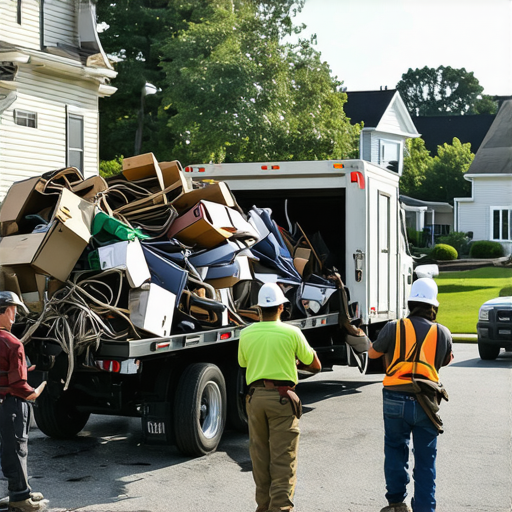
Commercial junk removal Aurora requires a logistics management plan focused on volume density and tipping fee optimization. Store owners must account for unclaimed inventory, broken fixtures, and palletized waste that exceeds municipal collection limits. Professional waste hauling services ensure regulatory compliance and material recovery. A business owner tried to save €500 by hiring a guy with a pickup truck from a social media ad. Two weeks later, the police called him because his company’s confidential files were found in a ditch. Your junk is your liability until it hits the scale. I have spent twenty-five years watching the same mistake happen. People think they are buying a clean space. They are actually buying a transfer of legal risk. When we back a truck into an Aurora loading dock, I am not just looking at a pile of broken mannequins. I am calculating the cubic yardage of air trapped in those plastic limbs. I am looking for the hidden ballasts in the fluorescent lights that require special hazardous waste handling. If you do not know the difference between a PCB-containing ballast and a modern electronic one, you are one inspection away from a massive fine. The smells of hydraulic fluid and diesel are the scents of a clean balance sheet. Waste is a logistics problem that most people treat like a magic trick. It does not just vanish. It moves.
The invisible weight of your balance sheet
Load density calculations determine the profitability of commercial disposal by measuring weight versus volume. High-density materials like construction debris or scrap metal trigger tonnage surcharges at the Aurora Transfer Station. Low-density items like cardboard and styrofoam require compaction strategies to avoid truck capacity waste. You have to understand the math of the truck. A standard fifteen-yard bin has a physical limit that your eyes will lie to you about. Every inch of wasted air is money leaking out of your pocket. We call it cubing out. If you throw a couch into a dumpster without breaking it down, you just paid for fifty cubic feet of oxygen. It is a logistical failure. I make my guys saw the legs off the tables. We smash the particle board until it is flat. We treat the truck bed like a Tetris board because the landfill does not charge you for the space. They charge you for the trip and the weight. In Aurora, the tipping fees at regional facilities are rising. The city has specific protocols for what can hit the face of the landfill and what needs to be diverted to a secondary processing center. You cannot just dump and run. The manifest follows the waste. The waste follows the owner. The owner pays the bill. One way or another.
“Waste is merely a resource in the wrong place; professional removal is the science of putting it back where it belongs.” – Disposal Industry Maxim
The heavy cost of keeping everything
Hoarder clean out Aurora operations involve biohazard assessment and structural integrity monitoring during the evacuation of materials. Excessive residential accumulation creates floor load stress that can lead to catastrophic building failure. Professional junk removal experts utilize personal protective equipment to mitigate mold spore inhalation and pest exposure. I have seen floors bowing under the weight of wet paper. People do not realize that paper is a sponge. A stack of newspapers from 1994 that has been sitting in a damp basement weighs twice what it did when it was printed. It becomes a solid block of cellulose. Removing it requires more than just muscle. It requires an understanding of structural engineering. If we pull the wrong pile, the whole stack can shift like a glacier. It is dangerous. It is slow. It is the opposite of the fast-paced retail removal. This is an autopsy of a life. We find the lithium batteries hidden in the trash. Those are tiny fire bombs. One spark in the back of a packer truck and you have a chemical fire that you cannot put out with water. We inspect every bag. Every box. Every corner. It is the only way to stay safe.
The Aurora logistics matrix
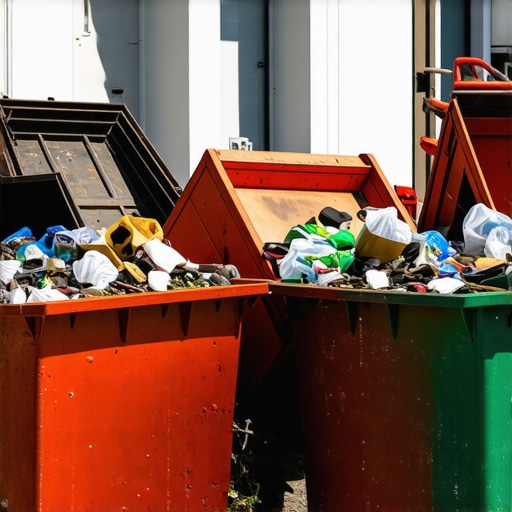
Dumpster rentals Aurora provide a static disposal solution for long-term renovation projects or gradual retail de-cluttering. Choosing the right container size depends on site access constraints and local permit requirements for public right-of-way placement. Full-service junk removal Aurora offers labor-inclusive loading for immediate site clearance. Here is the reality of the local market. If you are near the Fox River, your access is tight. A twenty-yard roll-off is a nightmare to spot in a narrow alley. You need a driver who can thread a needle with a heavy-duty Mack truck. Most people order a dumpster that is too small. They end up with the ‘mohawk’ where the trash is piled three feet above the rim. No driver will pick that up. It is an unsecured load. It is a DOT violation. Then the customer gets hit with a dry-run fee. It is a waste of time. It is a waste of money. Use the table below to understand your options before you pick up the phone.
| Service Type | Best For | Weight Limit | Labor Included |
|---|---|---|---|
| 15-Yard Dumpster | Garage Clean outs | 2 Tons | No |
| Full Service Truck | Appliance removal | Volume Based | Yes |
| Roll-off 30-Yard | Store Debris | 4-5 Tons | No |
| Box Truck Pick-up | Furniture Removal | 1.5 Tons | Yes |
The legal time bomb of cheap hauling
Illegal dumping penalties in Illinois include heavy fines and potential jail time for commercial waste violations. The Resource Conservation and Recovery Act mandates cradle-to-grave tracking of hazardous industrial materials. Authorized disposal facilities provide certified weight tickets to verify legal waste diversion. This is why the guy with the rusty pickup truck is a danger to your business. He does not have a permit. He does not have insurance. He definitely does not have a contract with the transfer station. He takes your money and dumps your old store displays in a forest preserve. The city finds your store’s mailing labels in the pile. Now you are the one in court. You saved fifty dollars on the haul but spent five thousand on the lawyer. Professionalism has a price for a reason. We carry the liability. We pay the tipping fees. We follow the law. The floor snapped once when we were moving an old safe. If we had not been insured, that shop owner would have been responsible for the worker’s compensation. Always check the paperwork. Every single time.
- Tires: Landfills will not take them without a split-fee.
- Refrigerants: Appliances must have the Freon recovered by a certified tech.
- Paint: Liquid latex is a no-go. It must be dried or hardened.
- Electronics: E-waste laws prevent computers from entering the general waste stream.
- Batteries: Lead-acid and lithium are fire hazards.
“The management of solid waste is a fundamental requirement for the protection of public health and the environment.” – EPA Regulatory Framework
The physics of appliance death
Appliance removal requires specialized equipment like heavy-duty dollies and stair-climbing carts to prevent facility damage. Old commercial refrigerators often contain ozone-depleting substances that must be evacuated per EPA Section 608. Proper metal recycling of white goods reduces landfill mass and recovers raw materials. Don’t try to move a commercial freezer yourself. It is a recipe for a crushed foot or a broken door frame. These machines are built with thick steel and heavy compressors. They are top-heavy. They are awkward. We see rookies try to manhandle them and end up in the emergency room. We use the mechanical advantage. We use ramps. We use physics. Once it is on the truck, it doesn’t just go to the dump. We take it to a scrap processor who pulls the copper and the aluminum. That is the recovery side of the business. It is about more than just clearing space. It is about the circular economy. If we can get that metal back into the system, we are doing our job right. The carbon footprint of a new fridge is massive. Recycling the old one is the only way to balance the scales.
Furniture and the landfill volume crisis
Furniture removal involves deconstruction to maximize logistical efficiency and truck bed utilization. Many modern office pieces consist of composite materials that do not biodegrade efficiently in landfill environments. Donating gently used items to local Aurora charities provides a tax-deductible alternative to disposal costs. Modern furniture is garbage. It is glue and sawdust. It breaks if you look at it wrong. The old stuff, the solid oak desks from forty years ago, that is the heavy lift. But even the cheap stuff takes up too much room. We see office managers trying to stack chairs like they are at a banquet. That is not how you load a truck. You have to interlock the legs. You have to flip them upside down. You have to squeeze the air out of the room. If we are doing a Garage clean out or a store liquidation, the furniture is usually the first thing that fills the bin. If you don’t break it down, you are paying for a lot of empty space inside those drawers. Get a sledgehammer. Get a saw. Turn that desk into a stack of boards. Your wallet will thank you. The environment will not notice the difference, but the logistics will be perfect. The truck moves. The waste flows. The job is done.