The shadow side of the illegal dumping trap
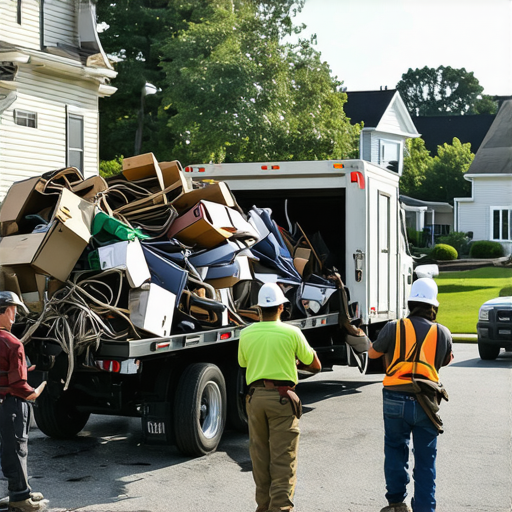
A business owner tried to save €500 by hiring a guy with a pickup truck from a social media ad. Two weeks later, the police called him because his company’s confidential files were found in a ditch. Your junk is your liability until it hits the scale. I have seen this play out in Aurora dozens of times. A homeowner thinks they are being savvy by hiring a cut-rate hauler for a garage clean out. Then the code enforcement officer knocks on their door. The paper trail leads back to the origin. Always. My trucks smell like diesel and hydraulic fluid. They smell like work. We do not just haul. We manage a chain of custody for your debris. Junk removal Aurora relies on high-volume logistics. It requires a deep understanding of tipping fees at the Denver Regional Landfill. If you ignore the physics of the load, you lose money. The truck must be a solid block of material. Air space is the enemy. Every gap in the cargo bed is a leak in the profit margin. We call it cubing out. It is the art of fitting a three-bedroom house into a 15-yard container without leaving a single cubic foot of wasted sky.
The phantom weight of Aurora green waste
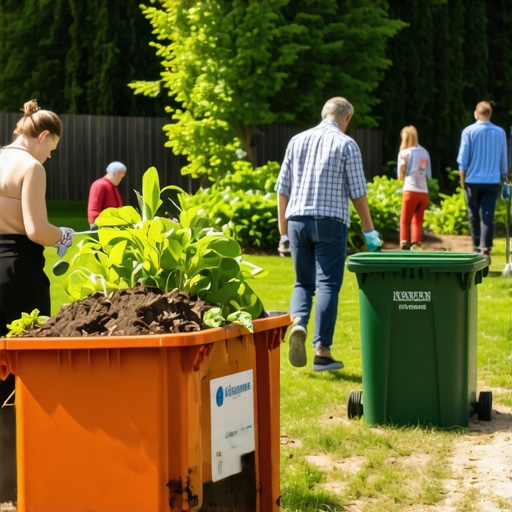
Aurora yard waste management requires understanding that organic debris is mostly water weight and trapped nitrogen. Effective junk removal Aurora services prioritize volume reduction through onsite chipping or immediate transport to industrial composting facilities that handle high-density organic loads without anaerobic decomposition risks. The physics of a pine needle pile are deceptive. You look at a stack of branches and see a light afternoon of work. I see 400 pounds of potential moisture absorption. If it rains, that pile doubles in weight. The hydraulic lift on a standard pickup will scream under the pressure. Professional junk removal Aurora teams calculate the moisture content before the first fork touches the ground. We look at the species of the wood. Cottonwood is heavy and wet. Oak is dense. Pine is a fire hazard if left to cure in the Colorado sun. We handle the logistical burden of getting this material to a certified processor. Raw soil is even worse. A single cubic yard of Aurora clay can weigh 3,000 pounds. That is the limit for many light-duty trailers. One wrong turn and the axle snaps. The floor fails. The job stops. We do not let that happen. We use heavy-duty steel beds designed for high-tonnage impacts.
“Waste is merely a resource in the wrong place; professional removal is the science of putting it back where it belongs.” – Disposal Industry Maxim
The heavy cost of keeping everything
Hoarder clean out aurora projects are tactical operations that require structural engineering knowledge to prevent floor collapses. Managing these environments involves sorting biohazards from salvageable materials while maintaining the integrity of the building envelope under extreme internal weight loads. I once cleared a house where the junk was a structural hazard. The newspapers had absorbed years of humidity. They turned into bricks. The floor joists were bowing. This is the reality of a hoarder clean out aurora. It is not just cleaning. It is a rescue mission for the architecture. We use specific density charts to estimate the load.
| Material Type | Weight per Cubic Yard (Lbs) | Disposal Priority |
|---|---|---|
| Loose Yard Waste | 250 – 450 | Compost |
| Compacted Paper | 800 – 1,200 | Recycle |
| Construction Debris | 2,000 – 3,500 | Landfill |
| Appliance Steel | Varies by Unit | Scrap Metal |
This table shows why we obsess over the mix. If you put concrete on top of brush, you crush the brush. You make it impossible to sort at the transfer station. The station operators will reject the load. They will charge a contamination fee. We avoid this by layering. We put the heavy items at the bottom. We use the furniture removal process to create a flat base. We stack the light stuff on top. This is the only way to maximize the 15-yard limit. It is pure math.
The industrial truth about green recycling
While most people think recycling is always better, the carbon footprint of hauling low-grade plastics 500 miles often exceeds the impact of local, high-efficiency waste-to-energy incineration. This is the contrarian truth of the industry. In Aurora, we try to keep it local. We use the transfer stations on Gun Club Road. We minimize the fuel burn. If we haul a load of appliance removal items, we go straight to the scrap metal processor. We do not let it sit. We do not double-handle. Every time you move a piece of junk, you lose money. Efficiency is the only way to stay green. A refrigerator is a chemical puzzle. It has refrigerant. It has foam insulation. It has a compressor. You cannot just throw it in a hole. The EPA has rules. We follow them. We recover the Freon. We recycle the steel. This is why appliance removal costs more than a pile of wood. It is the cost of doing it right. It is the cost of protecting the local groundwater.
When a dumpster rental makes tactical sense
Dumpster rentals Aurora residents choose must match the specific debris density of the project to avoid overweight penalties at the scale. Strategic placement of a roll-off container ensures a safe loading zone while minimizing the distance a crew must carry heavy debris. If you have a massive garage clean out, you need a bin. But you need the right bin. A 40-yard dumpster filled with concrete will never move. The truck will not be able to lift it. The tires will pop. You need a 10-yard or a 12-yard for heavy stuff. For furniture removal, you can go bigger. Furniture is mostly air. A sofa looks big but it is light. We call it fluff. You want to mix the fluff with the heavy stuff. It stabilizes the load. It prevents the wind from blowing debris onto I-225. We see it all the time. Unsecured loads are a menace. They kill people. We use heavy-duty tarps. We use ratcheting straps. We treat every load like it is a hazardous shipment. Because sometimes it is.
“Proper solid waste management is a fundamental requirement for the protection of public health and the environment.” – SWANA Resource Guide
Items your hauler cannot legally touch
The law is clear. We are not a hazmat team for liquid chemicals. We have limits. If you hide these in your bin, the landfill will find them. The sensors will go off. The fines will follow.
- Propane tanks and pressurized cylinders
- Lead-acid car batteries
- Wet paint and liquid solvents
- Ammunition and explosives
- Asbestos-containing materials
- Medical waste and sharps
If we find a propane tank in a pile of junk removal Aurora debris, the job stops. We do not take the risk. I watched a rookie almost lose his eyebrows because a customer hid a tank in a pile of yard waste. The compactor blade hit the valve. The hiss was the only warning. We don’t just lift. We inspect. Every. Single. Item. This is the difference between a professional and a guy with a truck. We know what a hidden hazard smells like. We know how to spot the leak.
Calculating the density of a garage clean out
A garage is a graveyard of bad decisions. It is where the furniture removal needs go to die. We find old tires. We find half-used bags of fertilizer. We find the ghost of projects past. The logistics manager in me sees the volume first. I see a 20-yard nightmare. We start at the door. We clear a path. We sort as we go. We separate the metal. We separate the cardboard. We don’t just throw it in. We pack it. We use the shelving units to create walls inside the truck. We fill the gaps with bags of clothes. It is a physical puzzle. The floor must be clear. The walls must be visible. That is a successful garage clean out. It is about reclaiming the square footage. It is about lowering the fire load of the home. A cluttered garage is a tinderbox. We remove the fuel. We give the homeowner their space back. This is the science of disposal. It is the logic of a clean slate.
Reading this post really sheds light on the complexities behind waste disposal that many homeowners and businesses might overlook. I’ve seen firsthand how improper handling, especially with hazardous materials like propane tanks or medical waste, can lead to serious accidents and environmental hazards. It’s impressive how much thought and engineering go into managing everything safely and efficiently, from calculating load densities to layering materials correctly for transport. The emphasis on local solutions and minimizing fuel consumption has me wondering—how can Aurora residents better educate themselves about what can and cannot be disposed of safely? Sometimes, the gray areas or lack of knowledge lead to risky shortcuts. Perhaps community workshops or clear online guidelines could help prevent hazards before they happen. What’s your take on improving public awareness around proper waste separation and disposal practices? I believe more proactive education could significantly reduce illegal dumping and accidental hazards.
This post highlights such a critical aspect of waste management that often gets overlooked—proper handling isn’t just about compliance, but also about safety and environmental protection. I’ve seen firsthand how improperly disposed hazardous materials like propane tanks or old paint cans can lead to dangerous incidents, which emphasizes the importance of professional disposal services that follow strict protocols. The detailed explanation of how weight and layering impact the logistical process was particularly enlightening; imagine trying to fit all those materials into just 15 yards without detailed planning! It makes me wonder, how receptive are local Aurora residents to learning more about these best practices? Perhaps expanding community workshops on waste separation and suitable disposal methods could improve compliance and safety. Everyone wants their home to be clean, but understanding the complexities involved in waste logistics really drives home the value of hiring experts for the job. Has anyone found effective ways to simplify this information for the general public to prevent hazardous shortcuts? I’d love to hear about community-based initiatives or educational efforts that have worked well.
This post really underscores how crucial proper waste handling is, not only for legal compliance but also for safety and environmental preservation. I agree that managing the chain of custody and understanding the physical and chemical properties of waste materials can be complex, especially when dealing with organic or heavy debris. Personally, I’ve seen how layered loads and correct stacking make a difference in efficiency at transfer stations, helping avoid contamination charges and ensuring smooth processing. It also makes me think about how we, as residents or business owners, could do better in understanding these logistics. Are there local programs or resources in Aurora that help educate the public on safe disposal methods? I feel that empowering people with knowledge could prevent risky shortcuts, like hiding hazardous items in piles or overloading dumpsters. Community workshops or straightforward online guides on what can’t be disposed of and how to prepare waste for pickup might be beneficial. Have any of you seen successful outreach efforts that effectively improve waste separation habits in your neighborhoods?
This post highlights some eye-opening realities about waste management in Aurora, especially the importance of managing different waste types carefully and understanding their unique disposal considerations. I remember assisting a friend with yard cleanup and realizing how complex organic waste can be—rain can almost double its weight, making proper planning essential. It’s impressive how professional teams calculate moisture content and species type to optimize logistics and ensure safety. I wonder, how many Aurora residents are aware of these details and the importance of layering different materials properly? Do you think community workshops or informational campaigns could help improve public understanding and prevent hazards like contamination or illegal dumping? Providing accessible guidelines on how to prepare waste and what items are prohibited might make a significant difference. I’d be really interested to hear if any local programs have successfully educated residents on these aspects to promote safer, more efficient waste disposal.