The hidden weight of Fox Valley history
I view a cluttered space as a logistical failure and a potential environmental liability. The scent of diesel and hydraulic fluid is the smell of progress in this industry. I once cleared a house where the junk wasn’t just ‘stuff.’ It was a structural hazard. We found the floor joists were bowing under the weight of 40 years of newspapers that had absorbed ten years of basement humidity. That weight had reached nearly four hundred pounds per square foot in localized spots. The floor snapped. We had to shore up the foundation before we could even start the extraction. This is the reality of Junk Removal Aurora homeowners often ignore. Your attic is not a bottomless pit. It is a structural component with a finite load limit. When you pile up old furniture and forgotten appliances, you are testing the engineering of your home. Junk removal is the science of putting resources back where they belong.
The physics of the attic void
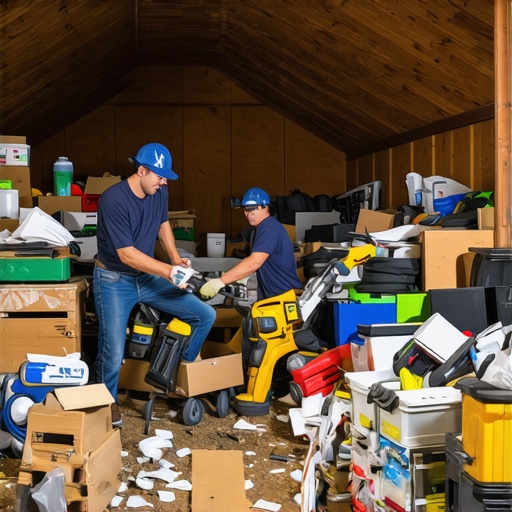
Junk Removal Aurora operations require precise calculations of weight density and structural load limits. Professional attic clearing involves identifying hazardous particulate matter and ensuring the extraction path is secure. Success depends on the rapid movement of cubic yardage from the upper floor to the truck bed without compromising the ceiling or stairs.
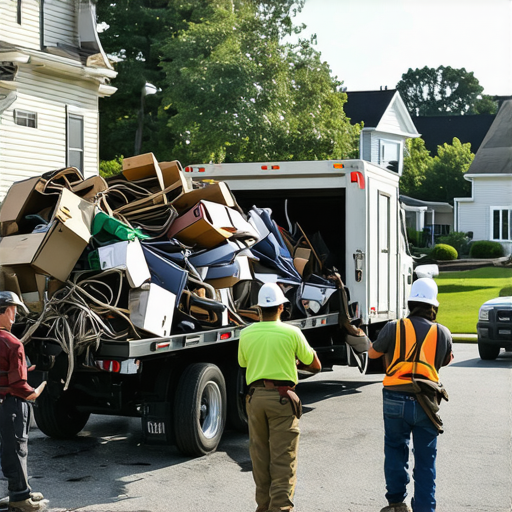
The logistics of an attic are unique. Heat rises. This accelerates the degradation of plastics and fabrics. What was a stable armchair in 1995 is now a crumbling mess of polyurethane foam and dust mites. In the Fox Valley region, our humidity swings create a cycle of expansion and contraction. This ruins wood glue. It makes Furniture Removal a hazardous task of carrying items that might literally fall apart in your hands. We do not just lift. We inspect. Every single item is checked for structural integrity before it moves over a living space. A dropped dresser through a ceiling is a failure of planning. We use 15-yard trucks. These units are 15 feet long, 8 feet wide, and 3.5 feet high. Every air gap in that truck costs you money. We call it cubing out the load. If we do not pack it like a Tetris grid, the tipping fees at the local transfer station will eat our margins. Your junk is your liability until it hits the scale at the landfill.
“Waste is merely a resource in the wrong place; professional removal is the science of putting it back where it belongs.” – Disposal Industry Maxim
The heavy cost of keeping everything
Hoarder Clean Out aurora projects involve managing massive volumes of compressed debris and potential biohazards. These situations require heavy load logistics and specialized PPE to handle decayed organic matter and structural instability. Effective remediation focus on clearing exit paths and stabilizing the environment through high-volume debris extraction.
A hoarding situation is a data overflow error in physical space. When we tackle a Hoarder Clean Out aurora site, we aren’t just moving trash. We are performing a structural autopsy. In Aurora, the older housing stock often features lath and plaster walls. These cannot handle the moisture trapped by stacks of damp cardboard. The risk of mold is high. We use respirators. We use heavy-duty gloves. We also look for the hidden dangers. I have seen rookies lose their eyebrows because someone hid a propane tank in a pile of yard waste. This is why we don’t allow curbside cowboys to handle these jobs. They dump in ditches to save on tipping fees. That creates a legal trail leading back to you. The police in Kane County do not take illegal dumping lightly. If your confidential files are found in a ravine, you are the one getting the ticket. Professional disposal involves a paper trail. We get a manifest. We get a weight ticket. This is how you protect yourself. The carbon footprint of hauling low-grade plastics 500 miles often exceeds the impact of local, high-efficiency waste-to-energy incineration. Sometimes, the landfill is the most responsible choice for contaminated materials.
| Waste Category | Density (lbs/yd) | Disposal Difficulty |
|---|---|---|
| Old Newspapers | 450 | High (Moisture Risk) |
| Appliance Steel | 1200 | Very High (Heavy Lift) |
| Drywall/Construction | 500 | Medium |
| Textiles/Clothing | 150 | Low |
The chemistry of an old appliance
Appliance removal requires strict adherence to the Resource Conservation and Recovery Act guidelines regarding refrigerants and heavy metals. Old units contain capacitors and cooling agents that are environmental hazards if punctured during transport. Certified haulers manage the capture of these substances before the metal is recycled for scrap value.
When we perform Appliance removal, we are looking for Freon. We are looking for mercury switches. An old refrigerator is a chemical bomb. If it was built before 1995, it likely has chlorofluorocarbons. These are high-priority ozone depleters. We do not just toss them into the truck. We secure them. We ensure the compressor remains intact. In Aurora, the local scrap yards have strict rules. You cannot just drop off a fridge. It needs to be drained and tagged. This is where a professional Junk Removal service saves you time. We handle the manifest. We handle the hazardous waste protocols. It is the same with Garage Clean outs. People store old paint and car batteries in their garages for decades. Lead-acid batteries leach. They create acidic soil. We handle the transport to the hazardous waste facility in Naperville or the specialized collection events in Aurora. We don’t just dump. We divert.
- Lithium-ion batteries (Fire Hazard)
- Pressurized tanks (Explosion Risk)
- Liquid chemicals and oils (Soil Contaminant)
- Biohazardous waste (Health Risk)
- Asbestos-containing materials (Respiratory Hazard)
The dumpster rental permit maze
Dumpster Rentals Aurora residents utilize must comply with local street placement ordinances and weight limit restrictions. Proper placement prevents driveway cracking and ensures the haulers can safely winch the container onto the rail system. Permits are often required if the container occupies public right-of-way space in Fox Valley neighborhoods.
A 20-yard dumpster is a massive weight. If you place it on a hot asphalt driveway in August, it will sink. It will leave ruts. We use wood blocking. We protect the surface. Many people think Dumpster Rentals Aurora is as simple as a phone call. It is not. You have to consider the overhead lines. You have to consider the neighbor’s property line. In the narrow streets near downtown Aurora, a live-load truck is often better than a stationary dumpster. We park, we load, we leave. No permit is needed for a truck that is actively being loaded. This saves you the fifty-dollar permit fee and the headache of city hall. This is logistical zooming. We look at the exact physics of the truck’s turning radius. We look at the slope of the driveway. If the grade is too steep, the winch cannot pull the box up. It will skid. It is dangerous. We have the experience to spot these failures before they happen.
“Managing waste is about managing risk; every pound removed is a reduction in homeowner liability and environmental impact.” – Solid Waste Association of North America
The salvage economy versus the landfill
Furniture Removal and general junk disposal in Aurora contribute to a complex recovery ecosystem where metal and wood are diverted from landfills. Local transfer stations prioritize the separation of bulk materials to meet state-mandated diversion targets. Effective removal strategies incorporate sorting at the source to maximize the recovery of high-value scrap.
Not everything is trash. We look for the BTU potential in wood waste. We look for the high-grade aluminum in window frames. Junk Removal Aurora is a game of margins. If we can separate the steel from the general debris, we reduce our tipping fees. This benefit is passed to the customer. We hate the throwaway culture. Modern furniture is garbage. It is particle board and veneer. It breaks under its own weight. We call it ‘disposable’ for a reason. But older furniture has soul. It has solid oak. It has value. When we do Garage Clean outs, we find the vintage tools. We find the items that can be rehomed. This is the backdoor logistics of disposal. We don’t just take it to the Orchard Hills Landfill. We take it where it belongs. The goal is a zero-waste future, but the reality is cubic yardage management. We clear the space. We secure the environment. We do it with diesel power and logistical precision.
Reading this post really highlights how critical professional junk removal is, especially in older houses like those in Aurora. The mention of structural hazards caused by accumulated debris resonates with my experience. I’ve seen homeowners underestimate the weight of stored items, leading to sagging floors or even collapsed ceilings. It’s reassuring to know that experts inspect each item physically before removal, ensuring safety and avoiding further damage. The discussion about hazardous materials, like old appliances or lead-acid batteries, underscores the importance of following strict environmental protocols. It makes me wonder, how do most homeowners identify what is truly hazardous versus just old but safe? Do you have recommendations for residents to better assess their attic loads before calling in the pros? In my opinion, better education on these issues could prevent accidents and environmental harm, especially with so many houses in Aurora being quite old. This post has inspired me to take a more proactive approach to my own attic cleanup—thanks for shedding light on these critical details!
This post really emphasizes the importance of proper junk removal, especially in older Aurora homes where structural integrity can be unexpectedly compromised by accumulated debris. I’ve seen cases where homeowners ignore the load limits of their attics or basements and end up with major repairs, which could have been avoided with timely professional intervention. The detailed explanation of the logistics and environmental protocols involved in appliance disposal was eye-opening. It’s clear that such tasks are not just about clearing space but also about protecting the home and environment.
I wonder, what are some early signs homeowners should look for that suggest their attic or structure may be under stress? Also, how can residents identify hazardous materials safely before professional removal? I believe increasing awareness about these issues could help prevent costly damages and environmental problems down the line. Did anyone here experience sudden structural problems after a clutter buildup, and how did professional removal services assist with their renovation process? This topic certainly makes me think twice about what I store in my own home—thanks for sharing these in-depth insights.
This post really resonated with me, especially the part about how everyday clutter can silently threaten the integrity of our homes. I’ve always underestimated how much weight old furniture, newspapers, or appliances can accumulate over the years, and it’s enlightening to see the detailed explanations about the structural risks involved. The emphasis on proper logistics and hazardous material handling underscores the importance of hiring professionals—not just for convenience, but for safety and environmental responsibility. I recall a friend whose attic floor sagged unexpectedly, and they were lucky not to have a disaster. Proper load assessment and regular inspections could prevent such incidents. I’d love to hear from others—what signs did you notice in your home that prompted the need for a professional evaluation? And how did you approach the process of identifying hazardous items beforehand? This level of detailed insight makes me more aware of the importance of careful planning and professional help in junk removal projects.