
The propane ghost in the yard waste
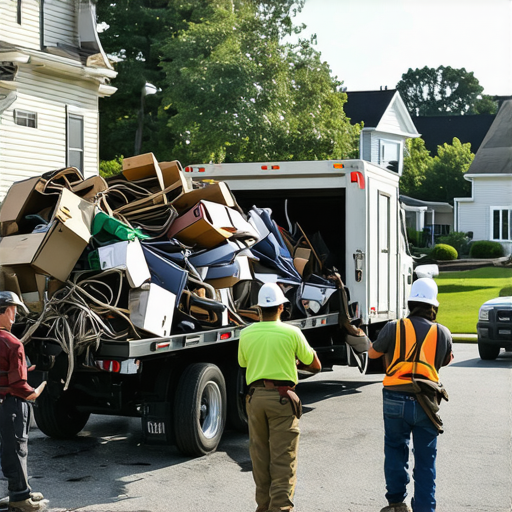
Biohazard handling in Aurora requires immediate identification of pressurized vessels, chemical stabilizers, and organic pathogens before any physical loading begins. In 2026, the legal definition of biohazards has expanded to include degraded lithium-ion clusters and specific industrial molds common in the Front Range. I watched a rookie almost lose his eyebrows because a customer hid a half-full propane tank inside a pile of ‘harmless’ yard waste. We don’t just lift. We inspect. Every. Single. Item. The air in the back of a 20-yard truck smells like diesel, hydraulic fluid, and the faint, metallic tang of old galvanized steel. When you are standing in an Aurora driveway, the logistics are not just about muscle. They are about mass, density, and the chemistry of decay. If that propane tank had hit the blade of our hydraulic packer, the resulting spark would have turned a routine Junk Removal Aurora job into a local news headline. Safety is not a suggestion. It is a survival metric in this industry. Waste management is the science of controlled displacement. We manage the kinetic energy of heavy loads and the chemical volatility of forgotten basement supplies.
The mathematics of the fifteen yard pack
Maximizing truck capacity involves calculating the displacement of rigid versus compressible materials to avoid wasted air space and unnecessary tipping fees. Every cubic inch of air in my truck is lost profit. When we handle a Hoarder Clean Out aurora project, we are not just moving boxes. We are managing a data overflow of physical objects. A standard 15-yard truck reaches its weight limit long before it reaches its volumetric limit if you are loading heavy debris like concrete or wet drywall. Wet drywall is a logistics nightmare. It absorbs moisture from the humid Aurora spring air, doubling its weight and increasing the risk of structural collapse during the carry. We use 600-pound rated dollies and strategic stacking patterns that resemble a high-stakes game of Tetris. If the load shifts during transit to the Denver Regional Landfill, the center of gravity changes. That makes the truck a 20,000-pound liability on I-225. We pack tight. We pack heavy at the bottom. We secure the top with industrial mesh that has seen more grit than a West Texas sandstorm.
“Waste is merely a resource in the wrong place; professional removal is the science of putting it back where it belongs.” – Disposal Industry Maxim
Why Aurora basement mold is a legal hazard
Professional mold remediation and removal in 2026 involve strict adherence to the Resource Conservation and Recovery Act to prevent cross-contamination of local groundwater. When we enter a basement for a Garage Clean outs or a cellar overhaul, we are looking for the white, fuzzy bloom of efflorescence or the black smear of Stachybotrys. These are not just stains. They are active biological agents. In the thinning air of our high-altitude environment, spore travel is a major concern. We use HEPA-filtered vacuums and 6-mil poly bags for containment. Most ‘curbside cowboys’ will just throw moldy drywall into an open trailer. That is a crime against the community. Those spores will travel. They will settle in your neighbor’s HVAC system. When we pull a load of contaminated material, we manifest it. We track it from your curb to the hazardous waste cell. Your junk is your liability until it hits the scale and the weighmaster signs the ticket.
| Waste Category | Primary Biohazard Risk | 2026 Disposal Protocol |
|---|---|---|
| Appliance Removal | Refrigerant Gasses/Oil | EPA Section 608 Certification Required |
| Hoarder Clean Out | Pathogens/Structural Decay | Full PPE and Vector Control |
| Electronic Waste | Lithium Thermal Runaway | Fire-Suppression Storage Containers |
| Yard Waste | Pressurized Fuel/Pesticides | Pre-load Scanning and Segregation |
The high cost of hoarding in the Front Range
Managing a hoarder clean out requires a specialized psychological approach combined with heavy-duty structural load calculations for aging residential floor joists. I once cleared a house where the junk wasn’t just stuff. It was a structural hazard. We found the floor joists were bowing under the weight of 40 years of newspapers that had absorbed ten years of basement humidity. The density of compressed paper is nearly 1,200 pounds per cubic yard when damp. That is roughly the same as loose gravel. If you try to remove that without understanding load paths, you risk a floor collapse. We use temporary shoring jacks in the crawlspace before we even start the extraction. It is about the physics of the house. We strip the layers like an autopsy. The top layer is usually ‘modern’ disposable furniture. Particle board. Glue. It breaks if you look at it wrong. The bottom layer is where the real weight sits. That is where the 1970s oak desks and the cast-iron radiators live. Those require mechanical advantage. We use lever bars and skids. We do not destroy our backs for a job that can be solved with a pulley.
The heavy cost of keeping everything
Holding onto non-functional appliances and furniture creates a localized environmental micro-climate that attracts pests and degrades indoor air quality. When you call for Appliance removal, you are often dealing with units that have leaked heavy metals or CFCs into the surrounding flooring. In Aurora, the 2026 regulations are clear. You cannot just dump a fridge. You have to recover the gas. We bring a portable recovery unit that pulls the R-134a or R-600a into a certified cylinder. This is the difference between a professional and a guy with a truck. The guy with the truck will snip the copper lines and let the gas hit the atmosphere. That is a five-figure fine if the EPA catches you. We provide the documentation that the appliance was decommissioned legally. We focus on the metal recovery. A modern washing machine is 70 percent steel by weight. That steel is a circular resource. It goes to the shredder, then to the furnace, then back into the supply chain. We are the gatekeepers of that cycle.
“Effective waste management is the first line of defense for public health; without it, the modern city is a biological ticking clock.” – Solid Waste Association of North America (SWANA)
- Items Your Hauler Cannot Legally Touch
- Lead-acid batteries that are leaking or cracked.
- Unidentified liquid chemicals in unlabelled drums.
- Bio-medical waste including used needles without sharps containers.
- Active explosives or undetonated fireworks from Aurora celebrations.
- Fluorescent ballasts containing PCBs manufactured before 1979.
- Radioactive smoke detectors in quantities exceeding ten units.
The ghost in the garage
Garage clean outs often reveal hidden environmental liabilities such as old motor oil, lead paint, and forgotten volatile organic compounds. The garage is where the ‘out of sight, out of mind’ philosophy goes to die. We see it every day in Junk Removal Aurora. A stack of paint cans from 1994. A car battery that has been leaking acid into the concrete for a decade. The concrete becomes spalled and brittle. We use neutralizing agents before we even lift the battery. We wear nitrile gloves under leather work gloves. The double-layer protection is necessary because the leather handles the abrasion while the nitrile handles the chemistry. While most people think recycling is always better, the carbon footprint of hauling low-grade plastics 500 miles often exceeds the impact of local, high-efficiency waste-to-energy incineration. We make those calls on the fly. We know which transfer stations in the Aurora area have the highest diversion rates. We know who actually recycles and who just hides the pile. We are the auditors of the waste stream. We ensure your old life doesn’t end up in a ditch by the side of the road.
Why your cheap hauler is a legal time bomb
Hiring unlicensed junk removal services exposes the homeowner to massive liability should the waste be found in an illegal dumping site. A business owner tried to save 500 dollars by hiring a guy with a pickup truck from a social media ad. Two weeks later, the police called him because his company’s confidential files were found in a ditch. Your junk is your liability until it hits the scale. If the guy you hire dumps your old sofa in a creek bed, the city of Aurora will track the tag back to you. You will pay the cleanup costs. You will pay the fine. You might even face criminal charges. We provide a transfer of custody. When we lift that sofa, the liability moves to us. We have the insurance. We have the permits. We have the reputation. We do not risk our business for a 50 dollar tipping fee. We follow the manifest. We value the logistics of a clean city over the quick buck of a curbside cowboy. This is the reality of waste management in 2026. It is a high-stakes, high-tech, and high-responsibility industry. We are the ones who keep the gears turning and the streets clean.