The true cost of Aurora waste management
Dumpster Rentals Aurora costs are determined by tipping fees at local transfer stations, fuel surcharges, and volumetric capacity utilization. To save money in 2026, residents must optimize their load density and avoid overage penalties by choosing the correct cubic yardage for their specific waste stream profile.
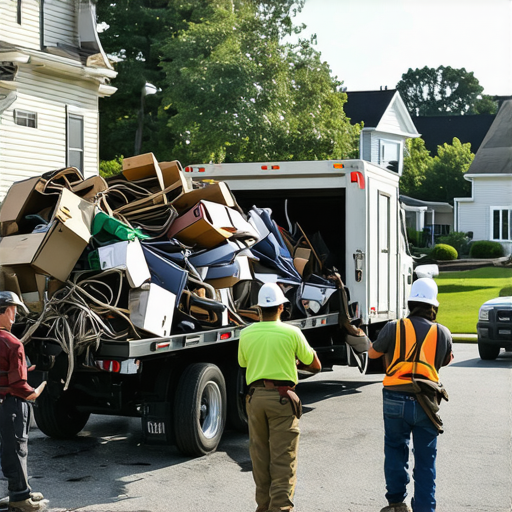
A business owner tried to save five hundred dollars by hiring a guy with a pickup truck from a social media ad. Two weeks later, the police called him because his company’s confidential files were found in a ditch. Your junk is your liability until it hits the scale. I have seen this happen too many times in Aurora. People think they are saving money. They are actually buying a lawsuit. The smell of diesel and hydraulic fluid is the smell of a job done right. I look at a pile of debris and I see a logistics puzzle. I see wasted air. I see money bleeding out of a poorly packed container. The floor snapped. We had to rethink the entire pull. Every inch of that truck must be filled with material, not air. If you leave gaps, you are paying to haul the atmosphere. That is a rookie mistake. In the 2026 season, the Orchard Road transfer station and other local facilities have tightened their intake protocols. You cannot just throw things in a box and hope for the best anymore.
Mastering the volumetric Tetris of a 20-yard container
Cubic yard density is the secret to Junk Removal Aurora efficiency. By breaking down furniture, stacking flat materials, and nesting smaller items inside larger ones, you maximize the load factor of your dumpster rental. This prevents the need for a second haul, which is where most waste management budgets fail.
The physics of cubing out a 15-yard truck are unforgiving. You start with the heavy items. The appliances go at the front, near the cab. This keeps the weight distribution even. You do not want a light front end when you are hitting the highway. It is dangerous. It is unprofessional. I hate wasted air space. It irritates me. When I see a couch tossed on top of a pile with its legs sticking up, I see a failure. You take the legs off. You flip it. You slide sheets of plywood into the gaps. You turn a chaotic mess into a solid block of matter. This is how you win. In Aurora, where 2026 permits for street placement are getting more expensive, you need to make every single trip count. The logistical reality is that a 10-yard dumpster packed by a pro holds more than a 20-yard dumpster packed by an amateur.
“Waste is merely a resource in the wrong place; professional removal is the science of putting it back where it belongs.” – Disposal Industry Maxim
Why your cheap hauler is a legal time bomb
Professional junk removal companies provide waste manifests and disposal receipts that prove legal compliance with local Aurora ordinances. Unlicensed haulers often engage in illegal dumping, which leaves the original property owner liable for environmental cleanup costs and municipal fines under RCRA regulations.
I have spent twenty five years in this game. I have seen the curbside cowboys come and go. They smell like cigarettes and desperation. They take your money and they dump your old tires in a creek bed. Then the EPA comes knocking on your door. They found your mail in the trash. Now you are paying ten thousand dollars in fines to save fifty bucks on a haul. It is a bad trade. Your junk is a data trail. Those old hard drives and tax returns do not just vanish. They need a secure chain of custody. In Aurora, the 2026 regulations require specific tracking for E-waste and hazardous materials. If your hauler does not know what a manifest is, run away. They are a liability. They are a fire hazard. They are a threat to your peace of mind.
Navigating the 2026 Aurora permit maze
Aurora dumpster permits are required for any roll-off container placed on public right-of-way areas like streets or sidewalks. To save on rental costs, place the dumpster on your private driveway to avoid daily permit fees and obstruction penalties mandated by the Aurora Department of Public Works.
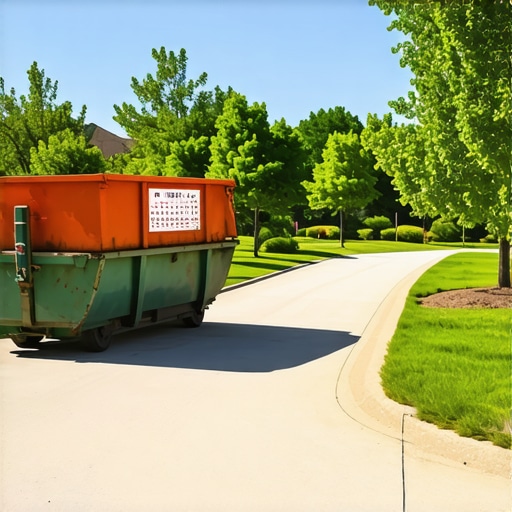
The narrow streets in some parts of Aurora are a nightmare. You try to drop a 30-yarder and you block the whole block. The city will fine you before the tires hit the pavement. You need a plan. You need to know the local tilt. If you can put it on your grass, do it, but use plywood. I have seen driveways crack under the weight of a heavy load of shingles. That is another cost you do not want. The 2026 season brings new digital tracking for permits. Everything is logged. There is no more “I didn’t know.” You follow the rules or you pay the price. A live-load service is often cheaper because the truck stays there. You load it. We leave. No permit. No hassle. No wasted time.
The hidden weight of furniture and appliance removal
Appliance removal and furniture disposal in Aurora are priced based on weight-to-volume ratios and special handling requirements. Items like refrigerators contain freon which requires EPA-certified recovery, while heavy furniture adds to the tonnage limit of your dumpster rental contract.
People think a sofa is light. It is not. Modern disposable furniture is garbage. It is made of glue and sawdust. It breaks when you move it. But the old stuff, the solid oak pieces from your grandmother, that is where the weight is. You feel it in your lower back. You feel it in the suspension of the truck. Appliance removal is its own beast. You cannot just throw a fridge in a hole. You have to pull the gases. You have to strip the compressors. It is a process. It is a science. If you hide a lithium battery in a pile of old clothes, you are asking for a truck fire. I have seen it happen. One spark and fifty thousand dollars of equipment goes up in smoke. We inspect everything. Every bag. Every box. We have to.
| Material Type | Estimated 2026 Tipping Fee (Aurora) | Decomposition Time | Recyclability Potential |
|---|---|---|---|
| Construction Debris | $75 – $95 per ton | 50+ years | High (Concrete/Wood) |
| General Household MSW | $60 – $85 per ton | 20 – 100 years | Moderate |
| Organic Yard Waste | $40 – $60 per ton | 6 – 12 months | 100% (Compost) |
| Electronic Waste | $1.50 – $3.00 per lb | 1000+ years | High (Metals) |
Strategies for a full-scale hoarder clean out aurora
A hoarder clean out aurora requires a logistical staging area and a multi-dumpster strategy to separate salvageable goods from true waste. By sorting onsite, you reduce contamination fees and maximize the diversion rate, which lowers the total disposal cost at the Aurora landfill.
I once cleared a house where the junk wasn’t just stuff. It was a structural hazard. We found the floor joists were bowing under the weight of 40 years of newspapers that had absorbed ten years of basement humidity. The air was thick. It smelled like rot and old paper. This is not just a cleaning job. It is an extraction. You have to treat it like a data overflow error in physical space. You find the backdoor logistics. You create a flow. In and out. No hesitation. You need a Garage Clean outs expert who understands structural load limits. You do not just start pulling from the bottom. The whole thing could collapse. We use C&D waste containers for the heavy stuff and standard MSW bins for the rest. It is about precision.
“Effective waste management is the silent backbone of urban health; without it, the city ceases to function.” – SWANA Technical Bulletin
Prohibited items and the hazmat reality
Identifying prohibited waste before your dumpster rental Aurora arrives is essential to avoid rejection fees. Most junk removal Aurora services cannot legally transport hazardous household waste (HHW), including paints, chemicals, tires, and industrial solvents under Illinois environmental laws.
- Lead-acid batteries and lithium-ion packs
- Aerosol cans and pressurized gas cylinders
- Wet paint and chemical solvents
- Biohazardous or medical waste
- Asbestos-containing materials
- Tires and large rubber tracks
- Fluorescent light ballasts
The carbon footprint of hauling low-grade plastics 500 miles often exceeds the impact of local, high-efficiency waste-to-energy incineration. People do not want to hear that. They want to believe every piece of plastic becomes a new toy. It does not. Sometimes the most ethical thing you can do is burn it for power. We focus on the BTU potential of recovered wood waste. We look at the metal recovery. We are not just movers. We are resource managers. When you hire for Junk Removal, you are hiring someone to make these decisions for you. Choose wisely. The 2026 season in Aurora will be busy. Plan your Garage Clean outs early. Secure your Furniture Removal slots before the spring rush. Stay clean. Stay legal. Keep the air out of the truck.
This post hits the mark on the importance of efficient load packing in dumpster rentals. I’ve seen quite a few projects where just a couple of inches of unoptimized space resulted in unnecessary costs, especially when dealing with bulky furniture or oversized appliances. Packing smart—like taking off couch legs or nesting smaller items inside larger ones—not only saves money but also reduces environmental impact by maximizing each trip’s load.
One challenge I’ve faced is the weight of solid hardwood furniture from old houses, which can push the limits of the dumpster’s tonnage. Properly estimating weight beforehand and understanding the specific handling requirements is vital. Have any other readers experienced issues with heavy, dense materials that didn’t fit the expected weight limits? How did you resolve it without incurring extra fees or risking safety? It would be great to hear some practical tips from those with hands-on experience.
Reading through this post really emphasizes how crucial proper planning and compliance are when it comes to dumpster rentals, especially here in Aurora where regulations are tightening. I’ve personally seen how small oversights—like underestimating the weight of furniture or neglecting hazardous waste protocols—can lead to costly fines or dangerous incidents. It’s interesting how the post highlights the importance of maximizing load density to save money, but from my experience, the real challenge is balancing that with safety and legality.
For example, during a recent hoarder cleanout, we had to carefully separate salvageable items from true waste to avoid contamination fees. Sorting onsite not only saves money, but it also reduces environmental impact. I’m curious how others handle hazardous materials like old batteries or chemicals when doing extensive cleanouts. Do you have strategies for safely identifying and sorting these under tight deadlines? Also, have you encountered situations where digital permit management streamlined the process? Sharing these experiences could help others avoid pitfalls in this busy 2026 season.