The hidden physics of debris management
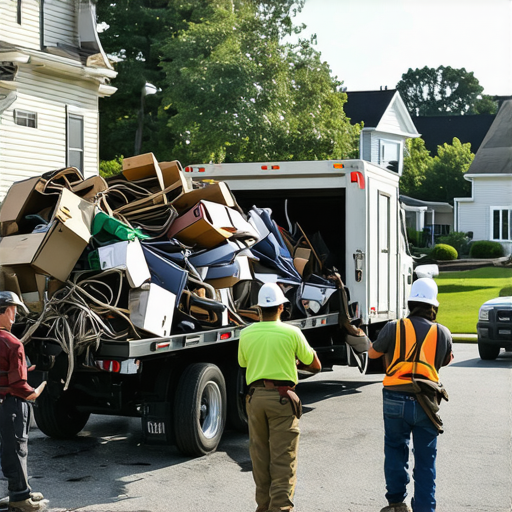
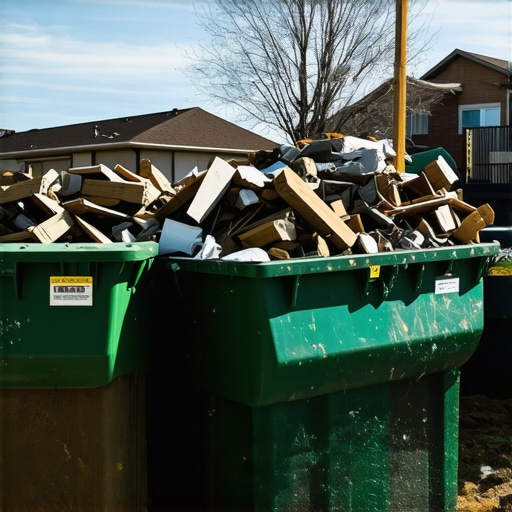
Dumpster Rentals Aurora services provide the essential logistical framework for residential construction and large scale property clearing. Success in waste management depends on calculating the precise volume of debris against the weight limits of roll off containers. In Aurora, managing construction waste requires adherence to specific municipal disposal protocols and regional tipping regulations at facilities like the Tower Road landfill. Professional hauling ensures that site safety remains uncompromised by overflowing bins or hazardous pileups. A business owner tried to save 500 dollars by hiring a guy with a pickup truck from a social media ad. Two weeks later, the police called him because his company confidential files were found in a ditch. Your junk is your liability until it hits the scale. This is the reality of the waste industry. It is a world of diesel fumes, hydraulic pressure, and the constant battle against the physics of volume. When I pull a 15 yard bin onto a driveway, I am not just dropping a metal box. I am calculating the load bearing capacity of the asphalt and the overhead clearance of the power lines. Most people see a pile of old wood. I see a specific BTU potential and a calculated volume of air that must be eliminated to achieve a profitable density. The logic of the load is absolute. If you leave air gaps in your dumpster, you are paying to transport nothing but oxygen. We call this cubing out a truck. It is the difference between a project that stays on budget and one that bleeds cash in unnecessary tipping fees. Efficiency is the only metric that matters in the haul.
“Waste is merely a resource in the wrong place; professional removal is the science of putting it back where it belongs.” – Disposal Industry Maxim
The liability trap for Aurora homeowners
Junk Removal Aurora experts understand that waste disposal is a legal process, not just a physical one. When you hire an unlicensed hauler, you remain responsible for every item found in an illegal dump site. Aurora code enforcement takes illegal dumping seriously, and the fines often exceed the cost of professional service by a factor of ten. I have seen entire construction projects halted because a homeowner failed to secure the proper permits for a dumpster placement on a public street. You have to know the local ordinances. You have to know which transfer stations accept specific materials. For example, furniture removal in Aurora requires understanding which items contain treated wood or foam that cannot be incinerated. Modern sofas are often just compressed sawdust and chemicals. They break apart during the lift. They take up enormous amounts of space because they cannot be easily compacted without specialized equipment. A true logistics professional knows how to dismantle these items on site to maximize bin space. It is a grimy, difficult job. The smell of old upholstery and stagnant dust is part of the daily routine. We do not just lift objects. We manage the environmental legacy of a household. Every piece of junk has a history and a specific disposal requirement. Ignoring this lead to disaster.
| Material Type | Density (lbs per cubic yard) | Disposal Priority |
|---|---|---|
| Loose Drywall | 400 | Landfill Cap |
| Clean Concrete | 2000 | Recycling Facility |
| Mixed Household Junk | 250 | Transfer Station |
| Green Waste | 350 | Compost Site |
Technical requirements for appliance removal
Appliance removal involves strict adherence to environmental laws regarding refrigerants and heavy metals. Every refrigerator contains hydrofluorocarbons or chlorofluorocarbons that must be recovered by a certified technician before the steel can be recycled. This is not a suggestion. It is federal law under Section 608 of the Clean Air Act. I have watched rookies try to smash a fridge to save space, only to release a cloud of gas that carries a thirty thousand dollar fine. Professional haulers in Aurora maintain logs of every unit handled. We track the manifest from the curb to the scrap yard. The steel in a modern washer is thin and sharp. It requires specific handling techniques to avoid injury. We use heavy duty dollies and ratcheting straps to secure these loads. The weight of a vintage cast iron stove can exceed 400 pounds. This is where the physics of the lift becomes a structural engineering problem. If you do not know where the center of gravity is, that stove will go through your floorboards or crush your foot. We use leverage and mechanical advantage because raw strength is never enough. The hydraulic lift gate is our best friend. It turns a dangerous maneuver into a controlled process. This is the level of detail required for a successful removal operation.
“Management of non-hazardous solid waste must be planned to minimize environmental impact and maximize resource recovery.” – EPA Solid Waste Guidelines
The logistical reality of a hoarder clean out Aurora
A Hoarder Clean Out Aurora project is the ultimate test of a waste manager’s logistical skills. These sites are often structural hazards where the weight of the debris has compromised the floor joists. I once cleared a house where 40 years of newspapers had absorbed basement humidity, turning the paper into a solid, heavy mass that weighed as much as concrete. You cannot just walk in and start throwing things. You have to excavate. You have to look for biohazards, mold, and vermin. The air is thick with particulates. We wear respirators because the dust in a hoarding house is often toxic. It is a slow, methodical process. Every layer of the hoard must be assessed for hazardous materials like old paint, cleaning chemicals, or medical waste. We categorize the debris on site. Cardboard goes to one bin. Metals go to another. The general trash is the final layer. This segregation is the only way to keep the costs manageable. If you mix everything together, the entire load becomes contaminated and the tipping fees skyrocket. We use 20 yard dumpsters for these jobs because they provide the best balance between volume and maneuverability on narrow Aurora streets. The truck has to be able to navigate the alleyways. The driver has to have the skill to drop the bin within inches of the load out point. It is a dance of heavy machinery and logistical precision.
The heavy cost of keeping everything
Garage clean outs often reveal the true impact of the throwaway culture. We find tools that were used once and then buried under a decade of plastic bins. Most of this material is low grade plastic that has little to no recycling value. The carbon footprint of hauling these plastics 500 miles often exceeds the impact of local, high efficiency waste to energy incineration. This is a contrarian view, but the data supports it. Local disposal is often the most environmentally sound option when the material grade is poor. We focus on diverting high value materials like copper, aluminum, and clean wood. The garage is often where hazardous materials hide. We find old cans of lead based paint, jars of used motor oil, and rusted propane tanks. These are the items your hauler cannot legally touch without special licensing. We provide a checklist for every client to ensure no one gets a surprise fine at the landfill. The floor snapped once under the weight of a neglected pile of wet magazines. That is the kind of warning sign we look for. We listen to the building. We respect the weight.
- Lead acid batteries
- Wet paint and solvents
- Pressurized gas cylinders
- Tires and rubber tracks
- Asbestos containing materials
- Industrial chemicals
Scientific approach to furniture removal
Furniture removal is an exercise in volumetric efficiency. A standard three bedroom home can generate enough furniture to fill two 20 yard dumpsters if the items are not broken down. We use saws and mallets to reduce the volume of wooden frames. We strip the fabric to access the metal springs. This is the tetris of the load. Every cubic inch of the truck must be utilized. If I see a gap the size of a microwave, I find something to fill it. We use the heavy items as a base. We stack the light items on top. We use ratchet straps to compress the load as we go. This prevents the debris from shifting during transport, which is a major safety hazard on the highway. I have seen loads shift and tip a truck on a sharp turn. It is not just about moving junk. It is about moving weight safely. The smell of diesel and hydraulic fluid is the scent of a job well done. We clear the space. We restore the order. We ensure that every piece of debris ends up exactly where the law says it should be. The logistics of the haul are the logistics of a clean environment. Article Schema JSON-LD: {“@context”: “https://schema.org”, “@type”: “Article”, “headline”: “Dumpster Rentals Aurora: Managing Debris During Home Builds”, “author”: {“@type”: “Person”, “name”: “Logistics Manager”}, “description”: “A professional guide to managing construction and household debris in Aurora using strategic dumpster rentals and junk removal techniques.”}
Reading through this detailed overview of debris management really highlights how much thought and precision go into what many might see as just ‘throwing away’ junk. The emphasis on calculating volume and weight, and understanding disposal regulations, underscores the importance of professionalism in the waste industry. I particularly appreciated the point about the environmental impact of hauling low-grade plastics over long distances, which I hadn’t considered deeply before. It got me wondering how often homeowners underestimate the complexity of disposal and end up facing fines or project delays because they’re unaware of regulations, especially for hazardous materials or older appliances. In my experience managing renovation projects, working with licensed, knowledgeable haulers makes a significant difference in maintaining timelines and compliance. How can homeowners better educate themselves about these logistics before starting big projects? Are there local resources or guidelines specifically tailored for Aurora residents to help navigate these regulations effectively?