
The crushing weight of memory
Hoarder clean out aurora projects require a tactical approach to logistics and emotional management to clear hazardous physical volumes. In Aurora, professional junk removal involves navigating city ordinances regarding bulk waste and specialized tipping fees at the Denver Arapahoe Disposal Site. Success depends on cubic yard density and material segregation strategies.
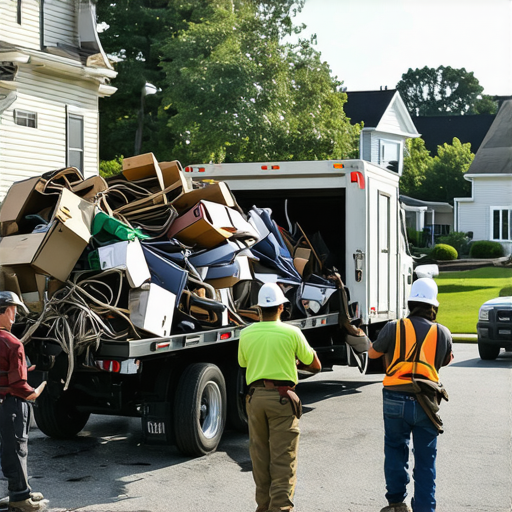
The smell of old diesel and hydraulic fluid is the scent of progress in my world. I once cleared a house where the junk wasn’t just stuff. It was a structural hazard. We found the floor joists were bowing under the weight of 40 years of newspapers that had absorbed ten years of basement humidity. The paper had turned into a solid, heavy block of cellulose. It was no longer a collection of headlines. It was a five-ton anchor pulling the house into the Colorado soil. My crew had to use chainsaws to segment the paper blocks because they were too heavy for a standard lift. This is the reality of extreme hoarding. It is a battle against physics and the slow decay of forgotten objects. Most people see a mess. I see 45 cubic yards of debris that needs to be cubed out into three 15-yard loads to avoid exceeding the gross vehicle weight rating of my truck. Every inch of air in that truck bed is wasted money. Every poorly packed corner is a failure of logic. We operate in a world where the margin of error is measured in pounds per square inch and the safety of my team rests on identifying a hidden propane tank before it hits the mechanical compactor.
The hidden structural death in the floorboards
Hoarder clean out aurora operations must begin with a professional structural assessment to prevent catastrophic floor failure during the removal process. Families should prioritize heavy load paths to ensure the safety of both residents and the junk removal aurora technicians. This involves identifying load bearing walls and checking for signs of moisture rot in the subfloor.
“Waste is merely a resource in the wrong place; professional removal is the science of putting it back where it belongs.” – Disposal Industry Maxim
When you walk into an Aurora home that has been packed from floor to ceiling, you are looking at a logistical nightmare. The sheer mass of furniture removal and general clutter creates a microclimate. It traps heat. It traps moisture. In the dry Colorado air, this can lead to brittle materials that shatter upon impact. You have to understand the science of the pack. We start at the door and work in a wedge formation. This is not about cleaning. This is about extraction. We look for signs of pest infestation and biohazards immediately. If we see droppings, the respirators go on. If we see dampness, we check for mold. The goal is to clear a path to the exits first. This is a safety requirement for any high-volume job. You never want to be trapped at the back of a room when a stack of old magazines decides to shift. The physics of a paper slide are similar to a snow avalanche. It happens fast and it is heavy enough to crush bone.
Where the Aurora trash goes to die
Junk removal aurora experts utilize specific transfer stations and landfills like the Denver Arapahoe Disposal Site to manage high volume waste streams. Understanding tipping fees and the distinction between construction debris and municipal solid waste is vital for cost control. Effective hoarding remediation requires a deep knowledge of local recycling mandates for electronics and appliances.
| Metric | Cubic Yard Pricing | Weight-Based Pricing |
|---|---|---|
| Average Cost | $45 – $60 | $85 – $110 per ton |
| Best For | Light furniture, boxes | Drywall, concrete, wet paper |
| Efficiency | High for mixed loads | High for dense debris |
The math of a fifteen yard bin is unforgiving. A 15-yard dumpster typically measures 14 feet long by 8 feet wide and 4 feet high. If you are doing garage clean outs in Aurora, you have to be careful about what you put at the bottom. If you throw three refrigerators in first, you have lost your ability to pack the smaller items around them. You have created dead air. Appliance removal is its own beast. Modern units contain R-600a or R-134a refrigerants. You cannot just toss them. They require evacuation by a certified technician or disposal at a facility that can handle hazardous gases. If you ignore this, the EPA fines are steep. We see it all the time. A homeowner hires a guy with a pickup truck who dumps the fridge in a ditch near Cherry Creek. That gas leaks out and the homeowner is still legally liable for the waste. Your junk is your liability until it hits the scale and you get a receipt from the transfer station. Do not gamble with your legal standing to save a few bucks on a curbside cowboy.
Why your fridge is a chemical bomb
Appliance removal requires specialized handling because of hazardous refrigerants and heavy metal components found in older cooling units. Aurora families must ensure that any junk removal service they hire follows federal RCRA guidelines for the disposal of white goods. This prevents toxic leaks into the local groundwater and soil systems.
- Lead-acid batteries from old vehicles
- Propane tanks and pressurized cylinders
- Paints, thinners, and industrial solvents
- Mercury-containing thermostats and flourescent bulbs
- Ammunition or explosive materials
- Biohazardous waste or medical needles
The logistics of furniture removal also vary by material. A solid oak dresser from 1950 weighs three times more than a modern particle board equivalent. When we are estimating a hoarder clean out aurora project, we factor in the age of the items. Older homes usually contain denser, heavier furniture. This impacts the labor hours and the fuel consumption of the trucks. We also look for material recovery opportunities. If we can divert five hundred pounds of scrap metal to a local Aurora recycler, that reduces the weight at the landfill. It lowers the tipping fee. It is a win for the client and a win for the environment. However, the carbon footprint of hauling low-grade plastics 500 miles often exceeds the impact of local high efficiency waste to energy incineration. Sometimes the greenest thing you can do is put it in a modern, lined landfill that captures methane. This is the contrarian truth of waste management that most people do not want to hear.
The math of a fifteen yard bin
Dumpster rentals aurora services offer various sizes but the 15 and 20 yard bins are most effective for residential clean outs. Proper loading techniques like breaking down boxes and nesting chairs can increase the total volume capacity by thirty percent. Avoid overfilling bins beyond the side walls to prevent safety hazards during transport.
“The Resource Conservation and Recovery Act (RCRA) gives EPA the authority to control hazardous waste from the cradle to the grave.” – Environmental Protection Agency
When you are managing a garage clean out, the temptation is to throw everything into one pile. This is a mistake. You need a staging area. One zone for metal. One zone for donation. One zone for actual trash. In Aurora, we have to deal with the wind. If you leave light plastics out in a staging area on a gusty day, your junk becomes the neighborhood’s problem. We use weighted tarps. We use containment strategies. We also have to be mindful of the local bulky item pickup schedule. The city has specific days for this, but they will not take a whole house worth of stuff. They will take a sofa or two. For a full hoarder clean out aurora, you need a private fleet that can cycle through three or four loads in a single day. The goal is to get the house empty as fast as possible to stop the biological decay process. Once the items are gone, the air quality in the home improves almost immediately. You can feel the change in the atmosphere. The house breathes again. The diesel engine idles outside, ready to take the next load to the DADS landfill, and the mission continues.
This post really highlights the importance of a comprehensive approach when tackling hoarding clutter, especially in places like Aurora where the local regulations can be quite strict. I appreciate the detailed explanation about the hazardous materials like refrigerants and batteries; I hadn’t realized how much effort and expertise goes into proper disposal beyond just hauling it away. It makes me wonder how many homeowners are aware of the legal liabilities and environmental impact involved in improper disposal, especially with older appliances and furniture. Personally, I’ve seen friends try to do it themselves and run into costly fines or environmental hazards because they didn’t follow the correct procedures. It’s clear that professional help is not only safer but also more responsible. What strategies do others use to prepare their homes for such thorough cleanouts? And how do you handle the emotional stress of decluttering a home packed from floor to ceiling? Would love to hear some practical tips from those who’ve gone through similar experiences.
Reading this post made me think about how crucial proper planning is when tackling a hoarder cleanout, especially with the complex logistics involved in Aurora. I remember a project where we had to carefully segregate the waste to avoid extra tipping fees and ensure compliance with local regulations. What resonated most was the emphasis on safety and understanding the physical and chemical hazards, like refrigerants and mold, which can be overlooked by homeowners trying to do it themselves. In my experience, emotional stress plays a significant role in these situations. Families are often overwhelmed, not just by the clutter but also by the memories attached to the items. Personally, I recommend breaking the process into manageable steps and involving professional organizers or counselors if possible. Have you found that involving mental health support makes a difference? It would be interesting to hear how others balance safety, logistics, and emotional well-being during such challenging cleanouts.
This post really brings to light just how complex and physical hoarder cleanouts can be, especially when dealing with the structural issues hidden beneath clutter, which often go unnoticed by homeowners. I haven’t personally worked on a hoarding project in Aurora, but I can imagine the importance of early structural assessment to prevent serious accidents, like collapsing floors. Also, I found the section about hazardous appliance removal interesting. It’s alarming how many people still unknowingly risk EPA fines by dumping refrigerants and hazardous materials improperly. We’ve been considering a large cleanout for an aging family member’s house, and this info makes me realize how essential it is to hire experienced professionals who strictly follow environmental regulations. Has anyone here faced challenges with hidden hazards that they weren’t initially aware of? I’d love to learn how you handled those situations and if involving structural engineers or environmental specialists made a difference in your project. It certainly raises the question of how to better prepare families for the emotional and logistical hurdles of a major hoarding cleanup.