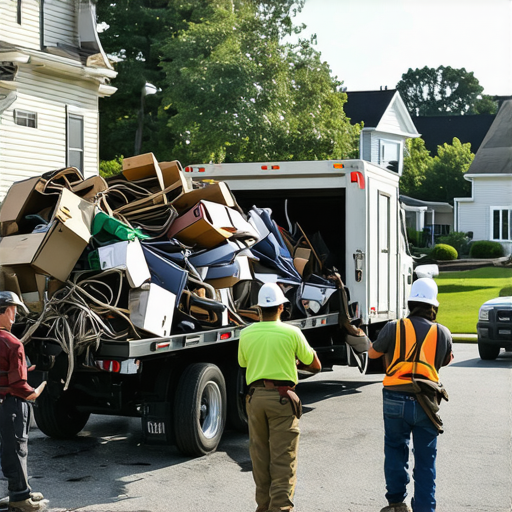
The smell of diesel exhaust and the sharp hiss of hydraulic lines are the morning alarms of a waste strategist. I have spent two decades managing the logistics of debris, and I can tell you that junk is never just junk. It is a calculation of volume, weight, and liability. A business owner once tried to save 500 dollars by hiring a guy with a pickup truck from a social media ad for a massive office cleanout. Two weeks later, the police called him because his company confidential files were found in a ditch on the edge of Aurora. Your junk is your liability until it hits the scale at the transfer station. This is the reality of the industry. We do not just haul things away. We manage the tail end of the consumer lifecycle with surgical precision. When you are looking at Dumpster Rentals Aurora, you are not just buying a metal box. You are buying a solution to a logistical bottleneck. The choice between a 20 yard and a 30 yard container is the difference between a smooth operation and a site delay that costs thousands in labor overhead.
The 20 yard sweet spot for garage clean outs
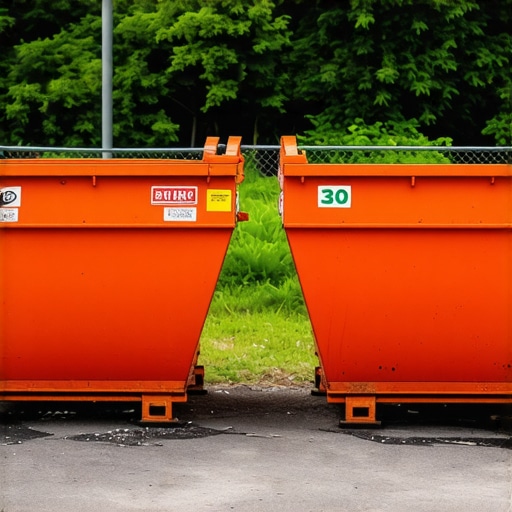
A 20 yard dumpster rental in Aurora provides approximately 20 cubic yards of volume, making it the ideal choice for garage clean outs or medium sized junk removal projects. It typically measures 20 feet long and can hold roughly 110 to 130 contractor grade trash bags of debris. This size is the gold standard for residential work. When you are performing garage clean outs, you are dealing with a mix of high volume, low density items. Old plastic storage bins, rusted lawn tools, and stacks of corrugated cardboard take up space quickly but rarely threaten the weight limit of a 20 yard bin. The internal dimensions are usually 20 feet long, 8 feet wide, and 3.5 to 4 feet high. That lower sidewall is a tactical advantage. It allows you to toss heavy items like an old workbench or a broken lawnmower over the side without needing to open the rear swing door. In the tight driveways of older Aurora neighborhoods, the footprint of a 20 yard bin is manageable. It fits where a larger roll off would scrape the siding or block the sidewalk. You have to consider the Tetris of the load. Every cubic foot of air is money wasted. We look for the cubing out effect. If you have a garage full of old furniture removal needs, the 20 yarder accepts the disassembled carcasses of dressers and tables with room to spare for the smaller bags of miscellaneous clutter. The physics of the load matter. A 20 yard bin usually has a weight limit of 3 to 4 tons. For a standard garage or attic, you will never hit that ceiling. You are paying for the volume, not the mass.
When the 30 yard monster makes sense
The 30 yard dumpster is the heavy lifting specialist for large scale junk removal, hoarder clean outs in Aurora, or major home renovations. It offers 50 percent more volume than the 20 yard bin, standing 6 feet tall to accommodate bulky furniture and structural waste like drywall or framing. This is the container for the big jobs. If you are dealing with a hoarder clean out Aurora project, the 30 yarder is mandatory. These situations involve what I call compressed history. Layers of newspapers, textiles, and household goods that have been packed down over years. When you disturb that pile, it expands. It fluffs up. A room that looks like it contains 5 yards of junk often yields 15 yards once it is excavated. The 30 yard bin gives you the headroom for these unpredictable volumes. The 6 foot walls mean you must use the rear door to walk items inside. This requires a different staging strategy. You pack from the front to the back, stacking items to the ceiling. This is where the logistics of appliance removal come into play. A heavy refrigerator or a washing machine should be placed at the very front of the bin near the truck cab to maintain proper weight distribution for the haul. If you put all the heavy appliances at the rear, the truck front wheels might lift during the pick up, creating a dangerous situation for the driver. In Aurora, where we deal with varying grades and slopes, balancing the load in a 30 yard bin is not a suggestion. It is a safety requirement.
“Waste is merely a resource in the wrong place; professional removal is the science of putting it back where it belongs.” – Disposal Industry Maxim
The physics of the cubic yard
Cubic yard density is the primary metric used to determine if your junk removal Aurora project requires a larger dumpster or a weight based hauling service. One cubic yard is a cube three feet long, three feet wide, and three feet high, roughly the size of a standard domestic stove. To understand the difference between the 20 and 30 yard options, you must understand the materials. If you are doing a roof tear off, a 20 yard bin is your limit. Shingles are incredibly dense. A 20 yard bin full of asphalt shingles weighs about 4 to 5 tons. If you put those same shingles in a 30 yard bin, the truck would not be able to legally or physically lift it. This is a common rookie mistake. More volume does not mean more weight capacity for heavy materials like dirt, concrete, or brick. However, for furniture removal, volume is your enemy. A sectional sofa is a logistical nightmare. It is mostly air and foam, yet it consumes 4 cubic yards of space. In a 20 yard bin, four sectionals and you are nearly at half capacity. In a 30 yard bin, you have the vertical clearance to stack them. We also have to consider the BTU potential of what we haul. Recovered wood waste from Aurora renovations can be diverted to mulch or biomass fuel, but only if it is not contaminated by lead paint or asbestos. The sorting happens at the transfer station, but the efficiency starts at your driveway with the right bin choice.
Aurora permits and driveway structural limits
Local Aurora ordinances often require a permit if a dumpster is placed on a public street, making the driveway the preferred location for most 20 and 30 yard rentals. You must ensure the surface can handle the point pressure of the steel rollers and the total weight of the loaded bin. A 30 yard dumpster filled with household debris can weigh 10 tons including the weight of the steel box itself. Standard residential concrete driveways in the Fox Valley area are typically 4 inches thick. If the bin is dropped without wooden planks to distribute the pressure, the steel rollers can crack the slab. This is especially true during the spring thaw when the ground underneath is soft. When we coordinate junk removal Aurora, we check the logistics of the drop site first. Are there low hanging power lines? Is there enough room for the truck to extend its rails? A roll off truck needs about 60 feet of straight line space to drop a 30 yard bin. If your driveway is short or curved, you might be forced to use a 20 yarder simply because of the truck maneuverability. I have seen many projects grind to a halt because a 30 yard bin was ordered but the driver could not safely place it without hitting the customer gutter or a neighbor tree. It is about more than just what fits in the box. It is about the physics of the delivery vehicle.
| Feature | 20 Yard Dumpster | 30 Yard Dumpster |
|---|---|---|
| Dimensions (LxWxH) | 20ft x 8ft x 4ft | 22ft x 8ft x 6ft |
| Weight Limit (Tons) | 3 – 4 Tons | 5 – 6 Tons |
| Best Use Case | Garage / Basement Cleanout | Hoarder / Construction Cleanout |
| Contractor Bags | ~120 Bags | ~180 Bags |
| Footprint Impact | Moderate | Significant |
The hazardous materials hidden in the hoard
Professional junk removal involves strict adherence to the Resource Conservation and Recovery Act which dictates how hazardous household waste must be handled and diverted from standard landfills. There are specific items that no hauler in Aurora can legally touch or transport in a general debris bin. We often find lithium ion batteries hidden inside old electronics during an appliance removal. These are a massive fire hazard. If a battery is crushed by the dumpster packing blade or during the dump at the landfill, it can ignite a chemical fire that is nearly impossible to extinguish. We also see lead acid batteries from old cars in garage clean outs. These contain sulfuric acid and lead, both of which are toxic and regulated. Then there is the matter of refrigerants. Old fridges and freezers contain Freon or other CFCs. You cannot just toss these into a 30 yard bin. They must be evacuated by a certified technician before disposal. My team treats every pile like a forensic site. We do not just lift. We inspect. If we see a sealed 5 gallon bucket, we open it. It could be latex paint, which is fine if dried, or it could be oil based paint or pesticides, which are hazardous. The legal liability of dumping these chemicals is immense. The environmental impact of a single gallon of used motor oil seeping into the local Aurora groundwater is a catastrophe we work daily to prevent.
- Lithium-ion and Lead-acid batteries
- Unset paints, stains, or lacquers
- Tires and rubber tracks
- Refrigerants and air conditioning units
- Biohazardous or medical waste
- Propane tanks and pressurized cylinders
- Asbestos-containing materials
“Proper disposal of household hazardous waste protects the environment and prevents dangerous chemical reactions in collection vehicles and landfills.” – Environmental Protection Agency Safety Brief
The contrarian reality of recycling vs incineration
While most people think recycling is always better, the carbon footprint of hauling low grade plastics 500 miles often exceeds the impact of local high efficiency waste to energy incineration. This is a hard truth in the waste management world. In the Aurora region, we look for the most efficient diversion rates. For a hoarder clean out Aurora, much of the paper and cardboard is often contaminated by moisture or pests, making it unrecyclable. In these cases, taking that waste to a facility that converts it into electricity is actually the greener path. We focus on material recovery. Metal is easy. We pull every piece of scrap metal from a furniture removal because it has a high recovery value and low processing energy cost. But for mixed debris, the logic changes. The density of the load determines the fuel burn of the truck. A 30 yard bin that is only half full is a failure of logistics. It means two trips where one would have sufficed. We aim for maximum density to minimize the carbon cost of transport. This is why I obsess over the Tetris. Every gap we fill in that 20 yard bin is a win for the environment and the customer wallet. We are managing the entropy of the modern world, one cubic yard at a time. The next time you see a roll off truck, don’t just see a trash hauler. See a logistics expert navigating a complex web of environmental laws and physical constraints to keep the streets of Aurora clean. [IMAGE_PLACEHOLDER]
This article really highlights how crucial proper planning is when it comes to dumpster rentals, especially in a city like Aurora where space and regulations can really make or break a project. I’ve dealt with similar logistical challenges, and I can relate to the importance of understanding the physical constraints of the site. For instance, when I renovated my own property, I didn’t realize how much the driveway’s thickness and the surrounding trees could impact the delivery. It’s not just about choosing the right size; it’s about making sure the site can handle it safely. Has anyone found effective ways to prepare their driveway or staging area to better accommodate these large bins? Sometimes, a bit of prep work, like reinforcing the driveway or clearing obstacles, can save headaches during delivery and pickup. It’s a great reminder that, for successful waste management, coordination and understanding of the physical and regulatory environment are just as important as the choice of bin size.