
5 Fast Garage Clean Out Fixes for Aurora Homeowners in 2026
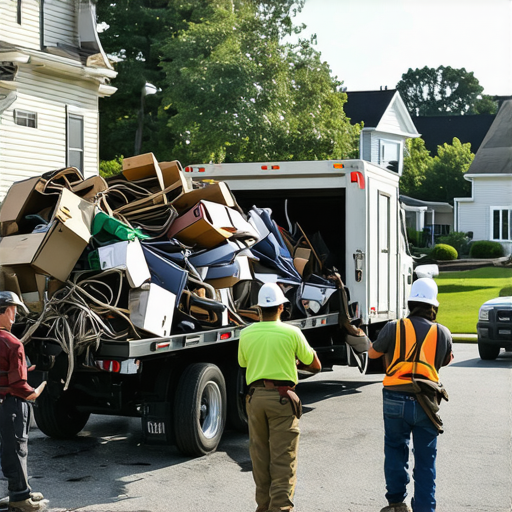
The smell of diesel and hydraulic fluid is the scent of a productive morning. I have spent twenty five years managing the logistics of waste, and I can tell you that a garage is not a storage unit. It is a staging area for structural failure. Most homeowners in Aurora treat their garage like a physical hard drive with unlimited storage, but they forget that gravity and moisture are the ultimate delete keys. I watched a rookie almost lose his eyebrows because a customer hid a half-full propane tank inside a pile of harmless yard waste. We do not just lift. We inspect. Every. Single. Item. That propane tank was a pressurized bomb hidden under dry brush. It would have exploded in the back of our packer truck. This is the reality of junk removal in Aurora. It is about safety and density, not just tossing bags in a bin.
The staging zone protocol
Garage Clean outs require a designated ten by ten square of driveway space to maximize Junk Removal Aurora efficiency before the truck arrives. This space acts as your primary sorting node. You must categorize by material density and toxicity. Wood, metal, and general municipal waste have different tipping fees at the Denver Arapahoe Disposal Site. By separating these streams, you prevent the logistics manager from charging a mixed-load penalty. The air is cold in Aurora during the winter clean out season, which makes plastic brittle. Moving a thirty year old storage bin in forty degree weather often leads to shattering. You need to pre-stage these items on heavy duty tarps to catch the microplastic shards that inevitably scatter. A clean floor is the first step toward reclaiming your square footage.
The cubic density audit
Junk Removal is a game of Tetris played with high stakes and heavy steel. In 2026, the cost of fuel and labor makes wasted air space in a truck an expensive mistake. You must break down every cardboard box. You must flat-pack the loose debris. If you are hiring a crew, they will look for the air gaps. A poorly loaded truck costs you more because you are paying to transport the atmosphere. Use the physics of the load. Place the heaviest items, like old tool chests or weight benches, at the front of the truck near the cab. This balances the weight over the axles and prevents the hydraulic lift from struggling. Your goal is maximum compaction. A fifteen yard dumpster should feel like a solid block of material, not a loose pile of twigs.
“Waste is merely a resource in the wrong place; professional removal is the science of putting it back where it belongs.” – Disposal Industry Maxim
The hazardous material segregation mandate
Hoarder Clean Out aurora projects often uncover layers of restricted materials that a standard hauler cannot touch under the Resource Conservation and Recovery Act. You must identify lead-acid batteries, old paints, and pool chemicals before the heavy machinery arrives. In the Aurora suburbs, many older garages contain forgotten canisters of pesticides or gallon jugs of used motor oil. These are not junk. They are environmental liabilities. If a battery leaks in the truck, the acid eats through the floorboards. It creates a hazardous spill that requires a specialized response team and thousands of dollars in remediation costs. Sort these items into a dedicated hazardous waste bin and contact the Arapahoe County household hazardous waste program for a separate pickup. It keeps the crew safe and your liability low.
The appliance extraction physics
Appliance removal and Furniture Removal require an understanding of structural load limits and mechanical leverage. An old refrigerator from the 1990s can weigh over three hundred pounds. It is a dead weight that stores latent energy in its cooling coils. If you puncture those lines, you release refrigerants that are regulated by federal law. We use specialized dollies with stair-climbing treads to move these behemoths. When you remove furniture, do not drag it across the concrete. This creates silica dust and ruins the finish of your garage floor. Lift from the frame, not the legs. Modern disposable furniture is made of particle board that loses structural integrity the moment it gets damp. If it has been sitting on a wet garage floor, the base is likely rotting. One wrong move and the entire unit collapses into a mess of sawdust and glue. Use straps. Use leverage. Protect your back.
The dumpster permit bypass
Dumpster Rentals Aurora can be a logistical nightmare if you do not have a private driveway. If the bin touches the public street, you are looking at city permits and specific signage requirements. In 2026, Aurora city ordinances have tightened around street obstructions. The fix is simple. Clear the garage first, move the debris to the back of the driveway, and use a live-load service instead of a stationary bin. A crew arrives, loads everything in twenty minutes, and leaves. No permit. No risk of neighbors dumping their trash in your rented bin overnight. While most people think recycling is always better, the carbon footprint of hauling low-grade plastics five hundred miles often exceeds the impact of local, high-efficiency waste-to-energy incineration. Focus on local disposal logic. Keep the heavy materials out of the landfill and into the metal scrap yards near I-225.
| Disposal Method | Cost Basis | Aurora Availability | Best For |
|---|---|---|---|
| Full Service Hauling | By Volume (Cubic Yard) | High | Hoarder situations, heavy items |
| Dumpster Rental | Flat Fee + Tonnage | Moderate | Long-term renovation debris |
| Municipal Pick-up | Per Item Fee | Limited | Single appliances, mattresses |
| Scrap Metal Yard | Pays You (by weight) | High | Old engines, copper pipes, steel racks |
Every garage in Aurora has a story. Sometimes that story involves forty years of newspapers that have absorbed ten years of basement humidity, effectively becoming a solid block of heavy cellulose. This weight bows the floor joists and creates a fire trap. Do not let your junk become part of the architecture. The floor snapped once during a heavy load. It sounded like a gunshot. We do not take chances anymore. We use the logic of the load. We respect the physics of the truck. You should too. Clean your garage before the rust wins.
Items Your Hauler Cannot Legally Touch
- Lithium-ion batteries (Fire risk)
- Wet paint or open solvent containers
- Biohazardous waste or medical needles
- Propane tanks and pressurized cylinders
- Asbestos-containing insulation materials
- Tires (Require specialized recycling facilities)
- Ammunition or explosives
“Proper waste management is the final stage of product lifecycle management; ignore it at your own peril.” – SWANA Technical Bulletin
I really appreciate the detailed safety precautions highlighted here, especially regarding hazardous materials. In my experience, many homeowners underestimate how much dangerous waste can be lurking in garages, like old paint cans or batteries, which require special handling. It’s a good reminder to always segregate these substances properly before scheduling a removal service. One thing I’ve found helpful is creating a dedicated area in the garage for hazardous waste, so it’s easier to organize and identify for pickup. Has anyone found effective ways to document or label these hazardous items to streamline the process? Also, I wonder if locally available testing kits for batteries or chemicals could prevent accidental leaks or spills during removal. It’s interesting how even the choice of disposal method impacts not just cost but also environmental safety, especially in areas like Aurora with strict regulations. Would love to hear about other tips for a safe and efficient cleanout!
This post really underscores how dangerous garage clutter can be if not properly managed. I’ve seen situations where homeowners had no idea that old propane tanks or battery acid could be lurking among the piles, which can lead to serious safety issues or environmental hazards. The mention of pre-staging items on heavy-duty tarps is a practical tip I plan to implement during my next cleanout. One challenge I’ve experienced is effectively labeling hazardous materials, especially when dealing with multiple family members’ clutter. Has anyone tried using color-coded labels or digital inventory systems to keep track of hazardous waste? It seems like proper documentation can significantly streamline the pickup process and ensure safety compliance. Also, I wonder how local regulations in Aurora evolve to handle the increasing complexity of waste segregation. Would love to hear other homeowners’ strategies for hazard identification and overall garage organization to make these projects safer and more efficient.