
The weight of forty winters
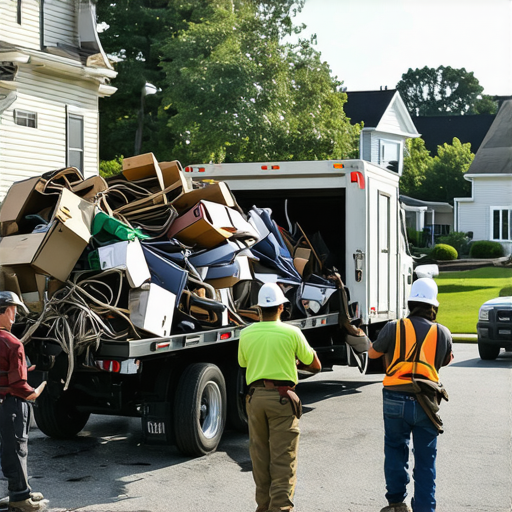
I once cleared a house where the junk was not just stuff. It was a structural hazard. We found the floor joists were bowing under the weight of forty years of newspapers that had absorbed ten years of basement humidity. The air smelled of wet cellulose and the sharp, metallic tang of oxidized copper. Every step on those stairs was a gamble with gravity. This is the reality of heavy-load management that curbside cowboys never understand. They see a pile. I see a thousand pounds of potential energy waiting to collapse through a rotting floorboard. In Aurora, the shift toward 2026 involves more than just lifting boxes. It requires a forensic understanding of how materials degrade and how they interact with the structural integrity of local homes. If you ignore the physics of the load, you are not a hauler. You are a liability. Junk Removal Aurora is a science of cubic yards and weight distribution. We calculate the PSI of every heavy appliance removal before the first dolly touches the floor. The density of a hoarding situation in a damp basement can exceed 500 pounds per square foot. That is more than most residential builds are designed to handle. You need a strategist who knows the difference between a simple garage clean out and a full-scale environmental recovery operation.
Physics of the Aurora floor joist
Managing a hoarder clean out in Aurora requires a phased logistical approach involving debris classification, onsite hazardous material identification, and a tiered disposal strategy using both 20-yard dumpsters and live-load professional crews. This ensures structural safety and compliance with Colorado or Illinois waste diversion mandates. Success in high-density junk removal depends on the sequence of extraction. You cannot just start at the door. You have to create a path of egress that accounts for the load-bearing capacity of the center of the room. When we handle Junk Removal, we look for the high-density zones first. These are usually the areas where magazines, books, or old textiles have been compressed over decades. These materials act like sponges. In the humid Aurora summers or the damp spring thaws, they pull moisture from the air. A stack of paper that weighed fifty pounds in 1995 might weigh eighty pounds today. That thirty-pound difference, multiplied across a thousand stacks, is what brings a house down. We use moisture meters to assess the risk of mold spores before we disturb the pile. This is the professional standard for 2026. If your hauler does not have a respirator and a moisture meter, they are not a professional.
The lithium fire trap in 2026
The modern waste stream is more dangerous than ever due to the ubiquity of lithium-ion batteries hidden within seemingly harmless household items like toys, tools, and old electronics. Safe sorting requires a meticulous inspection of every layer to prevent catastrophic truck fires during transport to Aurora transfer stations. We call them fire bricks. A discarded laptop or a cheap cordless vacuum from five years ago is a thermal runaway event waiting to happen. When you compress these items in the back of a 15-yard truck, the hydraulic ram can puncture the battery casing. The resulting fire is almost impossible to extinguish with standard equipment. This is why we insist on hand-sorting during Hoarder Clean Out Aurora projects. We do not just toss things. We inspect. We look for the swelling of plastic casings that indicates a compromised cell. This is the heavy cost of the throwaway culture. People hide these hazards in general trash to avoid the specialized disposal fees. It is a dangerous game. Your junk is your liability until it hits the scale at the landfill. If a fire starts in a truck because you hid a battery in a bag of clothes, the legal ramifications are yours to bear.
“Waste is merely a resource in the wrong place; professional removal is the science of putting it back where it belongs.” – Disposal Industry Maxim
Aurora landfill realities and tipping fees
Navigating the local disposal landscape in Aurora involves understanding the specific tipping fees at regional transfer stations and the strict diversion requirements for recyclable materials. Failure to separate metals, wood, and hazardous waste results in significant surcharges and potential rejection of the entire load. The economics of hauling are driven by weight and volume. In the industry, we talk about cubing out a truck. A 15-yard truck has a specific volume, but it also has a weight limit. If you fill it with concrete from a garage clean out, you will hit the weight limit long before the truck is full. This is wasted air space. If you fill it with lightweight plastic, you cube out but have no weight. The goal is a balanced load. In Aurora, the cost of Dumpster Rentals Aurora is often influenced by the distance to the nearest high-capacity landfill. We factor in diesel costs, hydraulic fluid wear, and the time spent in traffic on the way to the scale. Every minute the truck sits idling is a minute that is not generating revenue. That is why we optimize our routes with the precision of a logistics firm. We do not just drive. We calculate the most efficient path to the tipping floor.
The math behind the volume
| Material Type | Density (Lbs/CuYd) | 2026 Disposal Strategy | Recovery Potential |
|---|---|---|---|
| Loose Household Junk | 250 – 300 | Compaction & Live Load | Medium |
| Compressed Paper/Books | 800 – 1000 | Manual Sorting | High (Fiber) |
| Mixed Construction Debris | 400 – 500 | Dumpster Rental | Low |
| E-Waste/Appliances | Variable | Technician Extraction | Critical (Metals) |
The table above illustrates why a flat-rate price is usually a sign of an amateur. You cannot price a load of feathers the same as a load of lead. When we provide a quote for Furniture Removal or Appliance removal, we are calculating the man-hours required for the lift and the specific gravity of the item. A 1970s sleeper sofa is a logistical nightmare. It is heavy, it is awkward, and it often contains treated foams that are now regulated. Modern furniture is different. It is often made of particle board and cheap adhesives. It breaks during transport. It has almost no recovery value. This is the grumpy reality of the industry. They do not make things to last, which means we spend more time cleaning up the debris of broken fiberboard than we do moving actual furniture. This waste-to-energy potential of old wood is much higher than the toxic resins found in modern flat-pack items. We prefer the old stuff. It has weight. It has substance. It does not turn into dust when you grab it.
Why your garage is a biohazard
Garage Clean outs in Aurora frequently reveal decades of accumulated chemical hazards including old paints, pesticides, and automotive fluids that have leaked into the concrete substrate. Professional remediation involves more than just hauling; it requires neutralizing spills and ensuring no toxic runoff enters the local watershed. People think a garage is just a storage space. I see it as a hazardous materials locker. The concrete floor is porous. If a container of old motor oil has been slow-leaking for five years, that oil is now part of the foundation. When we perform a clean out, we check the corners. We look for the telltale signs of chemical leaching. The Resource Conservation and Recovery Act (RCRA) sets the standard for how we handle these materials. We do not just throw them in the dumpster. That is a crime. We categorize them. We pack them into overpack drums if necessary. We ensure that the next homeowner is not moving into a toxic plume. This is the information gain we provide. While some haulers think recycling is always the best path, the carbon footprint of hauling low-grade plastics 500 miles often exceeds the impact of local, high-efficiency waste-to-energy incineration. We choose the path of least environmental impact, not the path of most virtuous appearance.
“The integrity of the waste management system depends on the honesty of the generator and the vigilance of the hauler.” – Solid Waste Association of North America
Items your hauler cannot legally touch
- Propane tanks and pressurized cylinders.
- Lead-acid batteries from vehicles or UPS systems.
- Liquid paint that has not been solidified with kitty litter or sand.
- Industrial grade pesticides and herbicides.
- Asbestos-containing materials like old pipe insulation or floor tiles.
- Biohazardous waste including medical needles or fluids.
- Radioactive materials often found in very old smoke detectors.
If a hauler tells you they can take everything, they are lying. They are likely dumping the hazardous stuff in a ditch behind a warehouse. This is the illegal dumping trap. A business owner or homeowner tries to save a few hundred dollars by hiring a guy with a pickup truck from a social media ad. Two weeks later, the police call because the junk was found in a park. Your name is on those documents. Your address is on those old envelopes. Your junk is your liability until it is legally processed at a licensed facility. We provide a paper trail. We provide the peace of mind that comes with knowing your waste was handled by veterans of the industry. We understand the tipping fees. We understand the diversion rates. We understand that in 2026, there is no such place as away. Everything goes somewhere. Our job is to make sure it goes to the right place. Whether it is a Hoarder Clean Out Aurora or a simple Appliance removal, we treat every load with the same logistical rigor. We do not just move junk. We manage resources.