The physics of the vertical load and the Aurora wardrobe dilemma
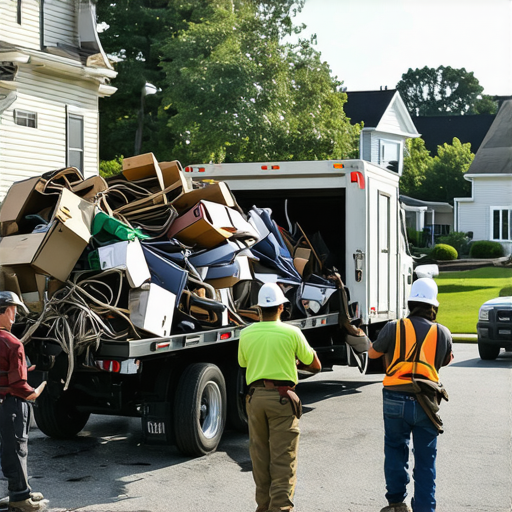
I have spent twenty-five years staring at the back of a 15-yard dump truck. I smell like diesel exhaust and hydraulic fluid. My joints ache from the 3000-pound days. To most, an old wardrobe is a piece of furniture. To me, it is a logistical puzzle involving cubic-yard density and structural shear points. You see a closet. I see a high-volume, low-density object that eats up truck space and increases tipping fees if not dismantled with surgical precision. Aurora has specific rules. The local transfer stations do not play games with mixed loads. If you throw a wardrobe made of treated particle board into a clean wood bin, the site manager will flag your manifest. You will pay the penalty. It is about the science of the load. It is about the tetris of waste management.
The illegal dumping trap that ruins Aurora reputations
A business owner tried to save 500 dollars by hiring a guy with a pickup truck from a social media ad. Two weeks later, the police called him because his company’s confidential files and old furniture were found in a ditch near the Fox River. Your junk is your liability until it hits the scale at a licensed facility. I have seen this scenario play out a dozen times. People think once the item leaves their driveway, they are safe. They are wrong. When you hire someone without a DOT number or a waste hauler permit, you are participating in a chain of negligence. This particular owner had to pay the original disposal fee, a 2,000 dollar fine for illegal dumping, and the cost of a professional crew to clean up the mess. The guy with the pickup truck was never found. He used a burner phone. This is why professional Junk Removal Aurora services operate with paper trails. We track the tonnage. We know the destination of every scrap of MDF and every rusted hinge. There is no shortcut to ethical disposal. There is only the long, heavy road of compliance.
Professional Junk Removal Aurora handles the heavy lifting
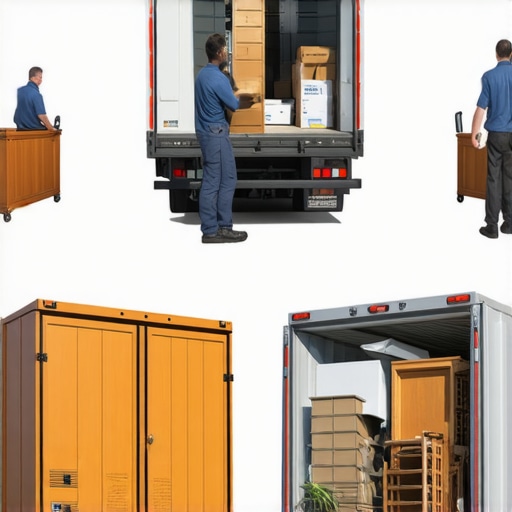
Furniture Removal Aurora requires specialized equipment including heavy-duty dollies and shoulder dollies to prevent floor damage and worker strain. Licensed haulers use 15 to 20 cubic yard trucks to maximize load density and minimize the carbon footprint of multiple trips to the landfill or recycling center. When we enter a home for a wardrobe removal, we do not just grab and pull. We assess the structural integrity of the piece. Modern wardrobes are often held together by cams and dowels. If you tilt them wrong, they explode. The particle board shears. This creates a safety hazard. We use the logic of load distribution. A standard 80-inch wardrobe weighs between 150 and 300 pounds. If it is solid oak, that number doubles. We calculate the turn radius of every hallway. We use floor protection. The goal is zero impact on the structure. Once it reaches the truck, the real work starts. We call it cubing out. We break down the wardrobe into flat panels. This saves the customer money because we charge by volume. Air is expensive. Flat wood is cheap. By reducing the wardrobe to its base components, we ensure we are not hauling empty space across Aurora. This is the difference between a rookie and a strategist. Logistics matter.
| Disposal Method | Cubic Yard Cost | Labor Required | Environmental Impact |
|---|---|---|---|
| Curbside Pickup | Low | High (DIY) | High (Landfill) |
| Dumpster Rentals Aurora | Medium | Moderate | Varies |
| Professional Junk Removal | Variable | None | Low (Recycling focused) |
| Donation Pickup | Zero | Low | Very Low |
The reality of Dumpster Rentals Aurora permits
Dumpster Rentals Aurora services must comply with city ordinances regarding street placement and duration to avoid hefty fines from code enforcement. A 10-yard dumpster is typically sufficient for a small bedroom clean out, while a 20-yard container is necessary for full garage clean outs or hoarding situations. Choosing a dumpster is an exercise in weight estimation. If you fill a 20-yard bin with wardrobes, you might think you have space left. But if those wardrobes are not broken down, you are paying for the air trapped inside them. This is a common mistake in Garage Clean outs. People toss whole items into the bin. The bin fills up in an hour. Then they need another swap. That is another haul fee. Another fuel surcharge. I tell clients to think like a trash compactor. Smash the wardrobes. Remove the doors. Pull the drawers. Use the drawers as boxes for smaller debris. This is spatial optimization. In Aurora, you also have to consider the weight limits of the truck that picks up the bin. If you fill a dumpster with heavy wardrobes and then pile Appliance removal items on top like old washing machines, you might exceed the legal road limit. The driver will refuse the pick up. You will be stuck with a full bin and a dry run fee. Logistics do not care about your feelings. They care about the laws of physics and the laws of the road.
“Waste is merely a resource in the wrong place; professional removal is the science of putting it back where it belongs.” – Disposal Industry Maxim
Garage Clean outs require tactical spatial planning
Garage Clean outs in Aurora involve sorting materials into categories such as metal, wood, and hazardous waste to meet local environmental standards. A tactical approach ensures that recyclable materials like steel wardrobe rods are separated from non-recyclable treated woods to reduce total disposal costs. The average Aurora garage is a graveyard for failed hobbies and old furniture. When we tackle these, we start from the door and work inward. This is the data overflow method. We create a staging area. We categorize. Metal goes in one pile. That is a commodity. We can get a few cents for it at the scrap yard. The wardrobe itself is usually the biggest obstacle. It blocks the path. We treat it as the anchor point. Once the wardrobe is dismantled and loaded against the bulkhead of the truck, the rest of the garage opens up. We often find hidden hazards behind these large pieces. Old paint cans. Car batteries. These are items that require a different manifest. You cannot just toss them. We look for the RCRA symbols. We look for the toxicity markers. Junk Removal is as much about chemistry as it is about lifting. If we find a leaking lead-acid battery behind your old wardrobe, the protocol changes instantly. We contain. We neutralize. We transport according to hazardous material standards. This is why you do not hire the guy with the pickup truck. He will just toss that battery in the woods. That is a crime against the local water table.
Why Appliance removal differs from furniture hauling
Appliance removal requires knowledge of refrigerant recovery and electrical safety protocols that do not apply to standard furniture disposal. While a wardrobe is a structural load, a refrigerator is a chemical load containing gases that must be evacuated by certified technicians per EPA regulations. People often lump Furniture Removal and Appliance removal together. This is a mistake. A wardrobe is inert. A refrigerator is an active environmental threat. In Aurora, the penalties for venting Freon are astronomical. We use specialized hand trucks with stair-climber attachments for appliances. The center of gravity is different. A wardrobe is top-heavy. A fridge is bottom-heavy but shifts. When we combine these items on a single truck, we use the appliances as the base layer. They are the anchors. We stack the flat-packed wardrobe panels on top. This is how you achieve a high diversion rate. We separate the high-value scrap of the appliance from the low-value wood of the wardrobe. This keeps costs down for the Aurora homeowner. It keeps the trucks running efficiently. Efficiency is the only way to survive in this industry.
- Lithium batteries hidden in drawers.
- Propane tanks from old grills.
- Unlabeled industrial chemicals.
- Ammunition or explosives.
- Biohazardous materials and medical waste.
- Asbestos-containing materials from old renovations.
“The efficient management of solid waste is a fundamental requirement for the protection of public health and the environment in any urban setting.” – Solid Waste Association of North America
The heavy cost of keeping everything
Hoarder Clean out Aurora projects necessitate a high level of psychological sensitivity and logistical coordination to manage extreme volumes of accumulated materials. These jobs often require multi-person crews and specialized PPE to handle potential mold, dust, and structural instability caused by excessive weight. I have seen houses where the floor joists were bowing. They were not built to hold forty years of wardrobes and magazines. The weight per square foot was triple the design limit. In these cases, we do not just walk in. We inspect. We check for soft spots in the subfloor. We look for the tell-tale signs of pest infestation that often accompanies large piles of wood furniture. The wardrobe in a hoarding situation is often a moisture trap. It sits against an exterior wall. Condensation builds. Mold grows. When we move it, the spores release. We wear respirators. We use HEPA vacuums. This is not just junk removal. This is environmental remediation. We have to be careful with the structural integrity of the home itself. Removing a heavy wardrobe from a compromised floor can cause a localized collapse. We use shoring if necessary. We work in layers. We document the process. For the family, it is emotional. For us, it is a weight-reduction operation. We are stripping the load until the house can breathe again. It is a slow process. It is a necessary process.
The ghost in the garage
The wardrobe sat in the corner for thirty years. It was a monolith of dark veneer and dust. The homeowner called us because they were moving to a smaller place in Aurora. They thought it would take ten minutes to move. It took three men and a Sawzall. The back panel had fused to the drywall due to a slow leak in the roof. The wood had swollen and then dried, effectively anchoring the furniture to the house. This is what I call a ghost. It is an item that has become part of the architecture. We had to carefully cut the wardrobe away from the wall to avoid ripping out the studs. We found a nest of carpenter ants in the base. They had been eating the particle board for a decade. This is why we inspect. If we had just yanked it, we would have had a swarm and a hole in the wall. We treated the area. We bagged the infested wood. We cleared the garage. The homeowner was shocked. They had no idea their wardrobe was a habitat. This is the reality of waste. It is never just what it looks like on the surface. There is always a hidden cost. There is always a story behind the grime. We are the ones who have to read those stories and find the solution. We are the logistics managers of the discarded. We are the experts of the Aurora waste stream. There is no job too heavy if you have the right leverage. There is no load too big if you know how to break it down. We see the world in cubic yards. We see the world in weight limits. And we make sure it all ends up where it belongs. This is the science of disposal. This is the craft of the haul.