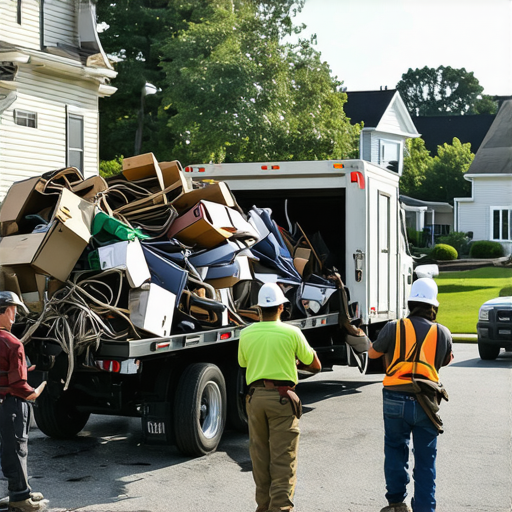
The smell of hydraulic fluid and diesel exhaust defines my mornings. After twenty five years in the waste management trenches, I can tell you that most people view a pile of debris as an eyesore, but I see it as a complex logistical puzzle with high stakes. A business owner once tried to save five hundred dollars by hiring a guy with a pickup truck from a social media ad. Two weeks later, the police called him because his company’s confidential files were found in a ditch. Your junk is your liability until it hits the scale at the transfer station. This is not just about clearing space. This is about legal protection and environmental ethics in Aurora. When we pull up to a site, we are calculating the angle of repose for a pile of drywall and the specific gravity of old concrete. We are managing the tetris of a fifteen yard truck bed to ensure zero air space remains. Air space is wasted profit. If you are not thinking about the BTU potential of that reclaimed oak or the hazardous potential of a leaking capacitor in an old microwave, you are not doing waste management. You are just moving dirt around.
The phantom liability of curbside deals
Illegal dumping carries massive fines and legal exposure for the original property owner regardless of who actually dropped the waste. Professional Junk Removal Aurora services ensure that every pound of material is tracked through a chain of custody. When you hire an unlicensed operator, you forfeit that protection. The Resource Conservation and Recovery Act (RCRA) sets strict guidelines for what constitutes hazardous waste. If a ‘curbside cowboy’ tosses your old lead acid batteries into a ravine, the EPA can trace those back to your household or business records. We see it every season. Homeowners think they are being thrifty, but they are actually gambling with environmental law. A legitimate hauler provides a receipt from a licensed Aurora transfer station. This document is your shield. It proves the material reached a destination equipped to handle it. Without it, you are just a name on a discarded piece of mail found at a crime scene. We prioritize the documentation of every load. We inspect for hidden hazards like asbestos floor tiles or mercury thermostats before the first lift occurs. Safety is not a suggestion. It is a mathematical requirement for a successful load out.
The structural math of a hoarder clean out
Managing a Hoarder Clean Out aurora requires an understanding of floor load limits and the potential for structural collapse under accumulated weight. A typical residential floor is designed to hold forty pounds per square foot of live load. When a room is filled to the ceiling with old newspapers, that limit is often exceeded by three hundred percent. We have seen floor joists bowing under the sheer density of decades of ‘treasures.’ The removal process must be strategic. You cannot just start pulling from the bottom. You have to de-layer the stack to prevent a debris avalanche. We use high density polyethylene bins for the initial sort. This keeps the weight manageable for the crew and protects the integrity of the home. Every Junk Removal project in a high density environment is a rescue operation for the building itself. We calculate the volume in cubic yards but we bill by weight because the landfill bills us by the ton. A sofa might look large, but it is mostly air. A stack of wet magazines is small, but it weighs half a ton. Understanding this discrepancy is how we provide accurate estimates. We do not guess. We measure the density of the material and plan the truck rotation accordingly.
“Waste is merely a resource in the wrong place; professional removal is the science of putting it back where it belongs.” – Disposal Industry Maxim
The physics of the fifteen yard bin
Optimizing a Dumpster Rentals Aurora bin involves maximizing the volumetric efficiency to avoid paying for the transport of empty air. Most people throw items in haphazardly, leaving massive gaps between the legs of chairs and the sides of the container. We call this ‘bridging.’ It is the enemy of efficient disposal. To fix it, we break down every piece of furniture. We remove the legs from tables and smash the frames of old couches. This allows the material to settle and fill the bottom of the bin completely. A twenty yard dumpster can easily hold thirty yards of material if you are willing to use a sledgehammer and some logic. We also consider the weight distribution within the truck. Heavy items like concrete or brick go in the front, centered over the axles. Light, bulky items like insulation or plastic go on top. This prevents the truck from becoming unbalanced during transport. A top heavy truck is a rollover risk on the highway. We take these physics seriously. Every load is a balanced machine of discarded materials ready for the scale.
| Material Type | Average Density (lbs/cu yd) | Disposal Priority |
|---|---|---|
| Mixed Household Trash | 250 – 300 | Landfill Diversion |
| Construction Debris | 400 – 500 | Material Recovery |
| Wet Yard Waste | 600 – 800 | Composting Facility |
| Concrete and Brick | 2000 – 2400 | Aggregate Recycling |
Why your old fridge is a chemical weapon
Professional Appliance removal is necessary because older units contain ozone depleting substances like R-12 or R-134a refrigerants. These chemicals cannot be vented into the atmosphere. They must be recovered by a certified technician using a specialized vacuum pump system. If you just cut the lines, you are committing a federal offense. Beyond the gases, old refrigerators contain mercury switches and PCB laden capacitors. These components are small, but their environmental impact is massive. One drop of mercury can contaminate an entire local pond. When we handle an appliance, we are not just lifting a heavy box. We are transporting a pressurized vessel of chemicals. We secure the doors with heavy duty straps to prevent them from swinging open. We use specialized appliance dollies with stair climbing tracks to ensure the unit does not damage the customer’s property. The goal is a clean exit with zero environmental leakage. We route these units to specialized demanufacturing centers where the steel is baled and the chemicals are neutralized. This is the only way to handle e-waste and appliances in a modern ecosystem.
The heavy cost of keeping everything
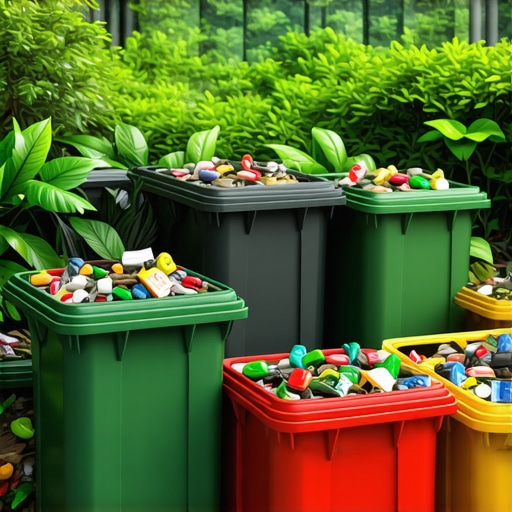
The psychological relief of Garage Clean outs is often matched by the physical necessity of removing fire hazards. Garages are the primary site for the storage of flammable liquids, old paints, and dry wood. In Aurora, the summer heat can turn a cluttered garage into a tinderbox. We find containers of old gasoline that have started to varnish and leak. We find stacks of cardboard that act as a perfect fuel for a single spark. Cleaning a garage is not about aesthetics. It is about fire safety. We sort items into four streams. These include recyclables, hazardous waste, donations, and actual landfill trash. Most people are surprised to find that sixty percent of their ‘junk’ can be diverted from the landfill. This reduces the tipping fees and helps the local environment. We use heavy duty sweepers after the haul to ensure no nails or glass shards remain. A clean garage floor is a sign of a job done with professional precision. We do not leave until the space is ready for a car to park safely.
- Lead-acid batteries and automotive fluids
- Propane tanks and pressurized canisters
- Wet paint and chemical solvents
- Biohazardous materials or medical waste
- Ammunition or explosive materials
The environmental math of Aurora waste
The carbon footprint of hauling low grade plastics five hundred miles often exceeds the impact of local high efficiency waste to energy incineration. This is a contrarian truth in the industry. While recycling is the goal, the logistics must make sense. If we spend fifty gallons of diesel to move a ton of plastic that will ultimately be rejected by the recycling center due to contamination, we have lost the environmental battle. We focus on high value recovery. Steel, aluminum, and clean cardboard have high diversion success rates. We work with Aurora partners to ensure these materials reach the right processors. For Furniture Removal, we look for donation centers first. A solid wood dresser from 1980 is far better than the modern particle board junk that breaks during its first move. We value durability and material integrity. If it cannot be donated, we strip the metal hardware and recycle the wood as biomass. Nothing is wasted if there is a logistical path to save it. Our mission is to reduce the volume of material that ends up buried in the earth. We are the gatekeepers of the landfill. Our job is to say ‘no’ to waste whenever possible.
“Modern disposal is a battle against the entropy of consumer goods; we are the frontline of recovery.” – SWANA Technical Report
The reality of Aurora waste diversion
The 2026 Aurora waste standards require a sixty percent diversion rate for all commercial clean outs. This means we cannot simply throw everything into a single bin and call it a day. We perform on-site sorting. We separate the gypsum from the wood and the metal from the plastic. This increases the labor time but decreases the total cost for the customer. Landfills are becoming more expensive every year. Tipping fees in the region have increased by fifteen percent since 2023. By sorting the load, we can take the metal to a scrap yard where they pay us, which offsets the cost of the landfill trip for the customer. This is the business of waste. It is a market of commodities. We are traders in discarded goods. We know the current price of copper and the value of clean fill dirt. We use this knowledge to provide the most competitive pricing in Aurora. If a hauler gives you a flat rate without asking about the material types, they are probably overcharging you or planning to dump it illegally. We provide transparent, weight based estimates that reflect the reality of the market.