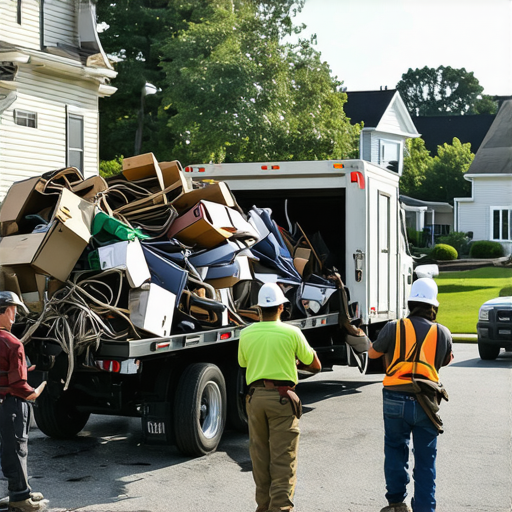
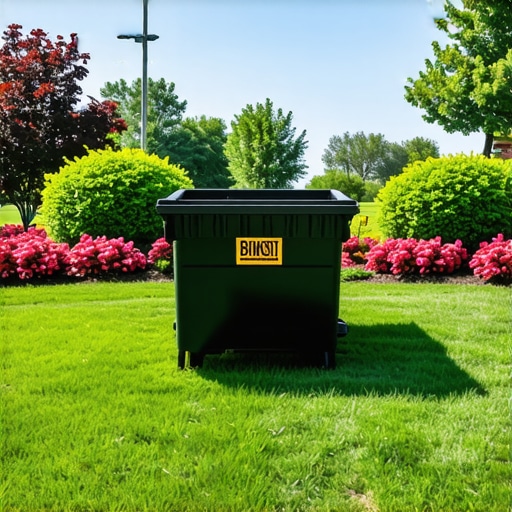
I watched a rookie almost lose his eyebrows because a customer hid a half-full propane tank inside a pile of ‘harmless’ yard waste. We do not just lift. We inspect. Every. Single. Item. This moment defined my approach to waste management in Aurora. People think junk removal is just about tossing things in a bin. They forget that a 15-yard dumpster filled with shingles or furniture removal debris weighs thousands of pounds. When that steel hits your driveway, physics takes over. If you have not prepared for the descent of a 60,000-pound hoist system, your landscaping becomes a casualty. I have seen pristine pavers crushed into dust because a homeowner ignored the PSI limits of their own property. We are dealing with heavy equipment, hydraulic pressure, and the unforgiving nature of Aurora clay soil. Your junk is a liability until it is properly tiered, weighed, and tipped at the transfer station. Ignoring the logistics of the drop zone is a recipe for a five-figure repair bill. We operate on the principle of maximum protection and zero footprint. If the truck leaves and your grass is rutted, the job was a failure.
The crushing weight of poor planning
To avoid landscaping damage during Aurora dumpster rentals, you must utilize 3/4-inch CDX plywood buffers, select a flat placement zone away from soft turf, and maintain a 15-foot vertical clearance for the truck hoist. This strategy mitigates the risk of structural asphalt failure and prevents the heavy rollers from gouging your driveway surface during the loading process.
When we talk about Junk Removal Aurora, we are discussing the movement of massive volumes. A standard garage clean out often involves old refrigerators, heavy oak desks, and stacks of wet magazines. The density of these items matters. A dumpster sitting on your driveway for a week exerts static pressure. If the Aurora sun hits that asphalt, it softens. Without a buffer, the steel feet of the bin will sink two inches into your property. You do not just need a dumpster. You need a logistical plan that accounts for the load-bearing capacity of your specific driveway. We calculate the cubic-yard density of every load to ensure we are not exceeding the legal bridge law weights or the physical limits of your residential infrastructure. The science of cubing out a truck is about more than just space. It is about the center of gravity and the shear force exerted during the pull.
The structural liability of soft sod
Placing a dumpster on soft grass or landscaped mulch beds will result in deep ruts, soil compaction, and the destruction of underground irrigation systems. Avoid any placement that requires the heavy roll-off truck to leave the paved surface unless you have laid down professional-grade ground protection mats to distribute the weight across a larger surface area.
Many homeowners in Aurora forget that our local soil is rich in expansive clay. This soil moves. When you add the weight of a hoarder clean out aurora project, you are putting a massive stressor on a shifting foundation. If you place a 20-yard bin on a lawn after a rainstorm, that bin is not coming out without a tractor to pull the truck. The suction created by wet mud against the flat bottom of a dumpster is immense. We have seen trucks break hydraulic lines trying to pull a stuck bin. This is why we insist on a hard surface or a reinforced temporary road. Every furniture removal or appliance removal job starts with an assessment of the path of travel. If we are moving a 400-pound cast iron tub, we need to know the floor joists and the driveway can handle the concentrated point load.
“Waste is merely a resource in the wrong place; professional removal is the science of putting it back where it belongs.” – Disposal Industry Maxim
Why plywood is your best insurance policy
Plywood acts as a sacrificial barrier that absorbs the friction and pressure of the dumpster rollers during the delivery and pickup phase. By placing two 4×8 sheets of CDX plywood exactly where the rails will land, you prevent the steel-on-asphalt grinding that causes permanent scarring and “alligatoring” of the driveway surface.
The mechanics of a roll-off delivery are violent. The truck tilts the hoist, and the back of the bin hits the ground first. All the weight is concentrated on two small steel rollers. As the truck moves forward, those rollers drag. If they hit a pebble, they grind it into your concrete like a diamond bit. I always tell my crews to look for the “ghost in the garage” – the hidden weight. A customer says it is just “some boxes,” but those boxes are filled with ceramic tile. Suddenly, a light load becomes a 4-ton hammer. We use technical zooming to inspect the material. We check for hazardous items that can leak and ruin your landscaping. A single gallon of old hydraulic fluid or oil can kill a 20-year-old oak tree’s root system if it leaks from a poorly maintained bin.
The heavy cost of keeping everything
Hoarder clean out aurora projects require specialized logistics because the sheer volume of material often exceeds the weight rating of standard residential driveways. You must coordinate multiple smaller pulls rather than one massive 40-yard bin to keep the pressure on your property within safe mechanical limits and avoid structural cracking.
- Lead-acid car batteries: Acid leaks destroy concrete instantly.
- Propane tanks: Explosion risk during compaction.
- Wet paint cans: Permanent staining of driveway and street.
- Tires: Landfills charge extra and they trap methane gas.
- Industrial chemicals: Require a hazmat manifest and specialized disposal.
While most people think recycling is always better, the carbon footprint of hauling low-grade plastics 500 miles often exceeds the impact of local, high-efficiency waste-to-energy incineration. In the Aurora area, we have access to facilities that can turn your waste into power. This is a contrarian view, but as a logistics manager, I look at the total BTU potential and the fuel burn of the transport. Efficiency is the highest form of environmentalism. When we perform a garage clean out, we are not just clearing space. We are performing a materials audit. We separate the high-value scrap metal from the inert debris. We ensure that your appliance removal results in the recovery of refrigerants, which are potent greenhouse gases. If a curbside cowboy takes your fridge, he is likely venting that gas into the Aurora sky just to get $20 in scrap.
“The Resource Conservation and Recovery Act (RCRA) creates the framework for the proper management of hazardous and non-hazardous solid waste.” – Environmental Protection Agency
The mechanics of the final haul
The final pickup is the most dangerous moment for your landscaping because the weight is at its maximum and the truck must exert high torque to pull the bin onto the hoist. Ensure no cars are blocking the street and that the overhead path is clear of power lines or branches that could be snapped by the rising hoist arm.
The floor snapped. That is the sound you never want to hear during a piano removal or a heavy junk removal job. It means the load was not distributed. The same applies to your driveway. In Aurora, the temperature swings are brutal. The freeze-thaw cycle creates micro-fissures in your asphalt. When we drop a heavy dumpster, we are testing those fissures. This is why professional junk removal aurora services are worth the premium. We understand the physics of the load. We know that a 10-yard bin of concrete is heavier than a 40-yard bin of old sofas. We manage the density. We protect the property. We ensure that the only thing leaving your home is the junk, not your peace of mind or your landscaping budget. Professionalism is found in the details of the plywood and the precision of the truck’s approach angle.