The liability lurking in your back alley
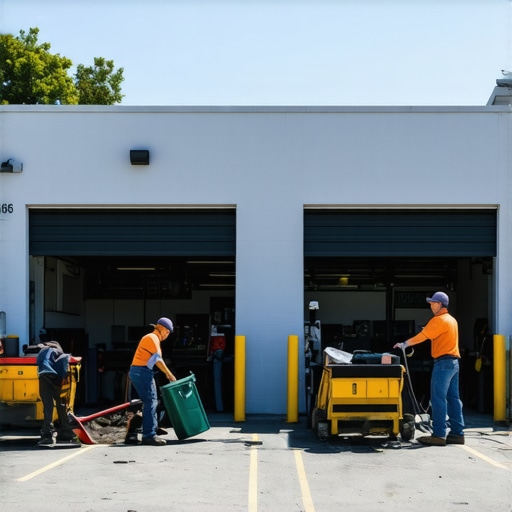
Commercial junk disposal in Aurora requires a deep understanding of municipal codes and logistical efficiency. Your storefront is your primary marketing asset, but a cluttered rear entrance invites vermin and legal fines. Professional disposal ensures that your waste enters the proper stream without creating a legal trail of liability for your business.
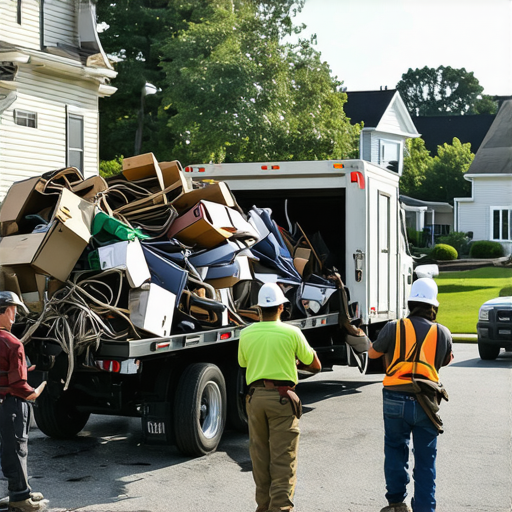
A business owner tried to save 500 dollars by hiring a guy with a pickup truck from a social media ad. Two weeks later, the police called him because his company confidential files and old storefront displays were found in a ditch near the Fox River. Your junk is your liability until it hits the certified scale at a licensed transfer station. This is the reality of the industry. When you hire an unvetted hauler, you are not just paying for a service, you are offloading a legal responsibility that most amateurs are not equipped to handle. In Aurora, the code enforcement officers do not care if you did not personally dump the items. If your name is on the invoice or the letterhead, the fine belongs to you. This is why commercial junk removal Aurora services must be bonded and insured. We see it every day. A pile of pallets becomes a fire hazard. A stack of old tires becomes a mosquito breeding ground. The logistics of keeping a storefront clean are about more than just aesthetics. They are about risk management. The physics of waste are unforgiving. A standard 15 yard truck has a specific volumetric capacity, but the weight limit is the true master. If you load that truck with wet drywall from a storefront renovation, you will hit your weight ceiling long before you hit your volume ceiling. This is where the amateurs fail. They overfill their axles, risk a DOT violation, and then dump the load illegally to avoid the high tipping fees associated with heavy loads. We operate on the principles of the Resource Conservation and Recovery Act. We know that every cubic yard of debris has a story and a destination. Whether it is furniture removal for an office upgrade or appliance removal for a restaurant closure, the path from your storefront to the recovery facility must be documented and precise.
“Waste is merely a resource in the wrong place; professional removal is the science of putting it back where it belongs.” – Disposal Industry Maxim
The math behind a clean facade
Calculating the cost of debris management involves measuring cubic yardage against the density of the materials being discarded. A storefront cleanout often involves a mix of light packaging and heavy display fixtures. Understanding the tipping fees at local Aurora facilities is essential for maintaining a predictable maintenance budget for your business.
The tetris of a truck load is a professional skill. We do not just throw items into a hopper. We stack. We break down boxes. We minimize the air gaps. Every square inch of air in a truck is money wasted. In the world of Aurora commercial junk disposal, we think in terms of density. For example, a pile of loose office chairs is a volumetric nightmare. They do not stack. They leave huge voids. A professional crew will disassemble or nest these items to ensure the truck reaches its maximum efficiency. This is the only way to keep costs down for the client. When we talk about dumpster rentals Aurora businesses often ask about the difference between a 10 yard and a 40 yard bin. A 10 yard bin is roughly the size of four pickup truck beds. It is perfect for heavy debris like concrete or dirt. A 40 yard bin is a behemoth, 22 feet long and 8 feet wide, designed for bulky, light items like furniture or cardboard. If you put concrete in a 40 yard bin, no truck in Illinois can legally pick it up. The hydraulics would scream and the tires would pop. This is the logistical zooming we apply to every job. We look at the material and we see the weight. We see the BTU potential in the wood. We see the scrap value in the aluminum frames. While most people think recycling is always better, the carbon footprint of hauling low grade plastics 500 miles often exceeds the impact of local, high efficiency waste to energy incineration. This is a contrarian reality that many green cleaners refuse to acknowledge. We focus on the shortest haul to the most appropriate facility.
| Material Type | Weight Per Cubic Yard | Primary Disposal Path |
|---|---|---|
| Loose Cardboard | 50 lbs | Recycling Center |
| Office Furniture | 250 lbs | Material Recovery Facility |
| Demolition Debris | 500 lbs | Construction Landfill |
| Concrete/Brick | 2,000 lbs | Aggregate Processing |
The hidden dangers of commercial hoarding
Hoarder clean out Aurora projects often occur in commercial basements where decades of records and outdated equipment have accumulated. These spaces present significant structural and respiratory risks. Professional removal involves identifying hazardous materials and ensuring the structural integrity of the building is not compromised during the extraction process.
I once cleared a storefront basement where the junk was not just stuff. It was a structural hazard. We found the floor joists were bowing under the weight of 40 years of newspapers that had absorbed ten years of basement humidity. The paper had turned into a solid, heavy block of cellulose. It weighed more than lead. This is the danger of the commercial hoarder. It starts with one pallet of old flyers. Then it becomes five years of tax returns. Then it is the old shelving from the 1990s renovation. In Aurora, the humidity near the river makes paper and fabric items act like sponges. They grow heavy. They grow mold. We approach these jobs with the mindset of an ethical hacker looking for a data overflow. We find the backdoor. We create a removal sequence that does not cause a collapse. We use PPE. We use air scrubbers. This is not just hauling. it is environmental remediation. When we handle garage clean outs for commercial properties, we often find the hazardous surprises that people hide. Old paint cans. Pesticides. Fluorescent tubes containing mercury. We do not just lift. We inspect. Every. Single. Item. The legal requirements for disposing of commercial hazardous waste are strict. You cannot just throw a battery in the trash. The lithium in modern devices is a fire hazard that can ignite in the back of a truck under pressure. We have seen trucks go up in flames because a customer hid a laptop in a pile of cardboard. We prevent these disasters through rigorous sorting at the point of origin.
- Wet Paint and Solvent Containers
- Lead Acid and Lithium Ion Batteries
- Propane and Compressed Gas Tanks
- Biohazardous or Medical Waste
- Fluorescent Ballasts and Mercury Switches
- Tires without Rims
“Proper waste management is the first line of defense in urban environmental health and commercial safety.” – Solid Waste Association of North America
Aurora landfill realities and the permit maze
Navigating the local disposal landscape in Aurora requires knowledge of specific transfer station rules and municipal permit requirements for dumpster placement. Whether you are on Broadway or Eola Road, the rules for blocking a public right of way are strictly enforced. Professional haulers handle the paperwork so your business stays compliant.
The narrow streets in some of the older parts of Aurora mean a 20 yard dumpster is a permit nightmare. You cannot just drop a steel box on a sidewalk. You need a live load truck. This is where we keep the engine running while we load the junk, ensuring we do not block traffic or violate city ordinances. The Aurora Transfer Station has specific hours and specific rates for different classes of waste. If you show up with a load that is not manifest correctly, they will turn you away. This costs time and fuel. We have the relationships and the accounts to move waste efficiently. We know which facilities take e waste and which ones take tires. Appliance removal is particularly sensitive because of the refrigerants. You cannot vent Freon into the atmosphere. It is a violation of federal law. We ensure that every fridge and AC unit is decommissioned by a certified technician before the metal is recycled. This is the level of detail that a storefront owner needs. You have enough to worry about with your inventory and your customers. You should not have to worry about the BTU rating of your discarded shelving or the EPA classification of your old monitors. We handle the heavy lifting and the heavy thinking. The floor snapped on a job once because the client underestimated the weight of a commercial safe. We had to use steel plates to distribute the load. That is the kind of logistical foresight we bring to every storefront in Aurora. We protect your property while we clean your space. Junk removal Aurora services are an investment in your brand and your peace of mind.
Your post highlights a critical aspect of commercial waste management that often gets overlooked until it becomes a problem. I’ve seen firsthand how improper disposal can lead not only to legal issues but also to serious safety hazards, especially with hoarder situations or hazardous materials. I particularly appreciate the emphasis on risk management and the detailed breakdown of logistics involved. In my experience managing small retail stores in Aurora, navigating the permit process for dumpsters can be quite a maze, and having an experienced hauler makes a significant difference in avoiding costly delays or violations.
One of the challenges I’ve faced is balancing eco-friendly disposal with cost-efficiency—sometimes, local incineration or recycling isn’t always the best option, depending on the waste composition. How have others in the community managed to balance these environmental considerations while keeping costs predictable? Insights or suggestions on optimizing waste strategies while complying with Aurora’s regulations are always welcome.
This post really underscores the importance of professional waste management in safeguarding your business and the environment. In my experience managing retail spaces in Aurora, I’ve seen how improper disposal not only invites legal trouble but can also damage your brand’s reputation if the back alley becomes an eyesore or safety hazard. It’s fascinating how detailed the logistics are—from understanding trucking capacity to navigating landfill regulations and hazardous waste protocols. What stands out to me is the emphasis on risk management, which is often overlooked until it’s too late. I particularly appreciate the focus on the legal responsibilities that come with hazardous items, like lithium batteries and mercury-containing fluorescent fixtures—these require meticulous handling. One question I have is how your team ensures ongoing compliance, especially when dealing with high-turnover items or unexpected hazardous waste? Do you offer regular audits or staff training to help clients stay ahead of these regulations? It seems like an investment in such proactive measures could save a lot of headaches down the line.