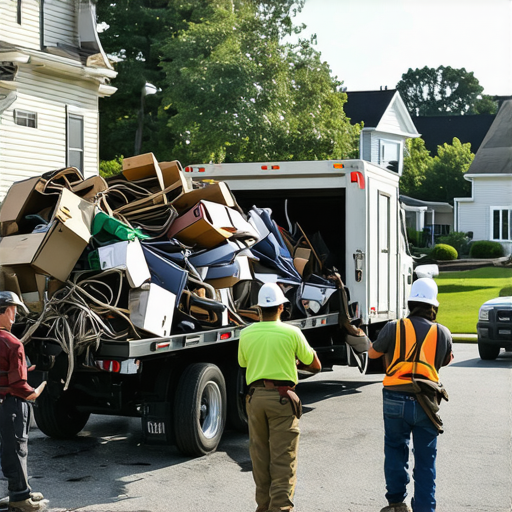

The weight of modern convenience
I have spent twenty five years watching the hydraulic rams of a rear loader crush the memories of a thousand households. My hands smell like diesel and the metallic tang of oxidized aluminum. I have calculated the volume of waste for every zip code in the region. Most people see a pile of trash and see an eyesore. I see a logistical puzzle that demands a precise diversion strategy. The reality of waste management in the modern era is shifting under our feet. A business owner tried to save five hundred dollars by hiring a guy with a pickup truck from a social media ad. Two weeks later, the police called him because his company confidential files were found in a ditch. Your junk is your liability until it hits the scale at a licensed transfer station. This is the lesson every resident needs to learn before the new regulations take effect. The era of the curbside cowboy is ending. We are entering a phase of strict material recovery and environmental accountability.
Aurora bans and the new reality of plastic
Aurora Plastic Ban 2026 mandates the elimination of single use non recyclable polymers from the municipal waste stream to increase landfill longevity. This legislation targets polystyrene and low density polyethylene that clogs sorting machinery at local recovery facilities. Residents must transition to compostable alternatives or face increased tipping fees at the gate. The physics of plastic disposal are brutal. A single cubic yard of loose plastic film weighs almost nothing but occupies massive volume in a transport trailer. This creates a logistical nightmare where trucks reach their volume capacity long before they hit their weight limit. We call this cubing out. When a truck cubes out early, the carbon footprint per ton of waste spikes. The 2026 ban is a direct response to this inefficiency. By removing these materials from the stream, we can pack more dense, recyclable material into every load headed to the Denver Arapahoe Disposal Site.
“Waste is merely a resource in the wrong place; professional removal is the science of putting it back where it belongs.” – Disposal Industry Maxim
The logistics of a massive hoarder clean out
Hoarder Clean Out Aurora projects require a structural assessment of floor joist integrity and atmospheric testing for bioaerosols before any physical labor begins. The sheer density of a hoarding environment can exceed the residential load limit of two hundred pounds per square foot. When we enter these spaces, we are not just movers. We are logistics technicians. We look for the moisture content in paper stacks. Wet newsprint can weigh three times more than dry paper. It also breeds mold that requires Level B personal protective equipment. We calculate the exit path. We measure the turn radius of hallways. If a piano is buried under a decade of household debris, we do not just pull. We excavate. We use heavy duty dollies with non marking casters to protect the subfloor. Every item is triaged. Is it hazardous. Is it e-waste. Is it a candidate for a donation center. We do not dump. We distribute. The goal is a ninety percent diversion rate from the landfill.
The heavy cost of keeping everything
Furniture removal is a game of material identification. Modern flat pack furniture is often constructed from medium density fiberboard or MDF. This material is essentially sawdust held together by urea formaldehyde resins. It has zero structural value once the veneer is breached. It cannot be recycled. It must be processed as bulk waste. Contrast this with a solid oak dresser from 1950. That piece has a high BTU potential for waste to energy conversion or can be refurbished. We see the decline of quality in every load. The floor snapped. We were moving a modern sectional and the frame made of soft pine and staples simply disintegrated. This is why our pricing reflects volume. We are charging for the space that your broken furniture occupies in our twelve yard or fifteen yard containers.
| Disposal Method | Basis of Cost | Efficiency Rating | Environmental Impact |
|---|---|---|---|
| Full Service Removal | Cubic Yardage | High | Low |
| Dumpster Rental | Tonnage + Rental Fee | Medium | Moderate |
| Municipal Bulk Pickup | Fixed Annual Fee | Low | High |
| Illegal Dumping | Legal Fines + Cleanup | Zero | Extreme |
Why your cheap hauler is a legal time bomb
Junk Removal Aurora services must carry comprehensive general liability insurance and valid motor carrier permits to shield the property owner from litigation. If an uninsured hauler drops a refrigerator on your driveway or their truck leaks hydraulic fluid into the storm drain, the homeowner is the primary responsible party. Professional waste management is about risk mitigation. We track every load. We provide a manifest that proves your waste reached a legal disposal point. We do not accept cash under the table to avoid taxes. We operate within the Resource Conservation and Recovery Act guidelines. This ensures that your old paints, oils, and chemicals do not end up in the local water table. We have seen the consequences of negligence. A small oil leak from a poorly maintained junk truck can cost thousands in soil remediation. Protect your property by demanding proof of insurance and a disposal receipt.
The physics of the fifteen yard dumpster
Dumpster Rentals Aurora residents utilize often fall into the fifteen to twenty yard category which balances physical footprint with payload capacity. A fifteen yard dumpster is usually twelve feet long, eight feet wide, and four and a half feet high. It can hold roughly the same as six pickup truck beds. But weight is the silent killer of budgets. If you fill that bin with concrete or dirt, you will exceed the six ton limit of the truck hoist. The hydraulics will groan. The tires will bulge. We have to be precise. We use dunnage, which are wooden planks placed under the dumpster rollers, to prevent the driveway from cracking under the pressure. We tell customers to load the heavy items low and flat. Do not create air pockets. Efficiency in loading saves you money on overage fees. If the lid does not close, the load is unsafe for transport. This is a DOT regulation. No exceptions.
- Lead acid batteries found in vehicles and UPS systems.
- Propane tanks and pressurized cylinders.
- Asbestos containing materials like old floor tiles.
- Fluorescent light tubes containing mercury vapor.
- Unlabeled chemical containers and liquid solvents.
- Biohazardous waste or medical sharps.
Appliance removal and the hidden chemical threat
Appliance removal involves the recovery of ozone depleting substances like R-22 or R-134a refrigerants as mandated by EPA Section 608. You cannot simply throw a fridge in a dumpster. The compressor must be tapped. The gas must be evacuated into a certified cylinder. Only then can the steel be sold for scrap. Older appliances might contain PCB capacitors. These are toxic. We handle these items with surgical precision. We know the scrap value of copper windings in a washing machine motor. We know the weight of a cast iron tub. A standard clawfoot tub can weigh four hundred pounds. Moving that down a narrow staircase requires more than muscle. It requires a rigging plan. We use high tensile straps and sleds to distribute the weight. This prevents the treads from splintering. Professional removal is as much about physics as it is about lifting.
“Proper waste management is the first line of defense in urban environmental health.” – Solid Waste Association of North America
The garage clean out as a data recovery mission
Garage Clean outs often reveal legacy e-waste that contains hazardous heavy metals like lead and cadmium which require specialized recycling protocols. We look at a stack of old monitors and see a hazard. Cathode ray tubes contain up to eight pounds of lead. If that tube breaks in a standard trash truck, it contaminates the entire load. We sort e-waste at the curb. We separate the cables for their copper content. We separate the motherboards for their gold and palladium traces. This is the backdoor of the disposal industry. We are mining the junk of the past to build the technology of the future. The Aurora Plastic Ban 2026 is just one piece of this puzzle. We are moving toward a circular economy where nothing is truly wasted. Every piece of junk has a destination. It is our job to find the most efficient path to that destination. We calculate the fuel burn. We calculate the labor hours. We calculate the tipping fee. The result is a clean space for you and a protected environment for the city.