The hazardous surprise hidden in your basement
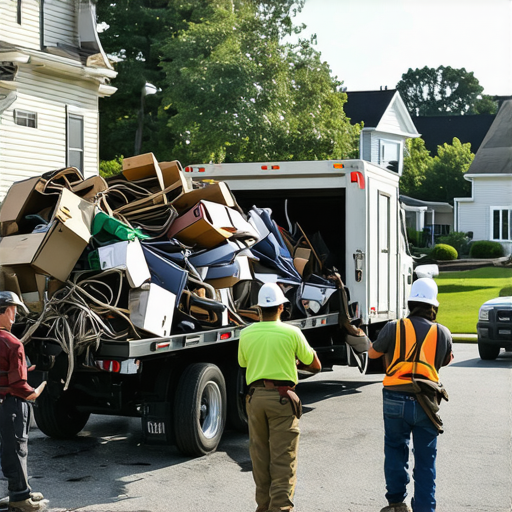
I watched a rookie almost lose his eyebrows because a customer hid a half-full propane tank inside a pile of harmless yard waste. We do not just lift, we inspect. Every. Single. Item. Most people view their old treadmill or the rusted weight bench in the corner as a simple pile of metal, but in the world of professional hauling, that treadmill is a complex logistical puzzle. It is a mix of heavy-gauge steel, high-density polyethylene, and a motor that often contains copper windings and hazardous capacitors. When we enter a home in Aurora for a garage clean out, we are not just moving objects. We are managing mass, center of gravity, and the eventual lifecycle of industrial components. The rookie learned that day that assumptions lead to accidents. Every load requires a manifest of reality. If you think your old exercise gear is just trash, you are ignoring the physics of waste management and the legalities of the local transfer station.
The graveyard of failed resolutions
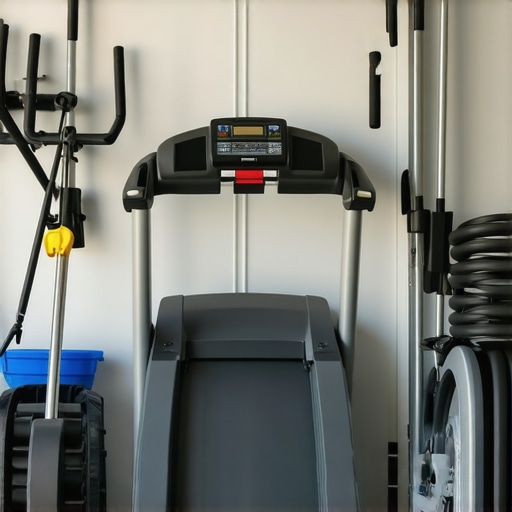
Exercise gear removal involves the disassembly, extraction, and ethical disposal of heavy metal and electronic fitness components from residential spaces. Professionals use hydraulic lifts and strategic truck loading to minimize volume and maximize recycling rates. In Aurora, this process must adhere to strict guidelines regarding e-waste and metal recovery to avoid heavy fines. The 2026 standard for junk removal Aurora residents expect focuses on high-speed removal and high-efficiency sorting. We see the treadmills that have become clothes hangers and the elliptical machines that serve as dust magnets. These items are the heaviest category of residential junk, often exceeding three hundred pounds for a single unit. A commercial-grade treadmill can easily cub out a significant portion of a 15-yard dumpster if not broken down with an angle grinder or reciprocating saw first. We look at the bolt patterns. We look at the structural integrity of the frame. If the frame is rusted from basement humidity, it becomes a snapping hazard under tension.
“Waste is merely a resource in the wrong place; professional removal is the science of putting it back where it belongs.” – Disposal Industry Maxim
The secret math of the weigh station
Disposal costs are calculated by the intersection of volume in cubic yards and the total weight of the debris on the scale. A truck enters the Aurora transfer station and rolls onto a set of heavy-duty load cells that measure the gross weight. After we tip the load, we weigh again to find the tare weight. The difference is what we pay for in tipping fees. Exercise gear is notorious for being high-density waste. A set of dumbbells might take up only two cubic feet of space but weigh four hundred pounds. This throws off the volume-to-weight ratio that most curbside cowboys fail to calculate. They quote you based on space, then get hit with a three-hundred-dollar surcharge at the scale. We calculate the density before we lift. We know that a stack of old weight plates requires a truck with reinforced leaf springs. If you ignore the weight, you blow out a tire on the E-470 or the I-88, and then your cheap removal becomes a legal nightmare.
| Material Category | Disposal Method | Recovery Potential |
|---|---|---|
| Cast Iron Weights | Scrap Metal Facility | 98% |
| Treadmill Motors | Electronic Waste Processing | 85% |
| Plastic Housing (ABS) | Polymer Recycling | 40% |
| Exercise Mats (Rubber) | Landfill or Tire Shredding | 15% |
The physical cost of the garage clean out
Garage clean outs require a tactical approach to maximize the available cubic footage of a dumpster while maintaining a clear exit path. It is not about throwing things in a pile. It is about stacking the heavy items at the front of the box near the cab of the truck to keep the weight distribution safe. In Aurora, a garage clean out often uncovers forgotten appliance removal needs, like that second fridge that died five years ago. Appliances are not just junk. They contain refrigerants like R-134a or R-600a. These chemicals are regulated under the Clean Air Act. If we find an old fridge tucked behind a rowing machine, we cannot just toss it. We have to secure the compressor. We have to ensure the doors are removed so no local wildlife or neighborhood kids get trapped. The garage is the staging ground for a logistical operation. We map the floor. We identify the pivot points. We execute the haul with zero impact on the driveway surface.
The heavy cost of keeping everything
Hoarder clean out aurora services deal with the psychological and physical accumulation of items that have lost their functional purpose. This is where the logistics of junk removal become a matter of public safety. When floor joists begin to bow under the weight of accumulated fitness equipment and household debris, the structure is compromised. We have seen floors in Aurora homes that were never meant to hold three thousand pounds of old magazines and iron weights. The structural load limit of a standard residential floor is roughly forty pounds per square foot for live loads. When a hoarder situation pushes that to a hundred pounds, the risk of a catastrophic floor failure is real. We use specialized equipment to distribute our own weight as we work. We wear respirators because exercise mats and old upholstered benches become breeding grounds for mold and bacteria when trapped in an unventilated room for a decade.
- Lead-acid batteries from electric scooters or bikes
- Unspent pressurized canisters or oxygen tanks
- Loose ammunition or industrial solvents
- Unlabeled biological waste or medical sharps
- Asbestos-containing materials from old pipe insulation
Why your cheap hauler is a legal time bomb
Hiring unlicensed junk removal services exposes the homeowner to liability if the waste is illegally dumped or if an injury occurs on the property. In the waste industry, we call them curbside cowboys. They have a beat-up pickup truck and no insurance. If they dump your old treadmill in a ditch behind the Fox Valley Mall, and the city finds your name on a piece of mail stuck in the debris, the fine belongs to you. Not them. Your junk is your liability until it hits the scale at a certified facility. We provide a receipt from the transfer station. We show you the paperwork. We follow the Resource Conservation and Recovery Act guidelines for all hazardous materials. Professional junk removal is about more than just a strong back. It is about a legal chain of custody. When we handle a furniture removal or an appliance removal, we are transferring that liability from your shoulders to our insurance policy.
“Effective solid waste management is the foundation of urban public health; failure at the point of collection leads to systemic environmental degradation.” – Solid Waste Association of North America (SWANA)
The tactical extraction of heavy iron
Furniture removal and exercise gear extraction require specialized tools like piano dollies, stair climbers, and forearm forklifts to prevent property damage. We do not just drag a treadmill down your stairs. We protect the trim. We protect the flooring. We use high-denier moving blankets to wrap the steel edges of a weight rack. The physics of a stairwell extraction are unforgiving. One slip and a two-hundred-pound piece of iron becomes a wrecking ball. We use a two-man or three-man team for any lift over one hundred fifty pounds. We communicate with clear, short commands. Lift. Pivot. Set. This is not a sport. It is a controlled industrial process. In Aurora, where many homes have tight basement entries or narrow suburban garage doors, we often have to disassemble the equipment on-site. We remove the belt. We take off the console. We turn one giant problem into ten manageable pieces. That is how you avoid a hole in the drywall.
The environmental impact of the landfill
The carbon footprint of hauling waste is minimized by using high-efficiency routing and ensuring the truck is fully cubed out before heading to the landfill. While most people think recycling is always better, the carbon footprint of hauling low-grade plastics five hundred miles often exceeds the impact of local, high-efficiency waste-to-energy incineration. In Aurora, we prioritize local scrap yards for the metal frames of your old stationary bikes. Metal is a high-value commodity. It can be melted down and repurposed with a fraction of the energy required to mine virgin ore. We do not just dump. We sort. We find the copper in the wires. We find the aluminum in the frames. We ensure that only the truly non-recyclable components, like the composite wood of some cheap weight benches, end up in the ground. The goal is a high diversion rate. We want as little as possible to sit in the Denver Regional Landfill for the next thousand years.