The illegal dumping trap and why your junk is your liability
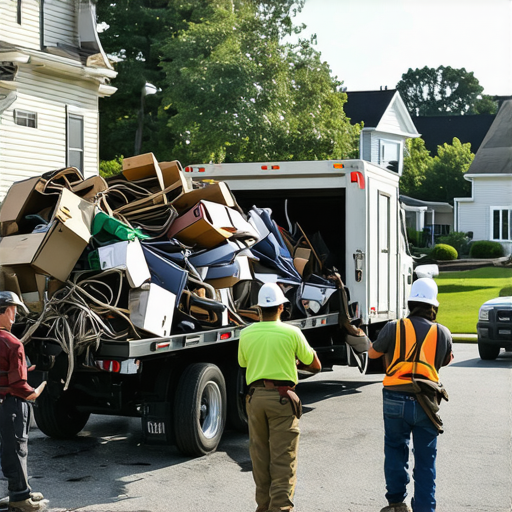
A business owner tried to save 500 dollars by hiring a guy with a pickup truck from a social media ad. Two weeks later, the police called him because his company’s confidential files and several hundred pounds of old asphalt shingles were found in a ditch near the Fox River. Your junk is your liability until it hits the scale at a certified transfer station. In Aurora, the 2026 roofing debris rules have tightened the chain of custody requirements significantly. If your name or address is found in a pile of illegally dumped construction waste, you are the one facing the municipal fine, not the fly-by-night hauler who disappeared after taking your cash. I have seen these curbside cowboys dump hazardous lead flashing and mercury-containing thermostats into general roll-off bins, risking massive environmental penalties for the homeowner. Professional waste management is not just about moving weight, it is about the legal transfer of responsibility through proper tipping manifests and weight tickets. When you rent a dumpster in Aurora, you are entering a regulatory ecosystem that demands precision. The 2026 updates require that all roofing materials be tracked from the moment they leave the rafters to the moment they are ground for asphalt recycling. This is the science of waste diversion, and it starts with knowing exactly who is hauling your load.
The physics of the 2026 roofing mandates
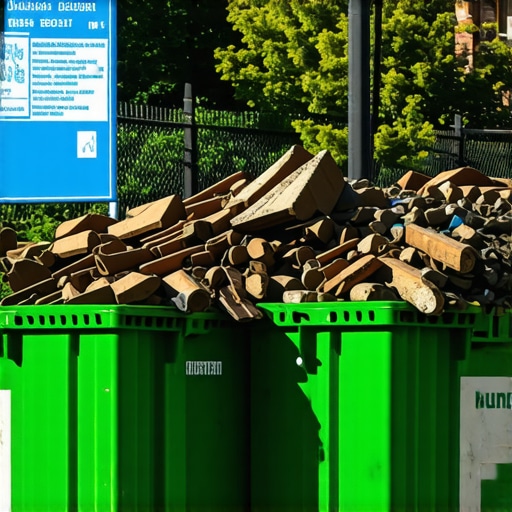
The 2026 roofing debris rules in Aurora mandate that 85 percent of all asphalt shingle waste must be diverted from landfills to specialized recycling facilities. Contractors and homeowners must use certified dumpster rentals Aurora services that provide weight-stamped receipts for every load. These rules target the heavy density of shingle waste to promote asphalt reuse in road construction. Asphalt shingles are a nightmare for the inexperienced loader. A single square of three-tab shingles weighs approximately 240 pounds. If you are stripping a 30-square roof, you are looking at over 7,000 pounds of dead weight. That is three and a half tons of petroleum-based grit, fiberglass, and bitumen. The 2026 mandates recognize that this material is a resource, not trash. By using specialized shingle-only bins, we ensure the material remains clean for processing. If you mix your garage clean outs with your roofing project, you contaminate the stream and face a contamination fee that can exceed 150 dollars per ton. The Aurora municipal code now requires a separate debris management plan for any project exceeding 2,000 square feet of roofing surface. We look at the load-bearing capacity of the driveway before we drop a 20-yard bin. A fully loaded roofing dumpster can weigh 10 tons. Without proper wooden planking underneath the rollers, that weight will crack residential concrete like a dry cracker. The logistics of the drop-off are just as vital as the disposal itself.
| Material Type | Avg. Weight per Cubic Yard | 2026 Diversion Target | Decomposition Time |
|---|---|---|---|
| Asphalt Shingles | 450 lbs | 85% | 300+ Years |
| Dimensional Lumber | 300 lbs | 75% | 15-20 Years |
| Drywall (Gypsum) | 500 lbs | 50% | 10-15 Years |
| Concrete/Masonry | 2,000 lbs | 95% | Indefinite |
“Waste is merely a resource in the wrong place; professional removal is the science of putting it back where it belongs.” – Disposal Industry Maxim
The hidden chemistry of the Aurora transfer station
The Aurora transfer station operations for 2026 prioritize the chemical segregation of construction materials to prevent groundwater leaching. Specific protocols now govern how items like pressure-treated wood, lead flashing, and adhesive-heavy roofing membranes are handled. Modern junk removal Aurora companies must document the presence of these materials to comply with regional EPA standards. When a roof comes off, it is not just shingles. You have galvanized nails, copper valley flashing, and often old cedar shakes buried under two layers of modern material. The chemical makeup of these items matters. Pressure-treated wood from old dormer repairs contains chromated copper arsenate. If that ends up in a mulch pile, you are spreading poison. The 2026 rules have increased the frequency of load inspections at the gate. My crews are trained to spot the difference between clean lumber and chemically treated wood before it ever hits the truck. We call this source-point separation. It is the only way to avoid the massive surcharges that Aurora landfills now levy against mixed construction loads. If we find a single lead boot from a plumbing vent hidden in a shingle bin, the entire load is classified as contaminated construction and demolition waste. The cost of disposal triples instantly. This is why we insist on a visual inspection of the material before the final tarping of the container. We are not just haulers, we are environmental technicians who understand the molecular legacy of your renovation project.
Managing the hoarder clean out aurora
A hoarder clean out aurora project requires a phased logistical approach to handle high-density biological and structural waste safely. These clean outs often involve the removal of degraded furniture, massive volumes of paper, and potential biohazards under the 2026 health and safety guidelines. Success depends on calculating the total cubic yardage versus the weight capacity of the hauling fleet. I have walked into homes where the sheer volume of material had compromised the structural integrity of the floor joists. In one case, 40 years of newspapers had absorbed basement humidity, turning into a dense, moldy mass that weighed four times more than dry paper. For a hoarder clean out aurora, we do not just toss things in a bin. We categorize. We look for the data overflow. We find the backdoor logistics to get the weight out without collapsing a porch or a staircase. We often use 15-yard dumpsters instead of 30-yarders for these jobs. Why? Because 30 cubic yards of wet magazines will blow past the legal weight limit of a tandem-axle truck before the bin is even half full. You cannot haul a truck that is over-grossed without risking a massive DOT fine or, worse, a brake failure on a steep Aurora residential street. We manage the tetris of the load to ensure every square inch of the truck is utilized without exceeding the hydraulic lift capacity. It is a balancing act between volume and mass that only decades of experience can master.
“Landfills are not bottomless pits but finite volumes that require rigorous management to protect public health and the environment.” – Solid Waste Association of North America
Appliance removal and the Freon trap
Appliance removal in Aurora is strictly governed by the Clean Air Act, which prohibits the venting of refrigerants like Freon into the atmosphere. Proper disposal involves certified recovery of gases from refrigerators, freezers, and air conditioners before the metal can be scrapped. Modern junk removal services must provide proof of evacuation for every cooling unit handled. You cannot just throw a fridge in a dumpster and call it a day. If you do, and that compressor ruptures during the dump, you have committed a federal offense. Our team treats appliance removal as a hazmat operation. We check the seals. We check the year of manufacture. Older units in Aurora homes often contain R-12 or R-22 refrigerants, which have high ozone-depleting potential. The scrap value of the steel and copper in an appliance is negligible compared to the potential fines for improper venting. We also deal with the heavy cost of logistics for these items. A vintage cast-iron stove can weigh 500 pounds and requires specialized dollies and a lift-gate truck. We do not let rookies handle these. One slip on a basement stair and you are looking at a crushed foot and a lawsuit. We use the right leverage and the right equipment to ensure the appliance is neutralized and removed without damaging the property or the environment. It is about the physics of the move and the chemistry of the coolant.
Garage clean outs and the density problem
Garage clean outs in Aurora often reveal a dangerous mix of volatile liquids, heavy metals, and general household debris that require careful sorting. The 2026 waste rules prohibit the inclusion of paints, oils, and batteries in standard dumpster rentals. Effective garage clearing requires a strategy for separating hazardous materials from recyclable metals and landfill waste. People treat garages like a purgatory for things they do not know how to fix or throw away. We find old car batteries leaking sulfuric acid onto the concrete. We find half-full cans of oil-based paint that are a fire hazard inside a pressurized garbage truck. When we perform garage clean outs, the first step is the hazmat sweep. We pull out the chemicals and set them aside for specialized municipal drop-off days. Then we look at the density. A garage full of old tires is a logistical headache because landfills charge a per-tire fee and many refuse to take them at all because they trap methane gas and float to the surface of the landfill cell. We handle the furniture removal aspects by breaking down items into their base components. A sofa is a mix of wood, metal springs, and polyurethane foam. If we can strip it, we reduce the volume and the cost. The goal is to maximize the cubic-yard density while keeping the load legal. A poorly packed dumpster is just a container full of expensive air. We pack it tight, we pack it right, and we make sure nothing is hidden that could cause a fire or a spill.
- Lead-acid batteries and lithium-ion cells
- Wet paint, solvents, and thinners
- Propane tanks and pressurized cylinders
- Asbestos-containing siding or insulation
- Biohazardous waste and medical sharps
- Fluorescent ballast and mercury switches
- Industrial chemicals and pesticides
The 2026 shingle recycling protocol
The 2026 shingle recycling protocol in Aurora requires that all roofing contractors separate asphalt shingles from other roofing materials like wood shakes or metal flashing. This separation allows the shingles to be processed into Hot Mix Asphalt for local road projects. Failure to comply results in the entire load being rejected by the recycling center and diverted to a high-cost landfill. This is the core of the new Aurora waste economy. By turning old roofs into new roads, we reduce the demand for virgin petroleum products. But this process is sensitive to contamination. If a worker tosses a plastic lunch bag or a handful of plastic cap nails into the shingle bin, the recycler might reject the whole ten-ton load. I tell my crews to be ruthless. We monitor the job site. We make sure the dumpster rental Aurora homeowners are using is clearly labeled. The 2026 rules have also changed the tipping fee structure. Clean shingle loads are tipped at a lower rate than mixed construction debris, providing a financial incentive for being organized. It is a logistical win for the contractor and a win for the taxpayer. We are moving toward a circular economy where the concept of junk is replaced by the concept of feedstock. Every roofing project in Aurora is now a mining operation for asphalt. We are the miners, and the dumpster is our transport. We take this seriously because the environmental stakes are high and the legal consequences of failure are even higher. Your roofing debris is a resource, and we treat it with the technical respect it deserves.{“@context”:”https://schema.org”,”@type”:”Article”,”headline”:”Dumpster Rentals Aurora: 2026 Roofing Debris Rules”,”author”:{“@type”:”Person”,”name”:”Veteran Waste Management Strategist”},”description”:”Expert guide on Aurora’s 2026 roofing debris regulations, junk removal logistics, and environmental compliance for homeowners and contractors.”,”articleSection”:”Waste Management and Recycling”}