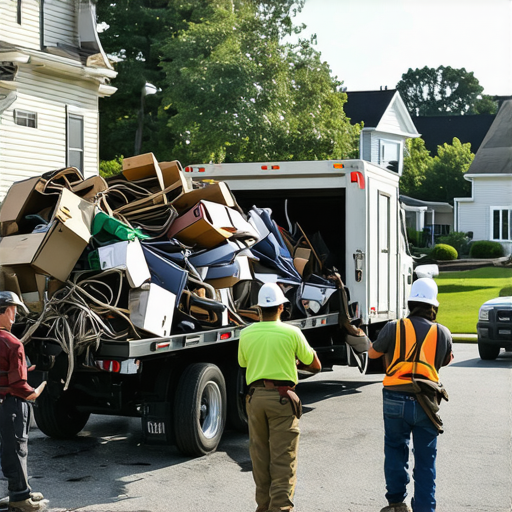

Hoarder Clean Out Aurora: 5 Items You Should Toss Today
I once cleared a house where the junk was not just stuff. It was a structural hazard. We found the floor joists were bowing under the weight of 40 years of newspapers that had absorbed ten years of basement humidity. The air smelled of wet cellulose and rot. Every step was a gamble. The floor snapped. We had to reinforce the subfloor with plywood just to get the 15 yard dumpsters filled without the crew falling through to the crawlspace. This is the reality of waste management in Aurora. It is not about tidying up. It is about mitigating a logistical disaster before the building inspector condemns the property. When we talk about junk removal in Aurora, we are talking about the physics of weight, the chemistry of decay, and the legal liabilities of hoarding.
The heavy cost of keeping everything
Hoarder Clean Out Aurora projects require professional junk removal services to manage structural hazards, biohazard disposal, and volumetric truck loading. Effective waste management in Kane County involves identifying high-density debris like saturated paper and broken furniture to prevent floor joist failure and fire hazards. The logistical burden is massive. You are looking at a house that has essentially become a landfill with walls. In Aurora, the proximity to the Fox Valley means humidity levels often reach 70 percent in summer. This moisture turns a stack of magazines into a solid block of moldy concrete. My crew looks at a room and calculates the cubic yardage vs. the weight limit of our axles. If we miscalculate, we blow a tire or get a ticket at the scale. The weight of your past is literally weighing down your foundation. Every day you wait, the moisture content of your hoard increases. This adds weight. It adds cost. It adds danger. We use 15 yard trucks because they offer the best balance of maneuverability in narrow Aurora driveways and capacity for heavy debris. A 30 yard dumpster is useless if the soil is too soft to support the delivery truck. We see these errors every week. Curbside cowboys will tell you they can take it all for a flat fee. They are lying. They do not account for the tipping fees at the Orchard Hills Landfill. They will dump your life in a ditch. You need a strategist, not just a guy with a truck.
“Waste is merely a resource in the wrong place; professional removal is the science of putting it back where it belongs.” – Disposal Industry Maxim
Dead newspapers and the structural weight of time
Saturated paper waste creates extreme static loads that exceed residential building codes in Aurora, Illinois. To prevent structural collapse, junk removal experts prioritize the removal of magazines and bundled newspapers using high-capacity dumpsters and weight-rated floor protection. Paper has a density of approximately 1,200 pounds per cubic yard when loosely packed. When compressed by its own weight and infused with humidity, that number doubles. A standard living room filled to the waist with newspapers can easily weigh 10,000 pounds. That is the weight of two full-sized pickup trucks sitting on your floor joists. These joists were designed for 40 pounds per square foot, not 400. This is item number one on the hit list. Toss it. The ink contains petroleum distillates that off-gas over time. This creates a respiratory hazard for anyone in the home. In Aurora, we have seen homes where the front door could not be opened because of the paper drift. We have to enter through windows. We use heavy duty skids to move these piles. If you are doing this yourself, stop. You are risking a spinal injury. The sheer volume of paper also provides a perfect nesting ground for German cockroaches and silverfish. These pests eat the glue in the bindings. You are not keeping a library. You are keeping a pest hotel. We take these loads directly to the recycling centers that can handle bulk fiber, assuming they are not contaminated by mold. If there is mold, it goes to the landfill as municipal solid waste. This is the first step in reclaiming the structural integrity of the home.
The chemical ghost in the garage
Hazardous household waste including lead-acid batteries, old paint, and pesticides requires specialized disposal at Aurora waste transfer stations. Identifying RCRA regulated materials during a garage clean out is critical to avoid environmental contamination and legal liability for the homeowner. Most people think their garage is just full of old stuff. I see a hazmat site. We find old cans of lead-based paint from the 1970s. We find degreasers that have corroded through their metal tins. We find pool chemicals that, if mixed with a little moisture, can ignite. This is why you must toss the liquids today. In Aurora, the city offers specific household hazardous waste days. Use them. If we find these items during a junk removal job, we have to isolate them. We cannot just throw a car battery into the back of a hydraulic crusher. The acid will eat the seals. The lead will contaminate the entire load. This makes the load hazardous, which triples the tipping fee. While most people think recycling is always better, the carbon footprint of hauling low-grade plastics 500 miles often exceeds the impact of local, high-efficiency waste-to-energy incineration. However, chemicals are different. They leach into the groundwater. If you live near the Fox River, your leaking motor oil is a direct threat to the local ecosystem. We inspect every bottle. If the label is gone, we treat it as an unknown toxic substance. This is the logistics of safety. Your garage is not a storage unit. It is a potential chemical fire. The heat in an Aurora summer can cause pressurized cans to fail. Toss them before they explode.
Broken appliances and the myth of repair
Appliance removal in Aurora focuses on CFC recovery, heavy metal recycling, and space optimization within roll-off dumpsters. Removing non-functional refrigerators and washing machines eliminates vector breeding grounds and reduces clutter density in hoarding environments. People keep old fridges because they think they will fix them. They won’t. These machines use R-12 or R-22 refrigerants which are ozone-depleting substances. Under Section 608 of the Clean Air Act, these must be recovered by a certified technician. You cannot just cut the lines. We see fridges from the 1980s that have become mausoleums for rotten food. The smell is a biohazard. The weight is another issue. A cast iron tub or an old washing machine is a dead weight that limits how much other junk we can put in the truck. We call this cubing out. If we put three heavy appliances in a truck, we reach our weight limit before the truck is half full. That is wasted air space. Wasted air space is wasted money. In Aurora, we prioritize getting these items to scrap metal processors. They strip the copper, the steel, and the aluminum. This is one of the few areas where junk removal actually feeds back into the circular economy. But you have to let go. That dishwasher with the broken pump has been sitting there for five years. The seals have dried out. The motor is seized. It is not an asset. It is a liability. It is taking up four square feet of floor space that could be used for living. We use specialized appliance dollies to move these. One wrong move on a basement staircase and you have a 300 pound steel box pinning you to the wall. Let the professionals handle the heavy lifting.
| Debris Type | Cubic Yard Weight (lbs) | Disposal Priority | Environmental Risk |
|---|---|---|---|
| Loose Household Junk | 250 – 300 | Medium | Low |
| Wet Newspaper/Books | 1,200 – 1,500 | Critical | High (Structural) |
| Construction Debris | 1,800 – 2,400 | Low | Medium |
| E-Waste (Monitors) | 400 – 600 | High | High (Toxins) |
| Yard Waste | 300 – 500 | Medium | Fire Hazard |
Contaminated textiles and the moth infestation reality
Textile disposal involves the removal of moth-infested clothing, mold-damaged rugs, and contaminated upholstery to restore indoor air quality in Aurora homes. Professional hoarder clean outs treat saturated fabrics as biohazard waste to prevent the spread of allergens and vermin. Fabric is a sponge. It absorbs smoke, moisture, pet dander, and human skin cells. In a hoarding situation, textiles are often the most voluminous items. They create soft piles that hide sharper objects underneath. This is a safety nightmare for my crew. We have to wear puncture-resistant gloves because you never know if there is a broken glass or a needle buried in a pile of old coats. These clothes are rarely salvageable. If they have been sitting in a damp Aurora basement, they are full of fungal spores. You cannot wash out that level of rot. We bag these items immediately to prevent spores from becoming airborne. This is about air quality. When you walk into a hoarder’s home and your throat gets scratchy, that is the textiles talking. They are releasing particles every time you step on them. We also deal with the moth factor. We have cleared houses where the walls seemed to move because of the insect activity in the wool rugs. These pests will migrate to your neighbor’s house. You have a moral obligation to clear this out. We use high-denier poly bags to seal the textiles before they even hit the truck. This prevents cross-contamination. Don’t donate these. If you wouldn’t give it to your mother, don’t give it to a charity. Toss it.
“Modern waste management is a battle against entropy; the longer you wait, the more expensive the victory becomes.” – Solid Waste Association of North America (SWANA) Guide
Hazardous leftovers in the pantry of the past
Expired food removal is a sanitation requirement during Aurora hoarder clean outs to eliminate rodent attractants and pathogen risks. Efficient junk removal strategies include bulk disposal of canned goods and dry storage items to mitigate foul odors and pest infestations. I have seen cans from the 1990s that have rusted through. The contents have fermented and pressurized the cans until they burst. This creates a black sludge that attracts every rat in the zip code. If you are cleaning out a kitchen in Aurora, the pantry is your biggest enemy. It is not just about the smell. It is about the bacteria. Botulism is real. We treat old food as a category 3 biohazard in extreme cases. The weight of canned goods also adds up. A shelf full of glass jars is heavy and dangerous if it collapses. We use heavy duty bins to clear these areas. We do not sort them. If it is expired, it goes in the trash. There is no middle ground here. We have seen people try to save the jars. The time and energy required to clean a jar of 20 year old peaches is worth more than the jar itself. This is the logic of the logistics manager. Your time is a resource. Do not waste it on garbage. We take these loads to the transfer station where they are processed for energy recovery or landfilling. The goal is to get the organic matter out of the house. Once the food is gone, the rodent population will dissipate. This is the first step in making the home habitable again.
Logistics of the Aurora cleanup
Dumpster rentals in Aurora must account for municipal permit regulations, weight limits, and driveway protection. Choosing between full-service junk removal and self-service dumpster rental depends on the volume of debris and the physical capability of the cleanup crew. In Aurora, the streets are often narrow, especially in the older neighborhoods near downtown. You cannot just drop a 40 yard bin on the street without a permit from the city. If you do, you will get a fine before the sun goes down. We prefer the live load. We bring our truck, we load it in two hours, and we leave. This avoids the permit headache. It also prevents neighbors from throwing their own trash into your rented dumpster. We see that all the time. You pay for a bin, and by morning, it is full of someone else’s old sofa. Our trucks are monitored by GPS and we weigh in and out at the transfer station. This ensures you only pay for what we actually haul. We also use wood blocks under our stabilizers to protect your asphalt. The heat in an Illinois summer can make your driveway soft. A heavy truck will leave permanent ruts. We think about these things because we are professionals. We are not just movers; we are waste strategists. We calculate the turn radius of every driveway before we arrive. We know which landfills are closed on holidays and which ones have the lowest tipping fees for specific materials. This is how you save money on a massive clean out. You hire the expertise, not the muscle.
- Lead-acid batteries and car parts (hazmat)
- Propane tanks and pressurized cylinders
- Asbestos-containing materials (requires abatement)
- Medical waste and sharps (biohazard protocol)
- Explosives and ammunition
- Industrial chemicals and unknown liquids